
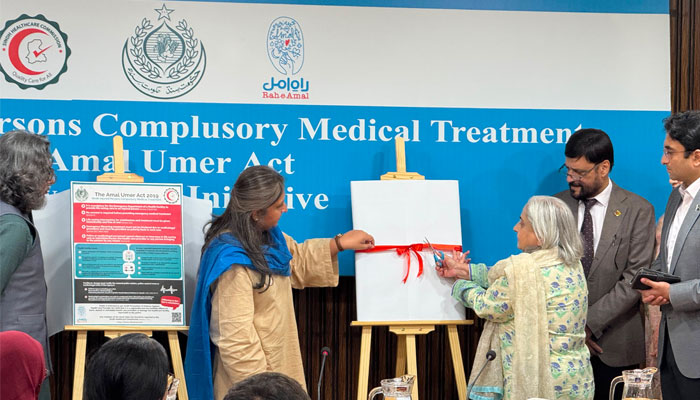
KARACHI: Rah-e-Amal Trust, in collaboration with the Government of Sindh and the Sindh Healthcare Commission (SHCC), has launched a province-wide awareness campaign to ensure effective implementation of the Sindh Injured Persons Compulsory Medical Treatment (Aamil Umar) Act, 2019.
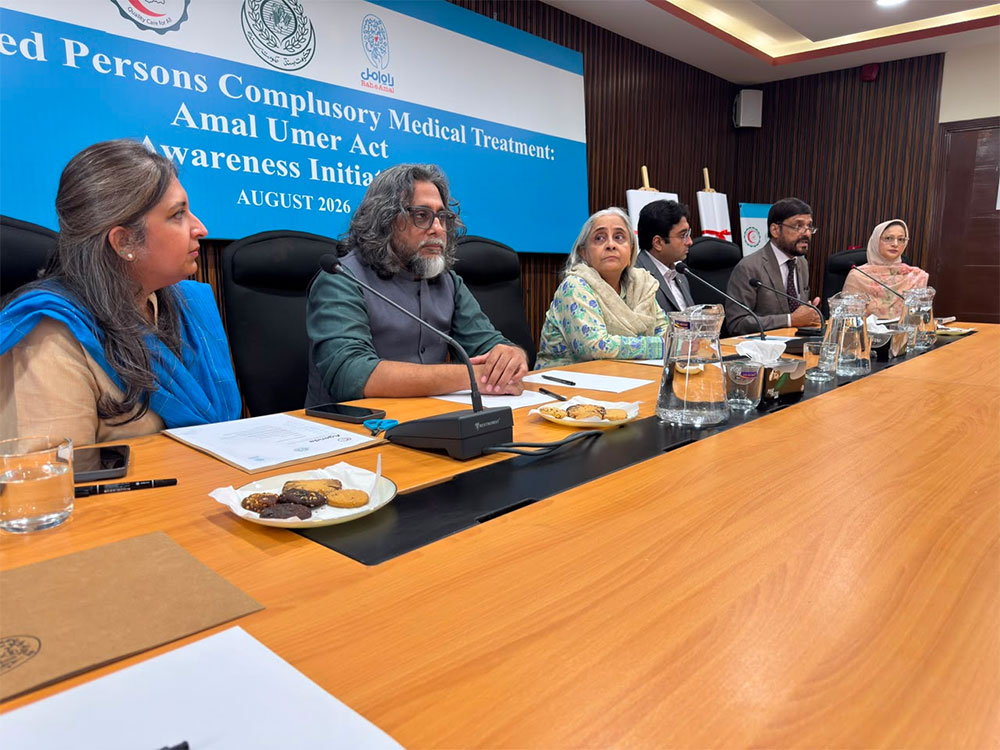
The campaign, carrying the message “Treatment First, Questions Later,” aims to educate public and private hospitals about their legal obligation to provide immediate medical treatment to people injured in violence, accidents or disasters without demanding advance payment or delaying care because of medico-legal formalities.
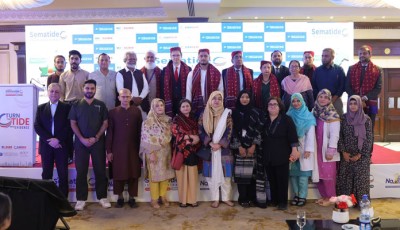
Sindh Minister for Health and Population Welfare Dr Azra Fazal Pechuho attended the launch ceremony as chief guest. Representatives of public and private hospitals participating in the event pledged to comply with the law, while awareness sessions will be conducted at hospitals across Sindh in phases.
The Aamil Umar Act was enacted following the tragic death of 10-year-old Aamil Umar, who was injured by a bullet fired during mistaken police firing while sitting in her family’s car in Karachi eight years ago. The nearest private hospital allegedly refused to provide her immediate treatment, and she could not survive.
Speaking at the ceremony, Dr Azra Fazal Pechuho said every hospital in Sindh was legally bound to comply with the Aamil Umar Act and that the provincial government stood firmly behind its implementation.
“Today’s launch is an important step towards bridging the gap between the law and its implementation. I commend Rah-e-Amal Trust for ensuring that this gap is not allowed to persist,” she said.
The health minister said several complementary laws and regulatory requirements supported the Aamil Umar Act, with the common objective of ensuring that life-saving emergency care was provided without delay.
She said the long-standing misconception that hospitals should not receive medico-legal cases must end, as the first responsibility of every healthcare facility was to stabilise and treat the patient.
Dr Pechuho said teaching hospitals were required to comply with Pakistan Medical and Dental Council regulations, including the allocation of 35 per cent of beds for welfare purposes. She added that every public and private healthcare facility must obtain a valid licence and comply with all applicable laws and standards.
“These responsibilities provide a strong framework for timely, lawful and accountable emergency treatment,” she said.
SHCC Chief Executive Officer Dr Ehsan Qavi said the law required every hospital in Sindh to provide immediate treatment to victims of violence, accidents and disasters without demanding advance payment.
He said mechanisms were available to hospitals for recovering treatment costs afterward. The SHCC had the authority to monitor and enforce compliance with the law, which also contained provisions to address and protect the legitimate concerns of hospital staff.
The organisers said the campaign would help improve awareness among hospital administrations and medical staff and ensure that no critically injured patient was denied or delayed emergency treatment because of financial demands or procedural formalities.