
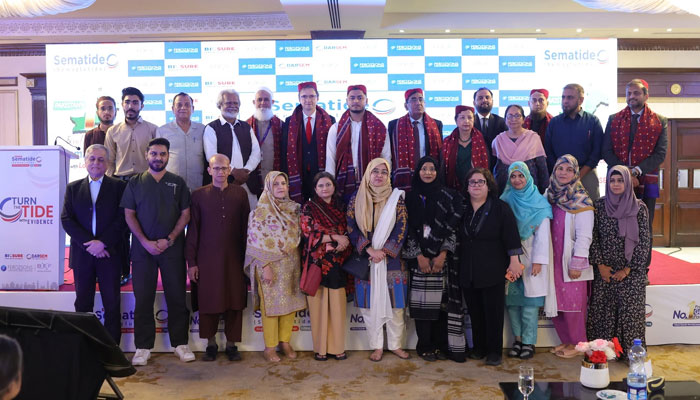
KARACHI: Leading national and international diabetes experts have emphasized the importance of comprehensive, individualized and evidence-based metabolic care during Ramadan, highlighting the growing burden of diabetes and the need for effective treatment strategies to ensure better patient outcomes.
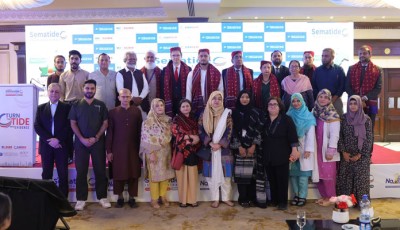
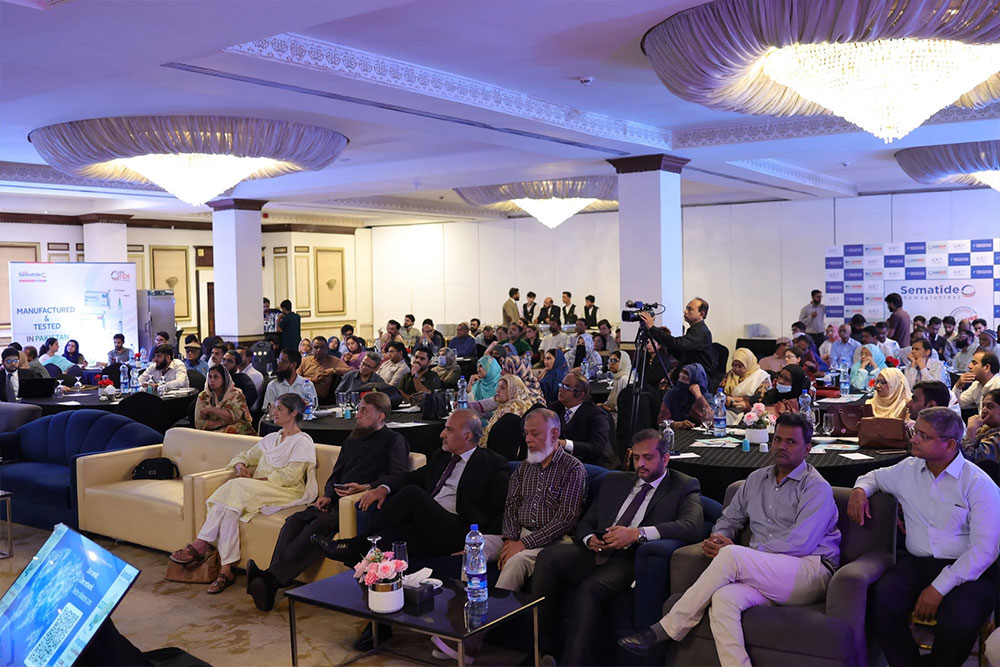
The experts expressed these views during a scientific session titled “A Pathway to Comprehensive Metabolic Care in Ramadan with Semaglutide,” held at Pearl Continental Hotel, Karachi, with the participation of prominent endocrinologists, diabetologists, physicians and healthcare professionals.
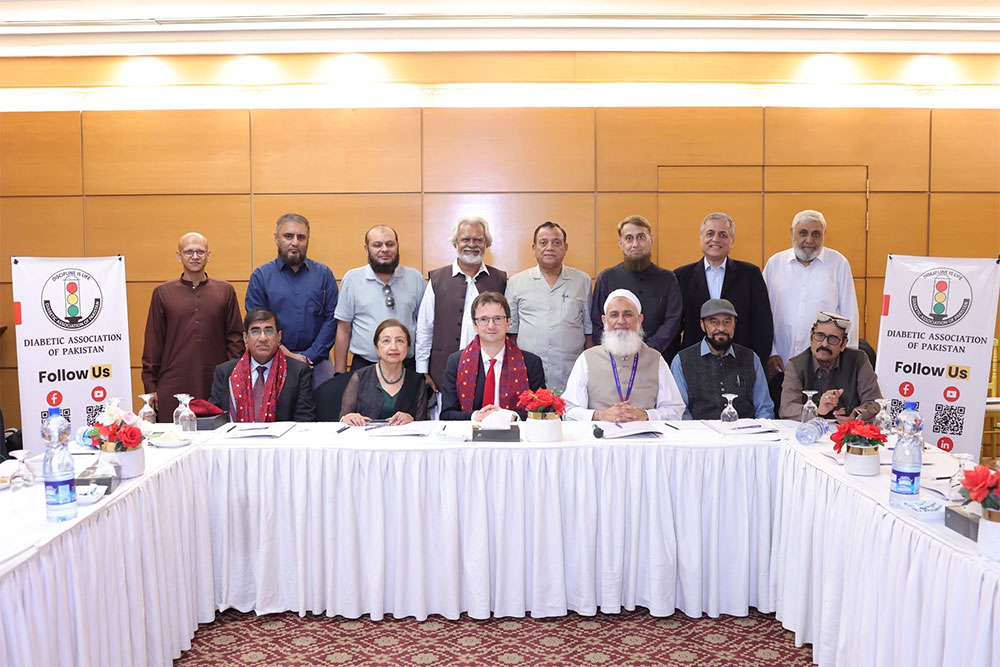
The scientific programme was organized with the support of the Diabetic Association of Pakistan (DAP) and DARSEM, in collaboration with Ferozsons Laboratories Limited, to promote professional education and scientific discussion on contemporary approaches to diabetes and metabolic management.
The session was moderated by renowned diabetes expert Prof. Zaman Sheikh, who facilitated discussions on the clinical challenges associated with managing diabetes during Ramadan and the importance of adopting patient-centred treatment approaches.
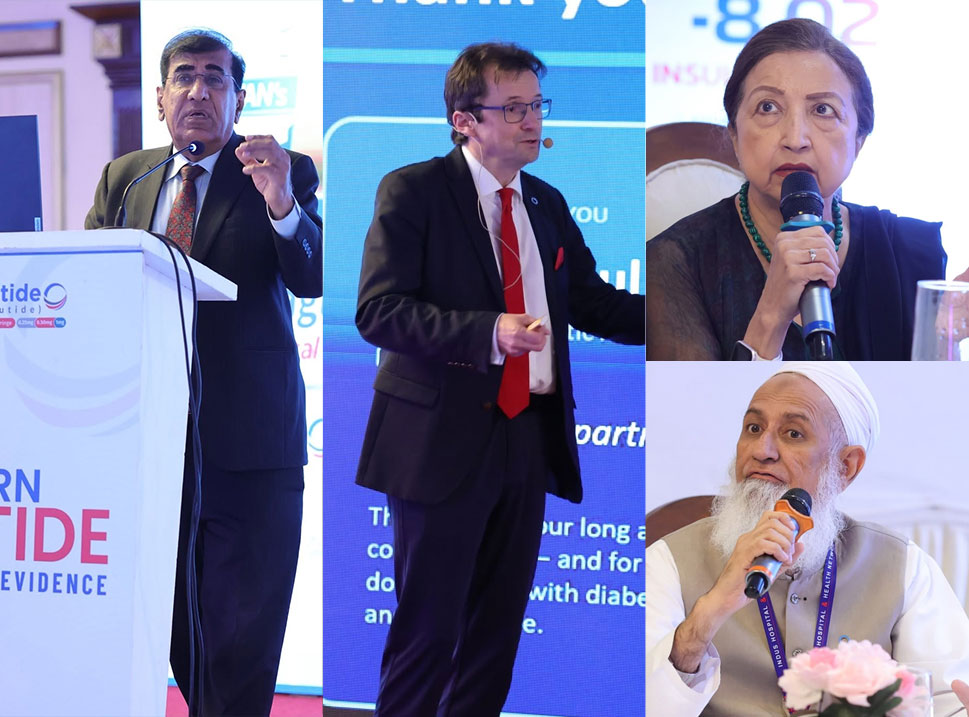
Addressing the gathering, Prof. Peter Schwarz, President of the International Diabetes Federation (IDF), highlighted the increasing global burden of diabetes and stressed the urgent need for coordinated, evidence-based interventions to improve diabetes prevention, treatment and long-term metabolic health.
He emphasized that effective diabetes management requires a comprehensive approach involving appropriate medication, lifestyle modifications, regular monitoring and individualized treatment planning.
Prof. Arshad Hussain, Professor of Medicine and Endocrinology at Northwest School of Medicine, Peshawar, delivered a scientific presentation on practical pathways for comprehensive metabolic care during Ramadan, focusing on the evolving clinical role of semaglutide.
His presentation highlighted the importance of carefully assessing individual patient needs, treatment suitability and metabolic risk factors when developing diabetes management strategies for people observing Ramadan fasting.
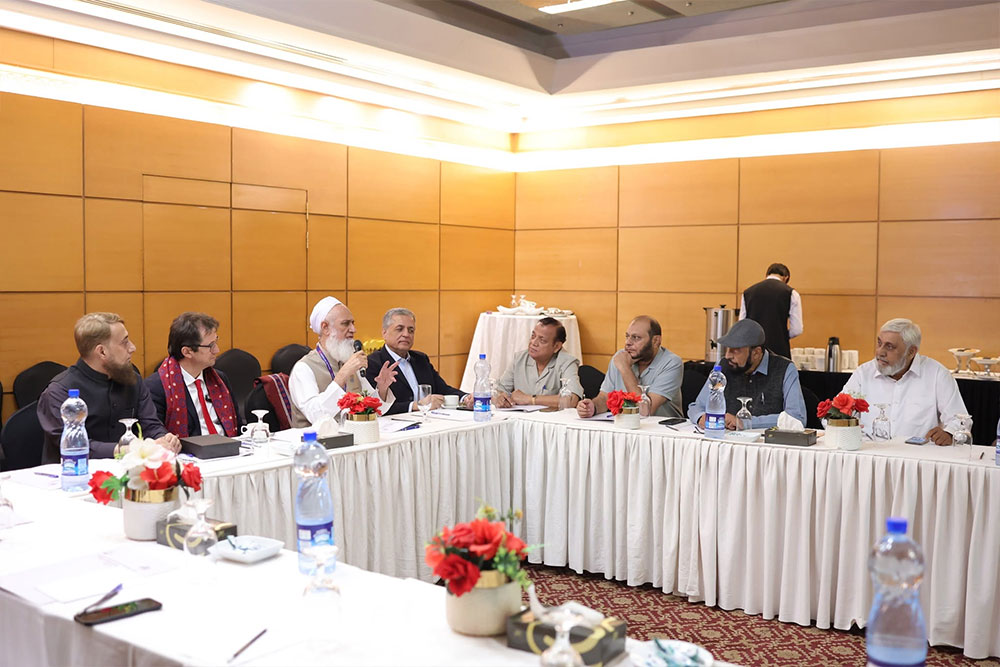
An expert panel comprising Prof. Najmul Islam, Prof. Abdul Basit, Prof. Peter Schwarz, Prof. Yakoob Ahmedani, Dr. Aisha Sheikh, Dr. Qamar Masood and Ms. Erum Ghafoor shared their clinical perspectives on diabetes management, metabolic health and the importance of evidence-based therapeutic interventions.
The panelists underscored the need for individualized patient assessment, appropriate medication selection, nutritional guidance, regular glucose monitoring and close medical supervision to minimize health risks associated with fasting among people living with diabetes.
The discussion also focused on the evolving role of semaglutide in comprehensive metabolic management and the importance of making treatment decisions according to clinical evidence, individual patient characteristics and established medical guidelines.
Experts emphasized that people with diabetes intending to fast during Ramadan should undergo appropriate medical assessment and receive professional guidance regarding medication adjustments, dietary practices, glucose monitoring and potential complications.
The participants agreed that continuing medical education, scientific collaboration and greater awareness among healthcare professionals are essential for improving diabetes care and addressing the growing burden of metabolic disorders in Pakistan.
The session provided a valuable platform for exchanging clinical knowledge, reviewing contemporary treatment approaches and strengthening professional collaboration among national and international healthcare experts.
The scientific programme concluded with a vote of thanks by Prof. Shabeen Naz, who acknowledged the contributions of distinguished speakers, panelists, organizers and participating healthcare professionals.
The event was followed by lunch and professional networking among participants.