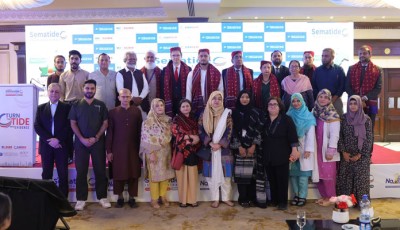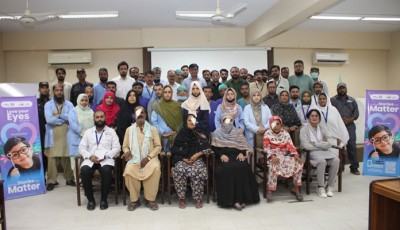

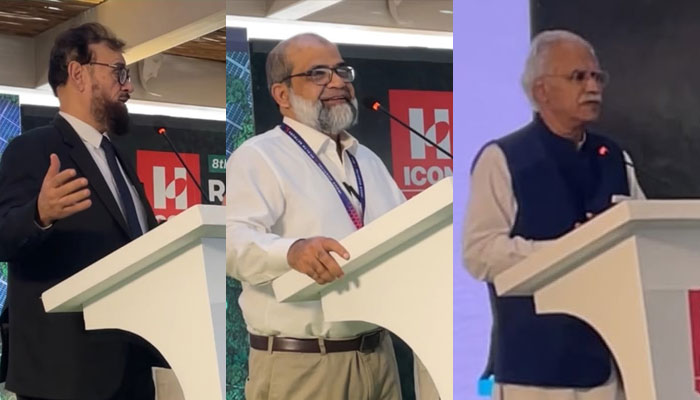
KARACHI: The Indus Hospital & Health Network (IHHN), in collaboration with the Indus University of Health Sciences (IUHS), inaugurated its 8th Biennial Conference (ICON 2026) at the IHHN Korangi Campus in Karachi on Thursday, bringing together leading national and international healthcare experts, researchers and policymakers to discuss the growing impact of climate change on healthcare systems and the urgent need for sustainable, patient-centered medical services.

The conference, being held under the theme "Resilient Care, Sustainable Future: Bridging Climate Action and Patient-Centered Healthcare," marks the beginning of ten days of academic, clinical and policy discussions across Pakistan, focusing on strengthening healthcare infrastructure, improving patient care and addressing emerging environmental and public health challenges.
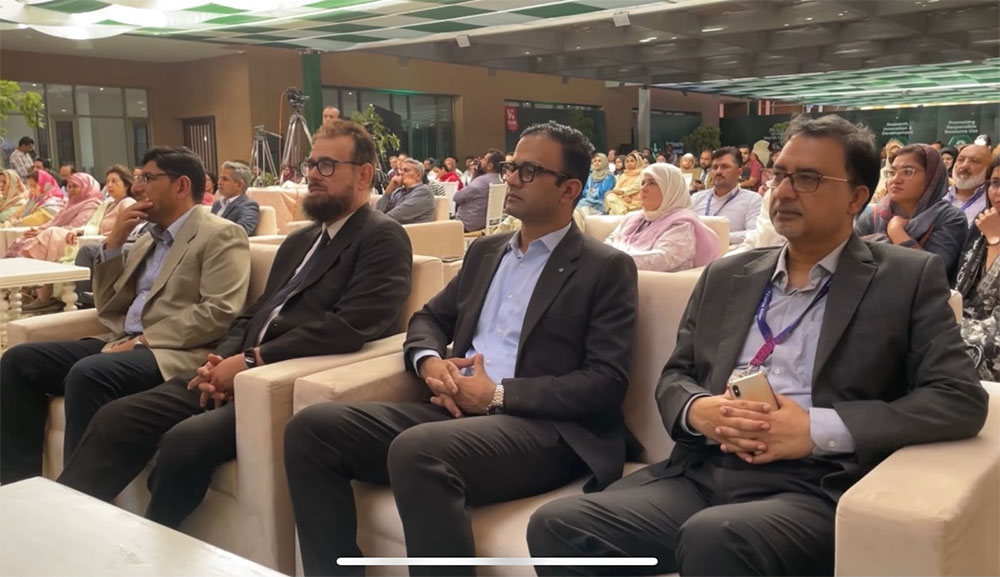
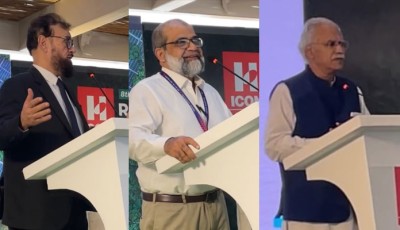
Addressing the inaugural ceremony, Dr. Syed Ahmer Hamid, Chairman of the ICON 2026 Organizing Committee, highlighted the increasing vulnerability of healthcare infrastructure to climate change. Referring to Karachi's devastating heatwaves and their impact on hospitals and emergency services, he emphasized the importance of developing climate-resilient, human-centered healthcare environments through coordinated interdisciplinary efforts.
Dr. Abdul Bari Khan, President and Chief Executive Officer of IHHN, stressed that environmental sustainability must become an integral component of healthcare planning and institutional strategies.
He said healthcare institutions must work collectively to establish an efficient and sustainable health system capable of providing free, high-quality medical services to every citizen, particularly vulnerable and underserved communities.
Delivering the keynote address, former Federal Minister for Health and former World Health Organization Director Dr. Zafar Mirza underscored the urgent need to develop climate-ready healthcare systems capable of responding effectively to environmental emergencies while ensuring uninterrupted access to essential medical services.
He emphasized that climate change poses serious challenges to public health, making it necessary for healthcare institutions and policymakers to adopt sustainable approaches that safeguard universal health coverage.
Chief Guest Professor Tariq Rafi, Chairman of the Higher Education Commission Sindh, called for stronger collaboration among healthcare institutions, academic organizations and policymakers to reform Pakistan's healthcare system.
He particularly emphasized the need to upgrade rural healthcare infrastructure and improve access to quality medical facilities for populations living in remote and underserved areas.
Appreciating the contributions of IHHN and Dr. Abdul Bari Khan toward providing free healthcare services, Professor Tariq Rafi said that healthcare professionals and institutions have a collective responsibility to improve people's lives.
He observed that a significant proportion of Pakistan's population continues to face poverty and limited access to essential services, adding that the country possesses the potential and professional expertise required to transform its healthcare system and create a more equitable society.
Chairman of the IHHN Board of Directors Abdul Karim Paracha attended the ceremony as Guest of Honor, while Dr. Syed Zafar Zaidi, Dean of IUHS, presented the formal vote of thanks.
The organizers said ICON 2026 represents the culmination of a year-long academic initiative during which more than 100 pre-conference workshops and symposia were organized across Pakistan to promote professional development, medical education and scientific collaboration.
The conference will feature more than 50 scientific sessions, plenary discussions and research poster presentations covering important developments in modern medicine and healthcare delivery.
Major subjects include artificial intelligence in medicine, climate-resilient trauma care, living-donor organ transplantation, pediatric neuro-oncology and innovative approaches to strengthening healthcare systems against environmental challenges.
Prominent international participants include Dr. Peter Schwartz, President of the International Diabetes Federation, Germany, and Dr. Naweed Imam Syed of the University of Calgary, Canada, along with leading Pakistani medical specialists, researchers and healthcare professionals.
According to the conference schedule, scientific and academic activities will extend beyond Karachi to other IHHN facilities across the country.
Following the Karachi proceedings, conference activities will continue at the Recep Tayyip Erdogan Hospital Campus in Muzaffargarh on October 14, before concluding at the Jubilee Town Campus in Lahore on October 16 and 17, 2026.
The organizers expressed hope that ICON 2026 would provide a platform for developing practical recommendations, strengthening institutional partnerships and promoting sustainable healthcare policies capable of addressing the combined challenges of climate change, increasing disease burden and unequal access to medical services in Pakistan.