
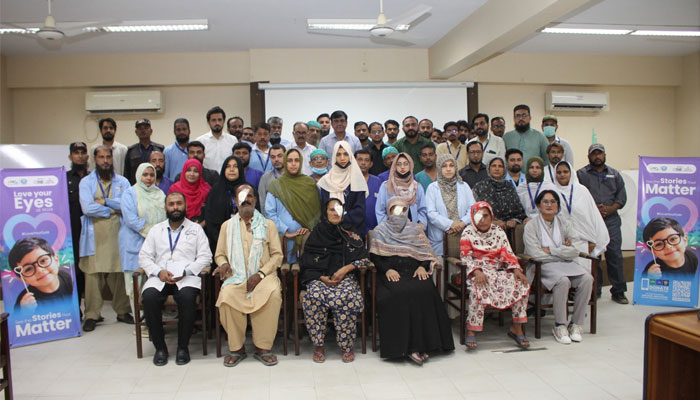
KARACHI: As inflation and economic pressures continue to squeeze household budgets across Pakistan, access to essential healthcare has become an increasingly unaffordable burden for millions, with eye care emerging as one of the areas where lack of timely treatment can have lasting social and economic consequences.
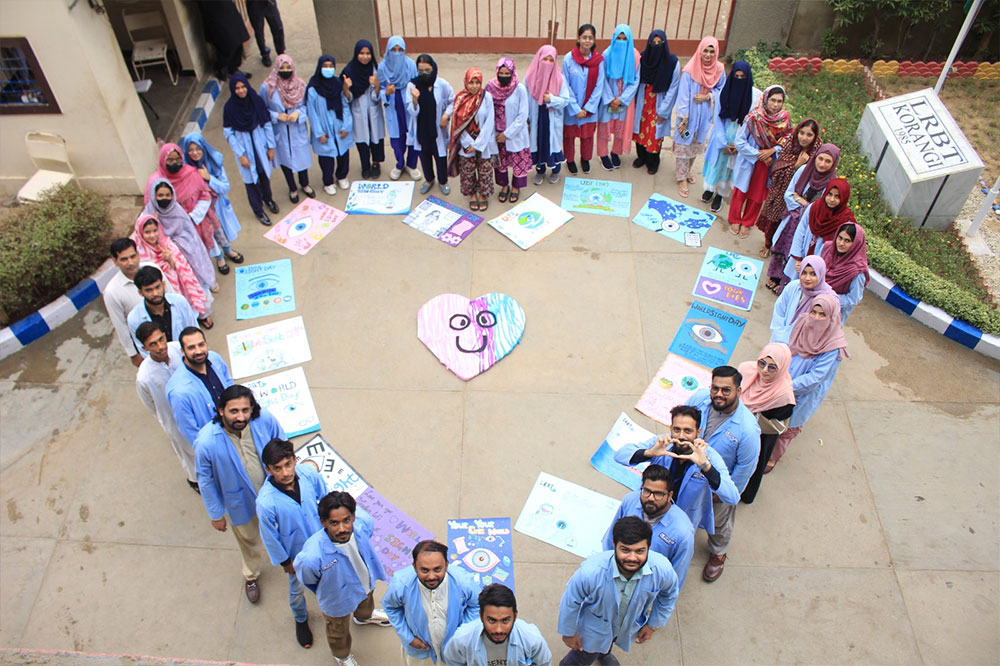
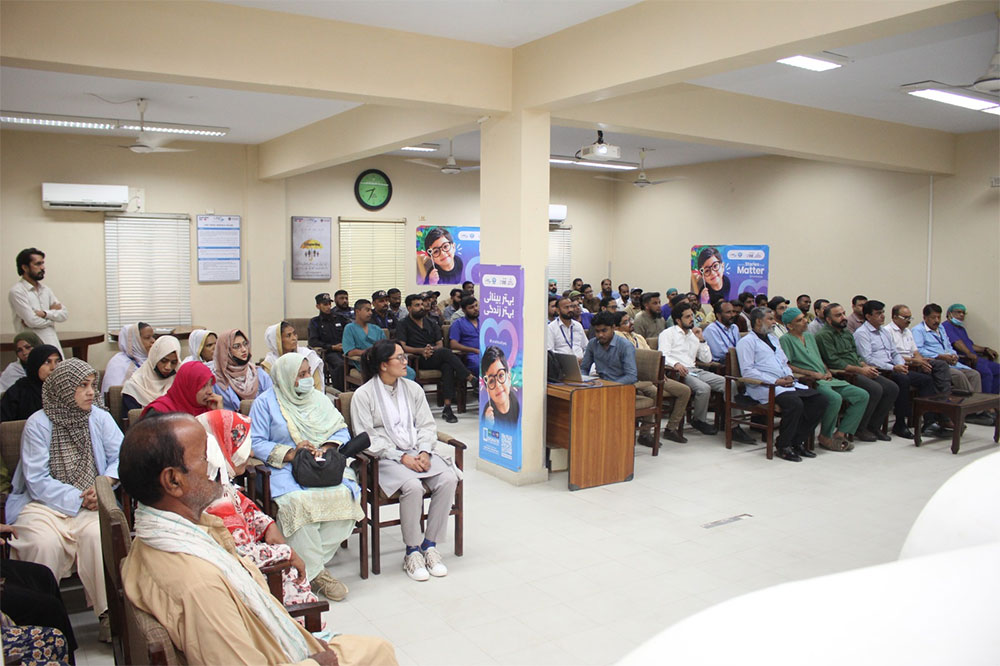
Preventable blindness not only takes away a person’s sight but can also deprive them of their livelihood, turn breadwinners into dependents and disrupt the education and stability of entire families. For households living at or below the poverty line, even a relatively simple and treatable eye condition can become life-changing when quality medical care remains beyond their financial reach.
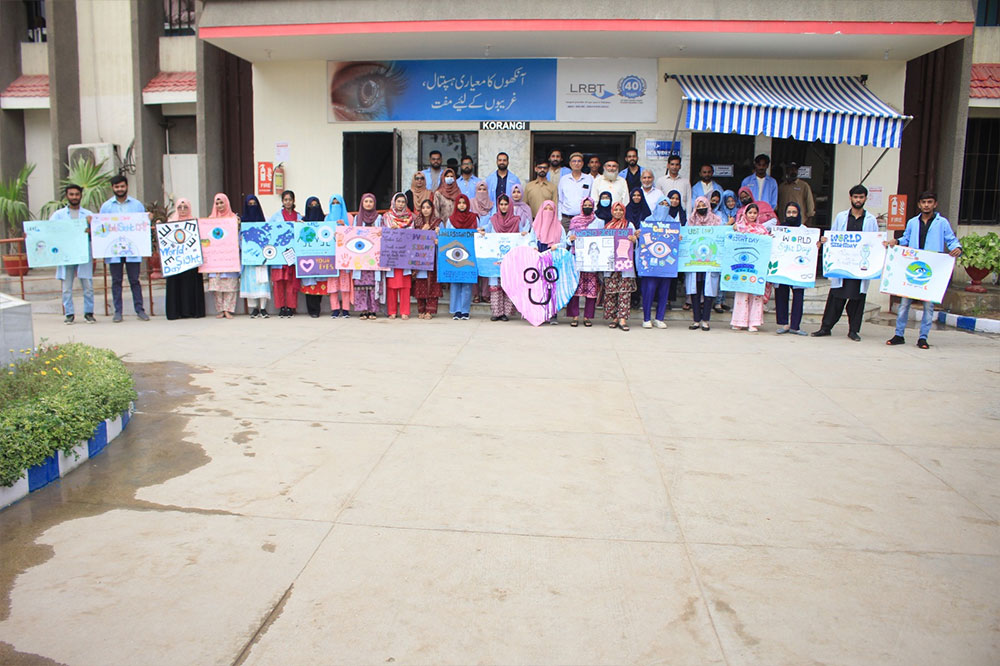
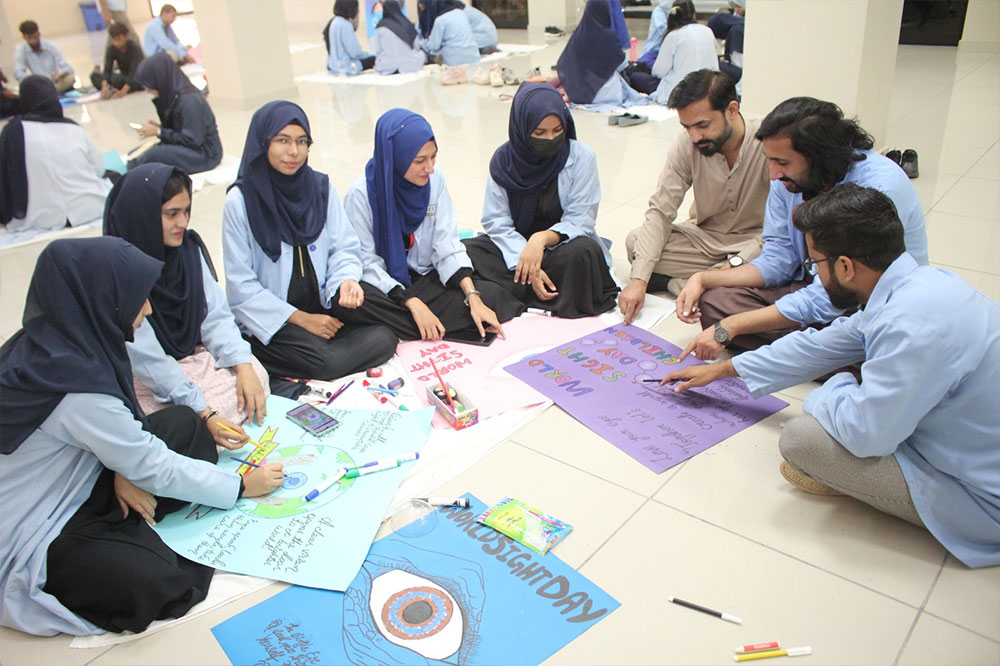
It is this gap that the Layton Rahmatulla Benevolent Trust (LRBT) has sought to address for more than four decades. What began as a modest initiative in 1985 has grown into Pakistan’s largest non-governmental eye-care network, built around a simple principle: no person should have to live in darkness merely because they cannot afford treatment.
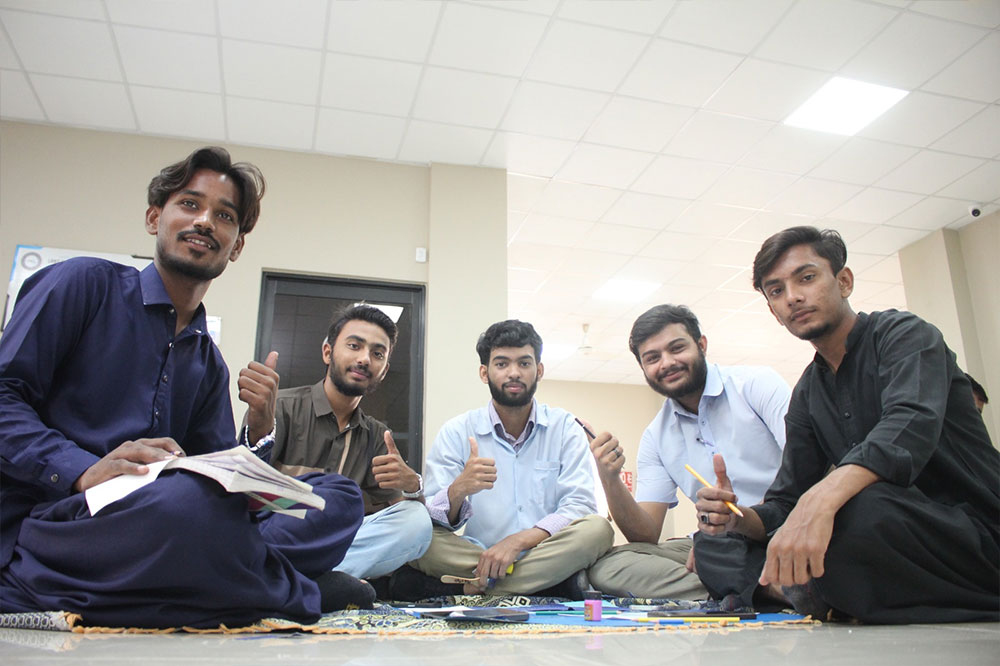
Where gaps remain in the public healthcare system, LRBT has emerged as an important source of eye-care services for underprivileged communities across the country.
According to LRBT, the organisation has treated more than 64 million patients to date. Its comprehensive eye-care services range from routine examinations and cataract surgeries to complex vitreoretinal procedures, paediatric ophthalmology and advanced laser treatments, with services provided completely free of cost to deserving patients.
The impact of restoring sight, however, extends far beyond medical records. A successful procedure can enable a daily-wage worker to return to work and support his family, help a child see clearly enough to continue her education, restore independence to a mother at home, or allow elderly family members to once again see the faces of their loved ones.
Such outcomes reflect LRBT’s approach of treating healthcare not as a privilege but as a basic human need, with the benefits of treatment extending from individual patients to their families and communities.
To provide services on such a scale across diverse geographical regions, LRBT operates a network in which primary eye-care clinics in remote and rural districts are strategically connected with tertiary hospitals in major urban centres. This system is designed to ensure that specialised eye care can also reach communities living far from major healthcare facilities.
The organisation says modern medical technology, advanced operating theatres and continuous professional training of healthcare staff are maintained to standards comparable with those available in the private healthcare sector.
LRBT’s large-scale operations are sustained through a donation-based model supported by Zakat, Sadaqah and corporate social responsibility partnerships. The organisation says these resources are transparently utilised for patient care, translating public and corporate contributions into free treatment for people unable to afford it themselves.
As Pakistan continues to face complex social and economic challenges, the role of non-profit healthcare organisations has become increasingly significant in supporting vulnerable sections of society and supplementing the country’s healthcare safety net.
LRBT’s four-decade journey demonstrates how professional management, medical expertise and philanthropy can be combined to deliver healthcare on a large scale.
By keeping its services accessible to those who cannot afford treatment, LRBT continues its mission of restoring sight, improving independence and helping millions of people across Pakistan regain opportunities that preventable blindness might otherwise take away.