
KARACHI: Preliminary findings of a nationwide health study have revealed a high prevalence of cardiovascular risk factors among apparently healthy Pakistanis, with around 45 percent found to have elevated blood pressure, approximately 35 percent diabetes, nearly 70 percent raised cholesterol and up to 80 percent obesity.
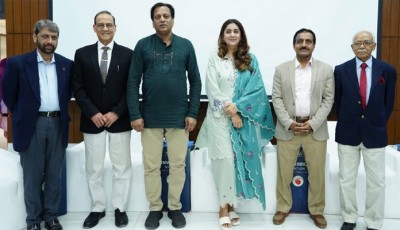
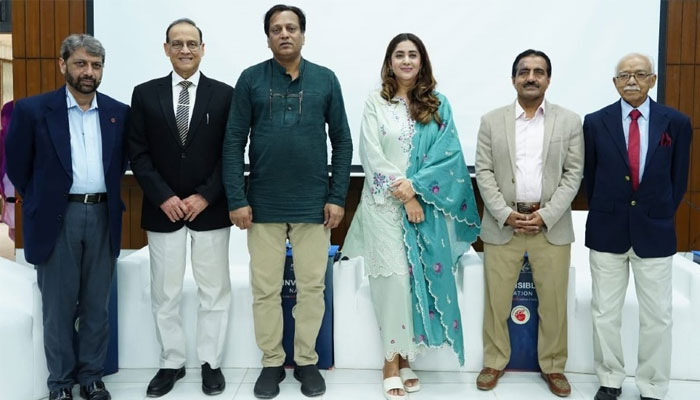
The findings of the Pak-Sehat Study, involving around 2,000 participants from across Pakistan, were shared at a World Heart Day seminar organised by the Faculty of Pharmacy and Pharmaceutical Sciences, University of Karachi, in collaboration with the Pakistan Cardiac Society and PharmEvo.
Dr. Bashir Hanif, Director of Tabba Heart Institute, said the study enrolled around 2,000 people aged between 30 and 65 years from across the country in proportion to the populations of the provinces.
He said all participants considered themselves healthy when they entered the study, but detailed medical histories, physical examinations, blood tests, CT angiography and ultrasound examinations identified a substantial burden of cardiovascular risk factors.
“The initial findings are alarming. Around 45 percent had elevated blood pressure, approximately 35 percent had diabetes, nearly 70 percent had high cholesterol and between 72 and 80 percent were obese,” Dr. Hanif said.
He said obesity was closely associated with hypertension, diabetes and abnormal cholesterol levels, substantially increasing the risk of heart attacks, strokes and other cardiovascular diseases.
Dr. Hanif said South Asians tended to develop cardiovascular disease at relatively younger ages, with heart attacks now being reported even among people below the age of 30.
He said the Pak-Sehat Study was examining premature atherosclerosis and cardiovascular risks among young and middle-aged adults to understand why heart disease was appearing earlier in Pakistan.
Blood samples from all participants have been preserved for genetic analysis, while researchers will also investigate environmental, dietary and lifestyle factors that may contribute to premature heart disease.
The participants will be followed for 10 years, with their medical histories, physical examinations and blood tests repeated at different stages. CT angiography will also be repeated after five and 10 years.
Dr. Hanif said the findings could eventually contribute to the development of a Pakistan-specific risk-prediction system, enabling doctors to identify people at risk of premature heart disease and initiate preventive measures before symptoms develop.
He also advised people to have their blood pressure checked while resting rather than measuring it only during headaches, stress or illness, as readings taken during such conditions might not reflect their usual blood pressure.
Prof. Dr. Saba Bhatti, Director of Cardiac Imaging at the National Institute of Cardiovascular Diseases (NICVD), said heart abnormalities were also being detected among apparently healthy pregnant women through a national echocardiography screening registry operating at antenatal clinics across Pakistan.
She said two research reports from the registry showed that around four in every 100 pregnant women screened had an undiagnosed heart or valve abnormality, congenital heart disease or reduced pumping capacity of the heart's left ventricle.
Women diagnosed through the screening programme were referred to specialised cardio-obstetrics clinics, where their cardiac condition and pregnancy were jointly monitored and managed.
Prof. Bhatti said continuing a pregnancy without knowing about an underlying heart condition could pose serious risks to both the mother and child. Researchers had also observed differences in maternal health outcomes, premature deliveries and babies' birth weights among women diagnosed with cardiac abnormalities.
She said untreated streptococcal throat infections during childhood could lead to rheumatic heart disease and cause damage to heart valves years later, while poverty, overcrowding and limited access to healthcare further increased the risk.
Congenital heart defects were another concern in Pakistan, she said, citing the prevalence of marriages between close relatives. Such conditions could include holes in the heart, structural abnormalities and complex congenital defects.
Prof. Bhatti said high blood pressure also frequently remained undiagnosed until pregnancy, while severe pregnancy-related hypertension could develop into pre-eclampsia or eclampsia, requiring urgent treatment to protect both mother and child.
She urged women not to neglect their own health while caring for their families and advised young people to adopt healthy diets, exercise regularly, walk whenever possible and use stairs instead of lifts.
Prof. Bhatti also expressed concern over vaping among young people, particularly girls, and said late-night eating, inadequate sleep and disrupted sleeping patterns were affecting metabolism, education and overall health.
Pakistan Cardiac Society Secretary Dr. Fawad Farooq said the human body functioned according to a natural biological system and required six to eight hours of regular sleep for adequate recovery.
He urged young people to avoid smoking, physical inactivity and unhealthy food, saying timely identification and treatment of hypertension, diabetes, raised cholesterol and obesity could significantly reduce the risk of cardiovascular disease.
Prof. Dr. Muhammad Haris Shoaib, Dean of the Faculty of Pharmacy and Pharmaceutical Sciences, University of Karachi, said the “Invisible Nation” campaign was helping identify hidden cardiovascular risks and encouraging students to adopt preventive measures before serious disease developed.
PharmEvo Senior General Manager Sohail Ahmed Siddiqui said awareness and screening activities were being conducted at schools, colleges and universities from Karachi to Swat under the campaign.
He said the initiative aimed to reach more than one million students across Pakistan with messages promoting healthy eating, physical activity and prevention of obesity, heart disease and fatty liver.