
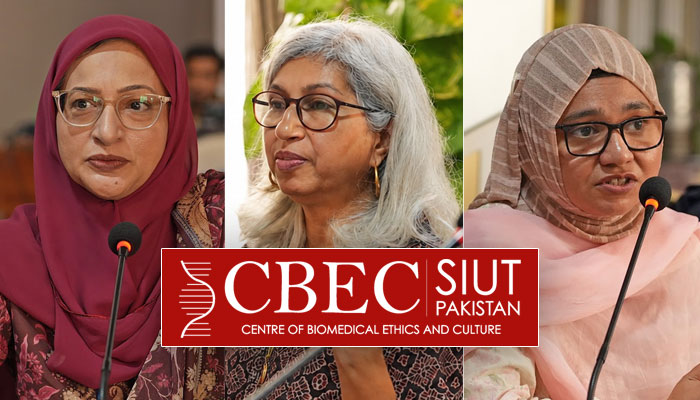
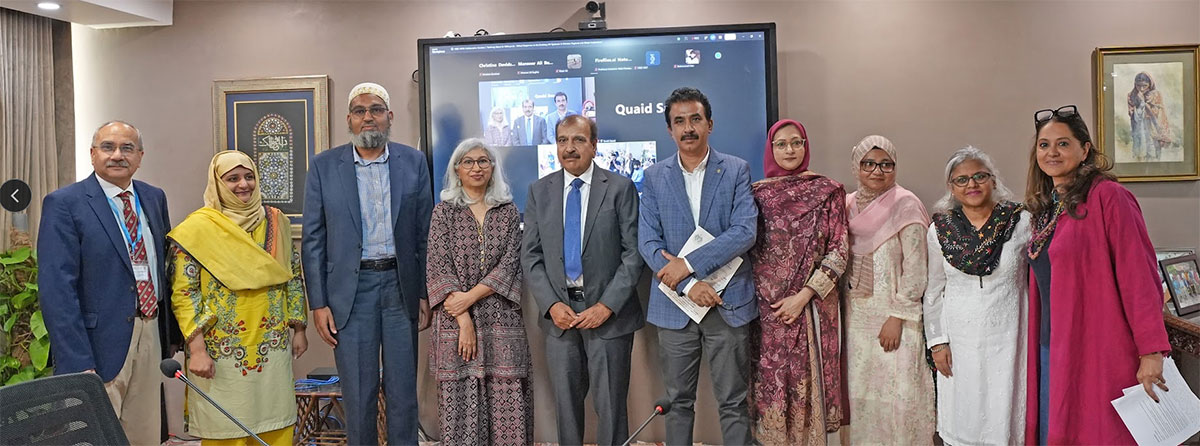
KARACHI: The Centre of Biomedical Ethics and Culture (CBEC) at the Sindh Institute of Urology and Transplantation (SIUT), in collaboration with the World Health Organization’s Eastern Mediterranean Regional Office (WHO-EMRO), organized a one-day seminar to examine Pakistan’s growing HIV epidemic, particularly the increasing number of children affected by the disease.
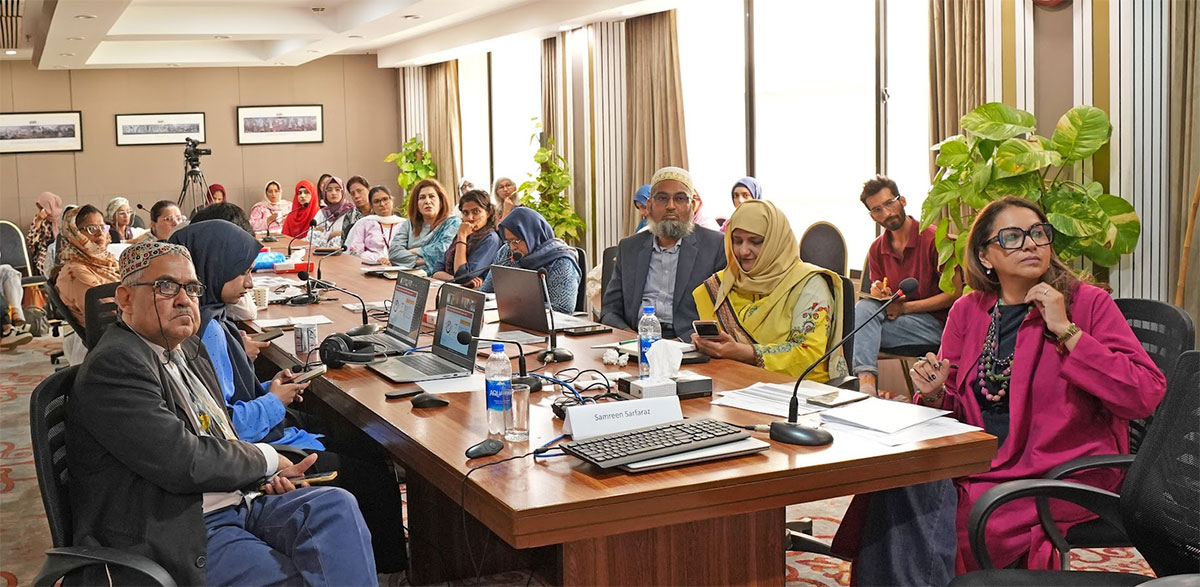
Titled “Nothing about Us, Without Us: Ethical Responses to the Evolving HIV Epidemic in Pakistan: Regional and Global Implications,” the seminar brought together national and international health experts, healthcare professionals, bioethicists, public health specialists, journalists and civil society representatives.
According to WHO figures shared at the seminar, new HIV cases among children aged up to 14 years increased from 530 in 2010 to approximately 1,800 in 2023.
The proceedings began with welcome addresses by CBEC Chairperson Professor Aamir Jafarey and Dr Arshad Altaf of WHO-EMRO. Professor Elizabeth Bukusi from Nairobi, Kenya, delivered the keynote address online and shared lessons from Africa’s response to HIV in resource-limited settings. She stressed the need to strengthen healthcare systems, improve access to treatment and meaningfully involve affected communities in efforts to control the epidemic.
Dr Muhammad Shahid Jamil of WHO-EMRO presented an overview of the HIV response across the Eastern Mediterranean Region, highlighting shared challenges and opportunities for stronger regional cooperation.
Dr Samreen Sarfaraz of Indus Hospital and Health Network reviewed the HIV situation in Pakistan. She discussed misconceptions about the disease, changing infection patterns among children and key populations, healthcare-associated transmission, stigma, delayed diagnosis and difficulties in accessing appropriate treatment and support.
Speakers emphasized that Pakistan’s HIV challenge extends beyond medical treatment. Fear, misinformation, stigma and lack of trust often discourage people from seeking testing and care. They stressed that protecting the rights, dignity and privacy of people living with HIV is essential for an effective public health response.
The seminar called for safe and accountable healthcare systems, wider access to testing and treatment, stronger infection-prevention measures and greater community participation. Its theme, “Nothing about Us, Without Us,” underscored the importance of involving patients, families and affected communities in decisions and policies concerning their health.
Representatives of UNOPS, Nai Zindagi Trust Sindh, Bridge Consultants Foundation, health media and civil society organizations working on HIV-related issues also participated and shared their experiences.
The seminar concluded with a shared understanding that tackling HIV requires a comprehensive approach combining quality medical care, public awareness, ethical healthcare practices, equal access to services and respect for the rights and dignity of people living with HIV.