
The question of whether a surgical instrument used on a patient living with HIV can subsequently be safely used on another patient is an important issue in infection prevention, sterilization and patient safety.
The answer is yes provided the instrument is designed and approved for reuse and undergoes the complete, validated reprocessing and sterilization procedure before being used again.
The important point is that an instrument should never be considered safe merely because it has been washed, wiped with alcohol or exposed to a disinfectant. Surgical instruments that enter sterile tissue or the vascular system are classified as critical medical devices and must be properly sterilized before use.
HIV Status Does Not Change the Basic Reprocessing Standard
Surgical instruments do not require a separate sterilization method simply because they have been used on a patient living with HIV.
Standard precautions require healthcare workers to treat used instruments as potentially contaminated regardless of whether a patient's HIV, hepatitis or other infection status is known.
The objective of instrument reprocessing is therefore not simply to “kill HIV.” The objective is to achieve the required level of sterility and prevent the transmission of relevant microorganisms between patients.
This principle also protects healthcare workers involved in handling contaminated instruments.
Cleaning Comes Before Sterilization
One of the most important principles of medical-device reprocessing is that an instrument must first be adequately cleaned.
Blood, tissue and other organic or inorganic material remaining on an instrument can interfere with subsequent disinfection or sterilization. Therefore, thorough cleaning is an essential component of safe reprocessing.
For an appropriate reusable surgical instrument, the general pathway should include:
Safe handling and transport after use → Cleaning/decontamination → Inspection → Preparation and packaging → Validated sterilization → Appropriate storage → Aseptic use
Each stage should be performed according to the healthcare facility's approved infection-prevention procedures and the medical-device manufacturer's instructions for use.
Sterilization of Surgical Instruments
For heat- and moisture-resistant critical surgical instruments, steam sterilization is generally the preferred method because of its reliability and established safety margin.
However, not every medical device can be processed in exactly the same way. Heat- or moisture-sensitive devices may require an appropriate validated low-temperature sterilization method.
Healthcare facilities should therefore follow the manufacturer's instructions, applicable infection-prevention standards and validated institutional procedures rather than applying one method indiscriminately to every device.
Sterilization processes should also be appropriately monitored and documented to ensure that the required conditions have been achieved.
Alcohol, Bleach and Other Chemical Agents
Alcohol, chlorine-based products and other chemical agents have important roles in infection prevention and environmental decontamination, but they should not be casually substituted for the validated sterilization required for critical surgical instruments.
For example, wiping or rinsing a surgical instrument with alcohol does not constitute sterilization.
Similarly, environmental disinfection should not be confused with surgical-instrument sterilization. A theatre floor, trolley or other environmental surface has different reprocessing requirements from an instrument that enters sterile tissue or the vascular system.
The appropriate method should always depend on the classification of the device, its manufacturer's instructions, hospital policy and the validated reprocessing procedure.
Reusable and Single-Use Devices Must Be Distinguished
It is equally important to distinguish between a reusable medical device and one manufactured for single use.
A reusable device is designed to undergo specified reprocessing procedures and should have manufacturer instructions covering its cleaning, disinfection and/or sterilization.
A device labelled for single use should not simply be treated as a reusable surgical instrument. Healthcare workers must follow applicable manufacturer instructions, regulatory requirements and institutional policies.
Infection Prevention in the Operation Theatre
Effective infection prevention in an operation theatre requires more than sterilization alone. It includes:
- safe handling and transportation of contaminated instruments;
- appropriate use of personal protective equipment;
- proper cleaning and decontamination of reusable devices;
- validated sterilization procedures;
- safe storage of sterile instruments;
- environmental cleaning and disinfection;
- monitoring and documentation of sterilization processes; and
- consistent compliance with standard precautions.
These measures should be followed for every patient, regardless of known or unknown infection status.
My 26 Years of Experience in the Emergency Operation Theatre
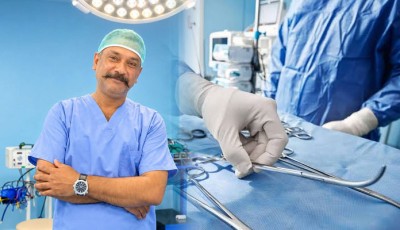
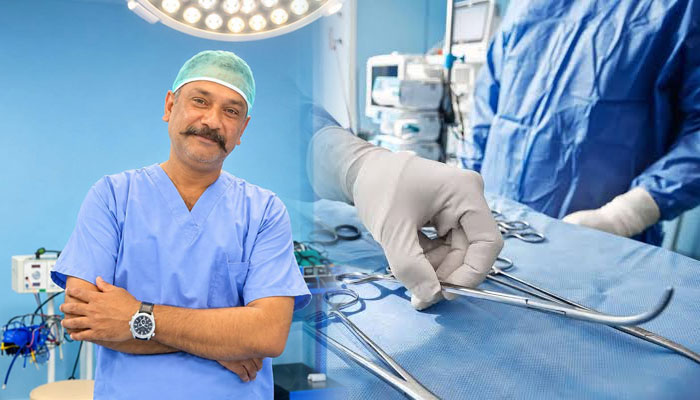
I have been working in the Emergency Operation Theatre at JPMC, Karachi, for the last 26 years. During this period, I have handled countless patients, surgical procedures, instruments and medical devices and have performed different operation-theatre responsibilities.
Throughout my service, I have considered sterilization, disinfection and infection prevention among the most important responsibilities of operating-theatre staff.
When access to the internet, social media and instant medical information was limited, healthcare workers depended heavily on their professional training, institutional procedures and the knowledge available to them at the time.
With greater awareness and guidance from organizations such as the World Health Organization, our understanding of infection prevention and medical-device reprocessing has continued to strengthen.
My experience has reinforced one fundamental lesson: there can be no compromise on proper sterilization and patient safety.
A Message to Healthcare Workers
Whenever a patient lies on an operating-theatre table, we should think of that person with the same concern and responsibility that we would have if our own mother, father, brother, sister, son or daughter were lying there.
That approach naturally reminds us to perform every responsibility carefully, honestly and without negligence.
Every patient entering an operating theatre places trust in the healthcare team. We must honour that trust through proper infection-prevention practices, safe handling of instruments, correct sterilization procedures and responsible patient care.
A reusable surgical instrument previously used on a patient living with HIV can be safely used again only after it has successfully undergone the complete, appropriate and validated reprocessing and sterilization procedure.
The principle should be simple:
Do not base instrument safety on the known infection status of the previous patient. Treat every used instrument as potentially contaminated and follow the complete validated reprocessing pathway before reuse.
By maintaining these standards, healthcare workers can help prevent HIV and other healthcare-associated infections while protecting patients, colleagues and themselves.
Serving patients and protecting human life is not only our professional responsibility; it is also a service to humanity.
May Allah Almighty accept our sincere efforts to serve humanity, protect patients and save human lives. Ameen.
References
- World Health Organization. Decontamination and Reprocessing of Medical Devices for Health-Care Facilities. WHO, 2016.
- World Health Organization. Decontamination and Reprocessing of Medical Devices for Health-Care Facilities: Aide-Memoire. WHO, 2022.
- Centers for Disease Control and Prevention. Guideline for Disinfection and Sterilization in Healthcare Facilities, 2008. Updated June 2024.
- Centers for Disease Control and Prevention. Cleaning, Sterilization and Disinfection Recommendations for Patient-Care Devices. CDC Infection Control guidance.