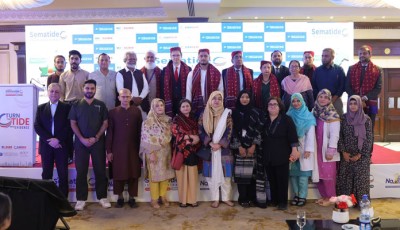

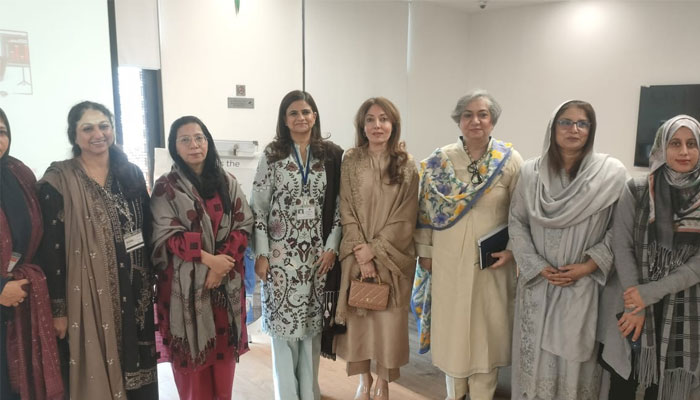
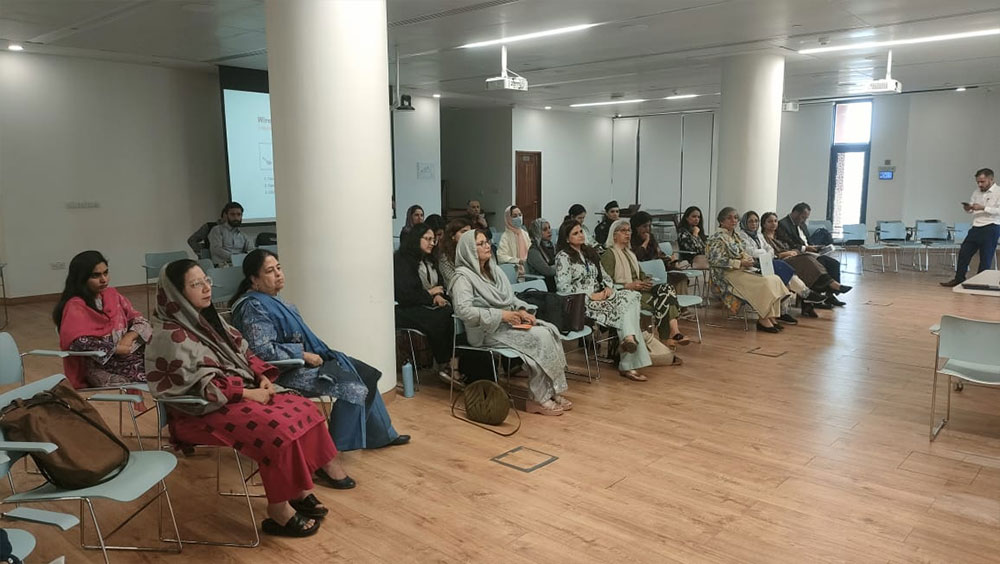
KARACHI: The Aga Khan University Hospital (AKUH), in collaboration with national rights bodies and government representatives, hosted a high-level policy dialogue on Friday titled “Safeguarding Futures: The Repercussions of Child Marriage in Pakistan.” The event brought together leading policymakers, medical experts, law-enforcement officials and civil society representatives to examine the severe social, legal and health consequences of child marriage in the country.
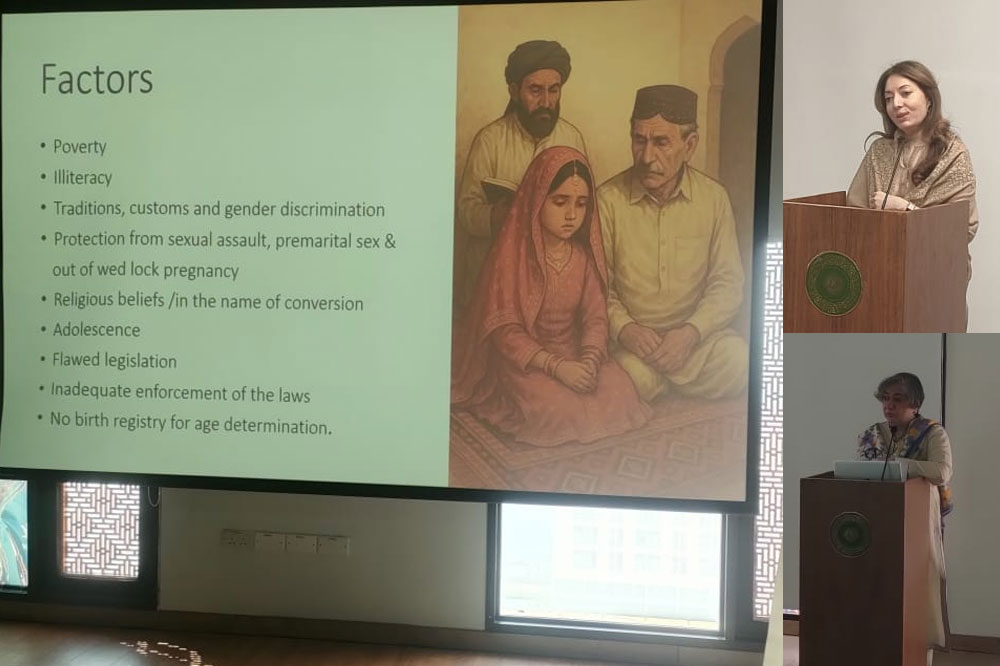
The dialogue opened with an evidence-based overview by Professor Dr Kishwar Enam of AKU, who described Pakistan as one of the top six countries with the highest prevalence of child marriage. She cited UNFPA and UNICEF data linking early marriage to poverty, displacement and educational exclusion, and highlighted major gaps in law enforcement, age-verification systems and institutional coordination.
Chairperson of the National Commission on the Status of Women (NCSW), Ms Ume Laila Azhar, stressed that child marriage constitutes a violation of child rights, human rights and health rights. She called for a uniform national minimum age of marriage—18 years—across all provinces, alongside an integrated child protection system connecting police, judiciary, health, social welfare and education departments. She emphasised the need for strong accountability mechanisms, structured referral pathways and enhanced capacity of frontline personnel.
Sindh Commission on the Status of Women Chairperson Ms Rubina Brohi discussed Sindh’s legislative reforms, noting that although Sindh was the first province to legislate 18 as the minimum age, implementation remains weak due to judicial and administrative gaps.
Member of the National Assembly Ms Sharmila Farooqi made a strong plea for harmonising laws nationwide, stating: “Child marriage is not a tradition — it is violence.” She underscored the long-term harms suffered by girls, including disrupted education, compromised health, emotional trauma and lifelong economic dependency.
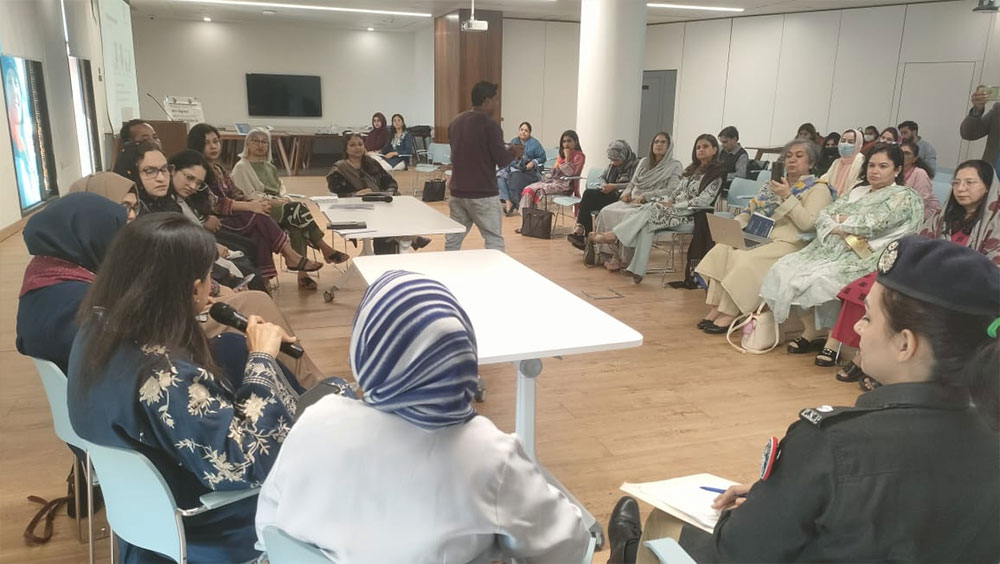
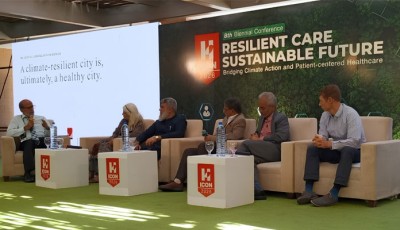
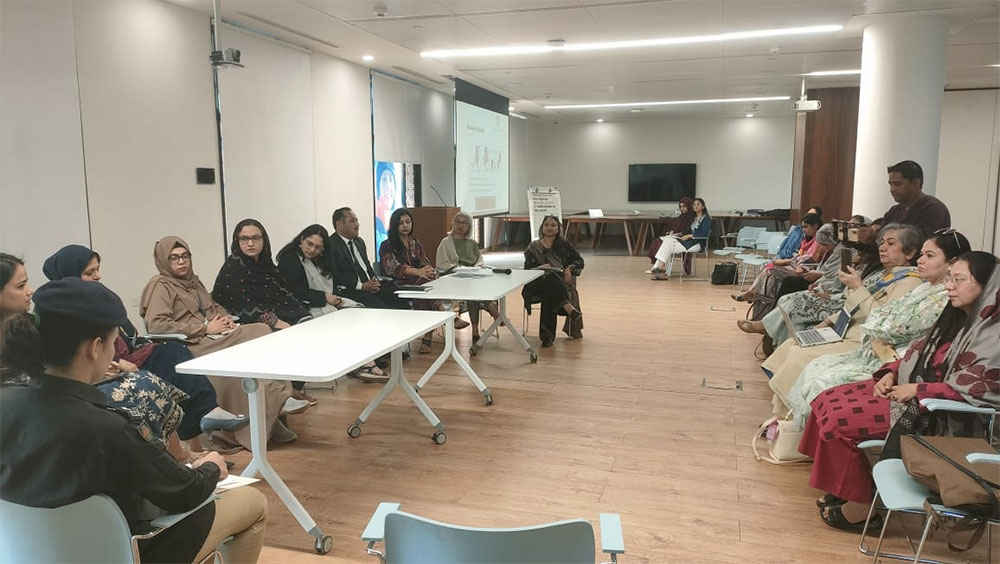
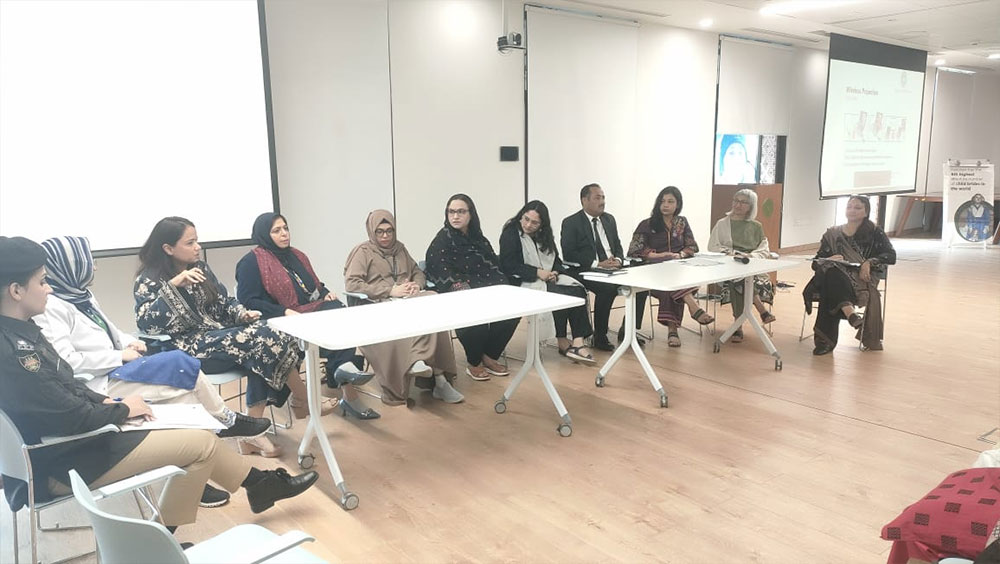
A panel discussion moderated by Dr Adina Sajjad featured experts across medicine, psychiatry, paediatrics, law enforcement and child protection. AKU gynaecologists Dr Aliya Aziz and Dr Urooj Kashif highlighted the severe health risks faced by adolescent mothers, including high maternal mortality, obstructed labour, fistula and psychological trauma. Paediatrician Dr Shabina Arif pointed to increased rates of stunting, low birth weight and developmental delays among infants born to young mothers, while psychiatrist Dr Rabeeqa Aftab noted that early marriage often leads to depression, anxiety, PTSD and long-term emotional impairment.
Representatives from the Sindh Child Protection Authority, Sindh Judicial Academy, Women Development Department, and Sindh Police detailed systemic challenges, including poor age verification, delayed legal processes, inadequate medical assessments, limited resources and the need for specialised training and digital tools. NCSW member Ms Zofeen Ibrahim highlighted the role of media and civil society in strengthening community awareness and monitoring legal protections.
The session concluded with consensus on key priority actions: establishing 18 years as the uniform legal age of marriage across Pakistan, strengthening integrated child protection systems, improving age-verification mechanisms, enhancing the capacity of frontline officials, expanding data and monitoring frameworks, and scaling up community-based awareness and adolescent health initiatives.
Participants agreed that preventing child marriage requires coordinated national action, political commitment and sustained investment in the health, education and protection of Pakistan’s children.