
KARACHI: Religious scholars and diabetes experts have warned that diabetic patients may face serious medical complications if they observe fasting without proper medical consultation, advising them to seek guidance from physicians before fasting during the holy month of Ramadan to ensure their safety.
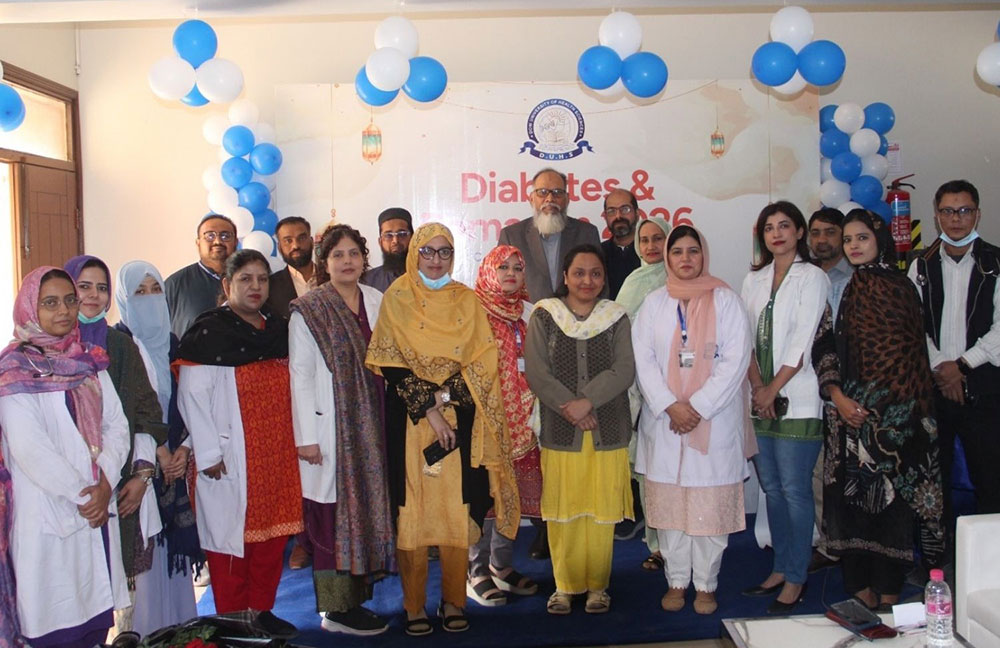
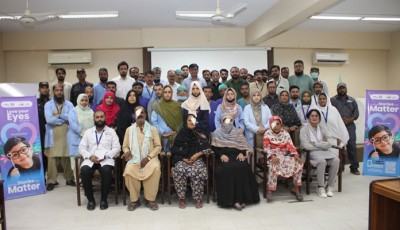
The experts emphasized that patients who are medically advised against fasting should not feel guilty, as Islam provides exemptions for individuals suffering from illness. These views were shared during the “Diabetes and Ramadan Patient Awareness Program” organized by the National Institute of Diabetes and Endocrinology (NIDE) at the Ojha Campus of Dow University of Health Sciences.
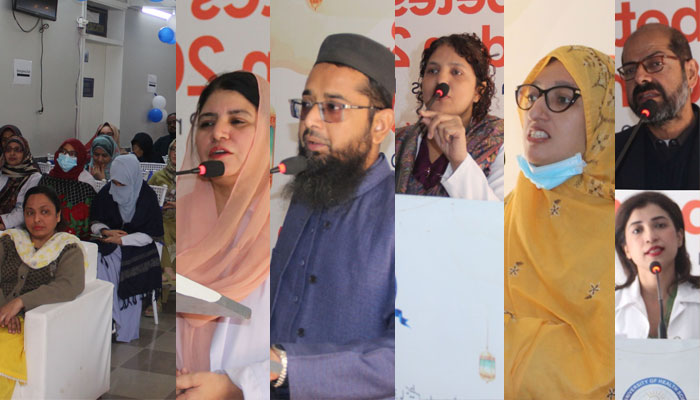
The program was chaired by Director NIDE, Dr. Musarrat Riaz, and attended by a large number of diabetic patients and their family members. Speakers included Dr. Syed Muhammad Hassan, Dr. Fareeduddin, Dr. Zareen Kiran, Dr. Nida Shakeel, dietitian Ms. Tehmina Rashid, and religious scholar Mufti Farukh Ahmed.
Addressing the seminar, Dr. Musarrat Riaz said the initiative aimed to provide accurate, scientific and practical guidance to diabetic patients regarding fasting during Ramadan, enabling them to make informed decisions about their health. She stressed the need for collaboration between physicians, patients and religious scholars to address misconceptions related to diabetes and fasting.
Dr. Fareeduddin stated that structured Ramadan-specific dietary and treatment plans are now used to help determine whether patients can fast safely. He explained that individuals with extremely high or low blood glucose levels or a history of heart attack are generally advised not to fast, as fasting could aggravate their medical condition.
Religious scholar Mufti Farukh Ahmed said that if diabetes poses a serious risk to a patient’s life due to uncontrolled blood sugar fluctuations, Islamic teachings permit them not to fast. He referred to Quranic injunctions that allow exemptions for those whose health may be harmed.
Experts further noted that diabetic patients are classified into different risk categories and that the decision to fast should be based on an individual medical assessment. They provided guidance on adjusting medications and insulin doses during Ramadan, regular monitoring of blood glucose levels, and measures to prevent hypoglycemia and hyperglycemia.
Dietitian Ms. Tehmina Rashid highlighted the importance of balanced nutrition during Ramadan, advising patients not to skip suhoor and to include fiber-rich foods such as lentils, vegetables, eggs and yogurt to maintain better blood sugar control.
At the conclusion of the program, free medical check-ups, diagnostic tests and diabetes-related consultations were provided to the participants.