
KARACHI: The Dr. Panjwani Center for Molecular Medicine and Drug Research (PCMD) and Liaquat National Hospital (LNH) have strengthened their research collaboration to advance joint work in infectious diseases, oncology, and artificial intelligence, aiming to address key health challenges in Pakistan.
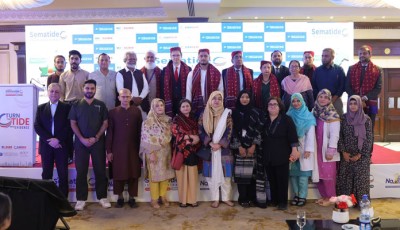
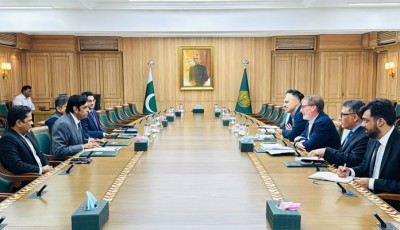
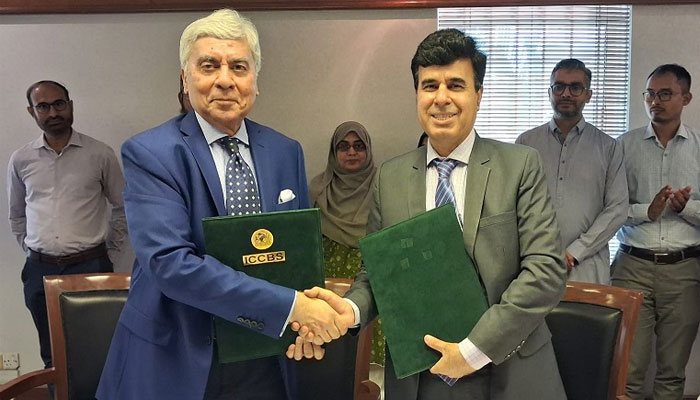
A high-level delegation from Liaquat National Hospital visited the Dr. Panjwani Center at the International Center for Chemical and Biological Sciences (ICCBS), University of Karachi, as part of efforts to operationalize the recently established partnership between the two institutions. The visit also featured the second Memorandum of Understanding (MoU) signing ceremony, following an earlier ceremony held at Liaquat National Hospital.
The LNH delegation included Managing Director Prof. Dr. Salman Faridi, Assistant Managing Director Prof. Dr. Saleha Shahzad, Head of Oncology Prof. Dr. Naila Zahid, Head of Pathology Prof. Dr. Naveen Faridi, Head of Surgery Prof. Dr. Sheeraz-ur-Rehman, and Head of Anatomy Prof. Dr. Zia-ul-Islam, along with other senior officials. The delegation was received by ICCBS Director Prof. Dr. Muhammad Raza Shah, Prof. Dr. Ishtiaq Ahmad Khan, and other faculty members of the Dr. Panjwani Center.
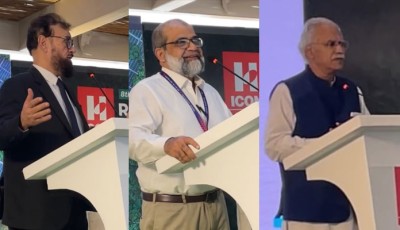
During the visit, Prof. Dr. Muhammad Raza Shah briefed the delegation on the history, achievements, and scientific contributions of the Dr. Panjwani Center, highlighting its advanced research infrastructure, highly qualified faculty, and state-of-the-art facilities. He said collaboration with a major healthcare institution such as Liaquat National Hospital would help strengthen efforts to address pressing health issues, particularly in Sindh.
Following technical discussions, both institutions constituted three joint working groups to focus on priority research areas including oncology, infectious diseases, and artificial intelligence.
Speaking on the occasion, Prof. Dr. Salman Faridi said the region continues to face a significant burden of infectious diseases, while many existing treatment protocols are developed in Western settings where disease patterns differ. He emphasized the need for locally driven research and indigenous treatment protocols based on regional clinical data.
He also pointed to the increasing burden of early-onset cardiac diseases and stressed the potential of artificial intelligence in analyzing clinical datasets, particularly archived COVID-19 patient records, to generate evidence-based insights for future healthcare planning.
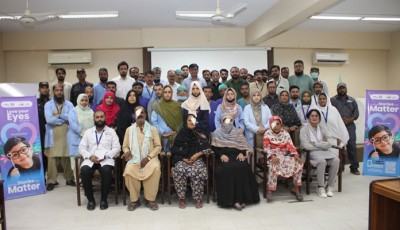
The delegation later toured laboratories and research facilities at the Dr. Panjwani Center, where they interacted with researchers and students, and appreciated the institution’s scientific capabilities and academic contributions.