
KARACHI: A leading cardiologist has urged citizens to undergo Pre-Ramadan medical assessments and adopt healthier lifestyles to prevent complications during the holy month, stressing that a balanced diet and appropriate exercise are key to safe fasting.
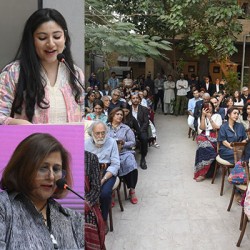
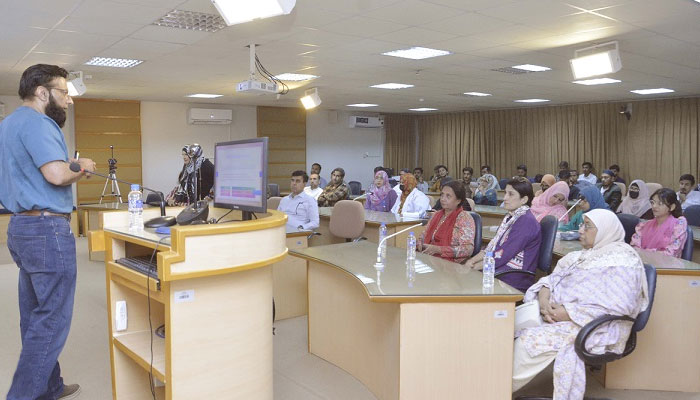
Prof. Dr. Mohammed Rehan Omar, Consultant Interventional Cardiologist at National Medical Center and Life Healthcare Clinics, Karachi, expressed these views while delivering a lecture titled “Medication and Lifestyle Adjustments During Ramadan: The Month of Unlimited Blessings” at the L.E.J. National Science Information Center, University of Karachi. The event was organised by the Dr. Panjwani Center for Molecular Medicine and Drug Research (PCMD) in collaboration with the Sindh Innovation Research and Education Network (SIREN).
Earlier, Prof. Dr. Muhammad Raza Shah, Director of the International Centre for Chemical and Biological Sciences (ICCBS), University of Karachi, welcomed the guest speaker.
Dr. Rehan Omar emphasised that individuals intending to fast should focus on a well-balanced diet rich in fibre, low in salt, and low on the glycemic index to maintain stable blood sugar levels and prevent dehydration. He advised those who wish to exercise during Ramadan to do so preferably after iftar.
He noted that although some people lose weight during Ramadan, weight regain is commonly observed within weeks after the month ends. He stressed the need for structured and consistent lifestyle changes to prevent rapid post-Ramadan weight gain. Rejecting the misconception that exercise during Ramadan is unsafe or ineffective, he underscored the importance of regular physical activity to maintain cardiovascular health and overall strength.
Warning against excessive consumption of carbohydrate- and fat-rich foods at sehri and iftar, he recommended nutritional counselling to help individuals remain healthy and well-hydrated. Expressing concern over Pakistan’s high burden of diabetes, he said the country has one of the highest prevalence rates globally, adding that at least 463 million people worldwide are living with diabetes.
Discussing medical conditions that may preclude fasting, he said patients with poorly controlled hypertension, recent acute coronary syndrome or myocardial infarction, hypertrophic cardiomyopathy with obstruction, severe valvular disease, advanced heart failure, poorly controlled arrhythmias, and those at high risk of fatal arrhythmias should avoid fasting unless cleared by their physicians.
He added that patients with kidney disease may fast under strict medical supervision with continuous monitoring of kidney or graft function.
Dr. Omar informed participants that the International Diabetes Federation and the Diabetes and Ramadan International Alliance have developed comprehensive guidelines for fasting patients with both Type 1 and Type 2 diabetes. He said Ramadan presents an opportunity to address obesity, a major contributor to mortality worldwide and in Pakistan.
Highlighting the growing incidence of cardiovascular disease in the country, he warned that unhealthy lifestyles are leading to increased deaths from heart-related conditions. However, he noted that active participation in Ramadan can also have positive psychological effects, including reduced depression, anxiety, and stress, along with improved memory and overall mental well-being.