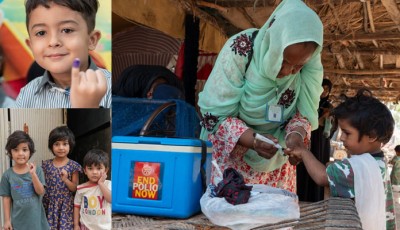

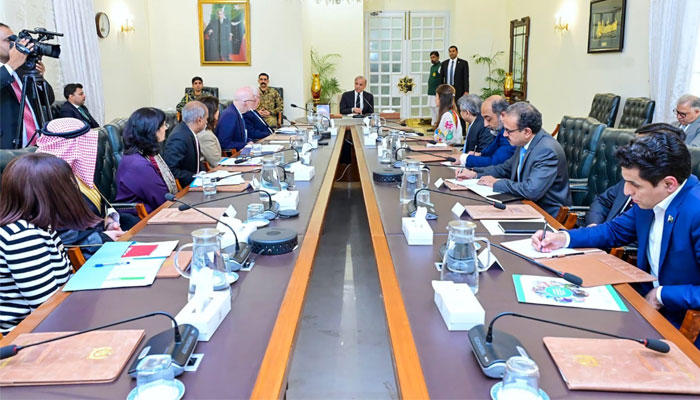
ISLAMABAD: A high-level delegation of the Global Polio Eradication Initiative (GPEI) Polio Oversight Board (POB) has reaffirmed its strong support for Pakistan’s efforts to eradicate polio, describing the next six months as critical for achieving the goal of ending transmission in Pakistan and globally.
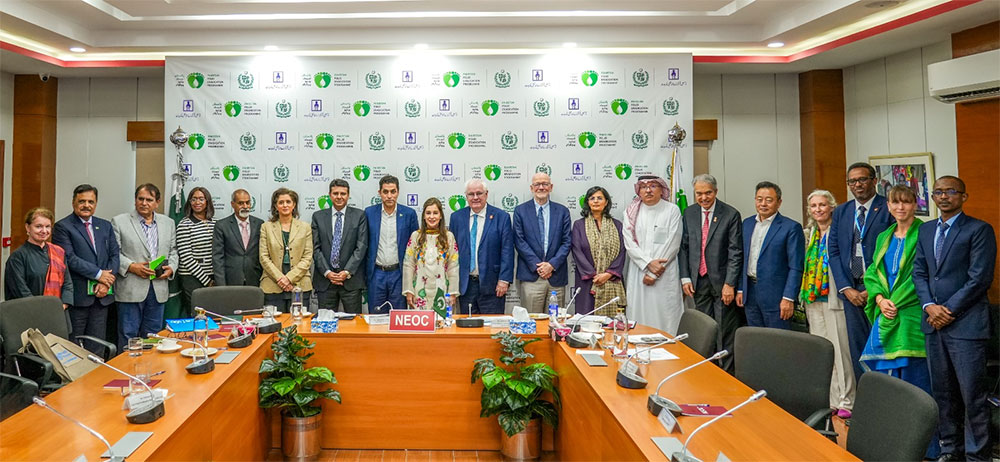
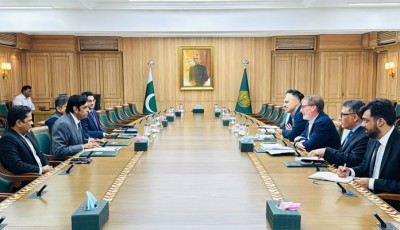
During its visit to Islamabad, the delegation met Prime Minister Shehbaz Sharif, Federal Minister for National Health Services Syed Mustafa Kamal, Prime Minister’s Focal Person for Polio Eradication Ayesha Raza Farooq, Deputy Prime Minister and Foreign Minister Senator Ishaq Dar, and Pakistan Army’s Engineer-in-Chief Lieutenant General Kashif Nazir.
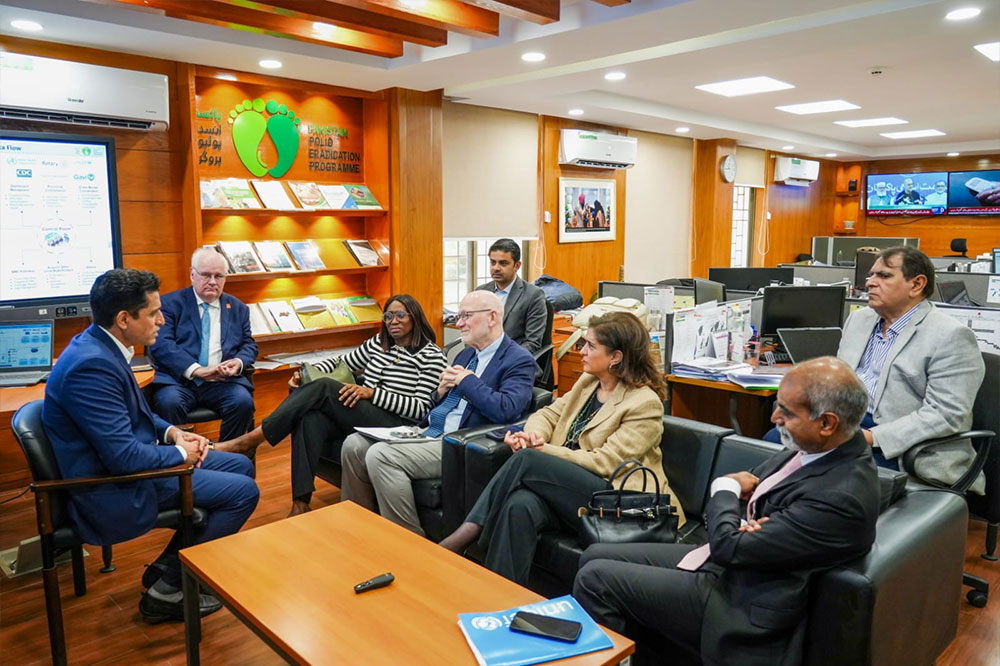
The delegation acknowledged Pakistan’s significant progress against polio, noting that cases have declined by 99.8 percent since the early 1990s. Annual cases, which once stood at around 20,000, dropped to 31 in 2025, while only three cases have been reported so far in 2026. The virus is now largely confined to a few areas of southern Khyber Pakhtunkhwa.
The visiting officials praised the Government of Pakistan’s leadership, oversight and commitment to the eradication programme, while reaffirming continued international support despite shrinking global financial resources for polio eradication. They stressed the importance of sustaining investments in both the Polio Eradication Initiative (PEI) and the Expanded Programme on Immunization (EPI) to protect gains made over the past three decades.
Prime Minister Shehbaz Sharif thanked GPEI partners and donors for their continued support and reiterated that eliminating polio remains one of the government's highest national priorities. He directed all stakeholders to intensify efforts, particularly in high-risk districts of southern Khyber Pakhtunkhwa.
Federal Health Minister Syed Mustafa Kamal said Pakistan had strengthened its national polio response through improved inter-provincial coordination, stronger government oversight and better healthcare delivery. He added that investments in polio eradication were also strengthening routine immunization and primary healthcare services, helping reach zero-dose and under-immunized children while protecting them against other vaccine-preventable diseases.
Ayesha Raza Farooq highlighted the steady decline in polio cases, from 74 in 2024 to 31 in 2025 and only three so far this year. She emphasized that sustained, coordinated efforts, quality vaccination campaigns, effective surveillance and the dedication of frontline workers and security personnel were essential to permanently interrupt virus transmission.
The delegation also pledged continued support for closer integration of the polio programme with routine immunization services, Pakistan’s Gavi 6.0 planning process and the introduction of new vaccines under the national immunization schedule.
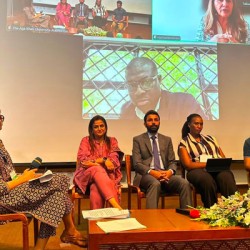
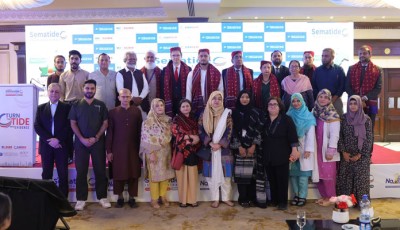
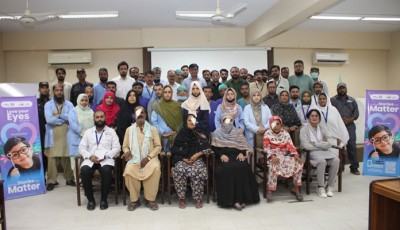
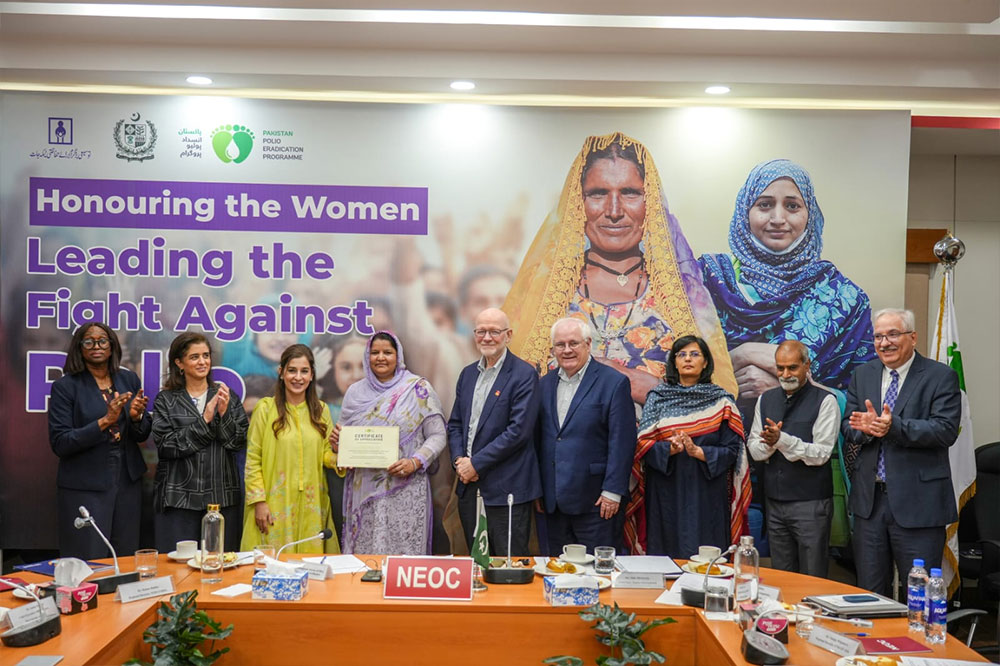
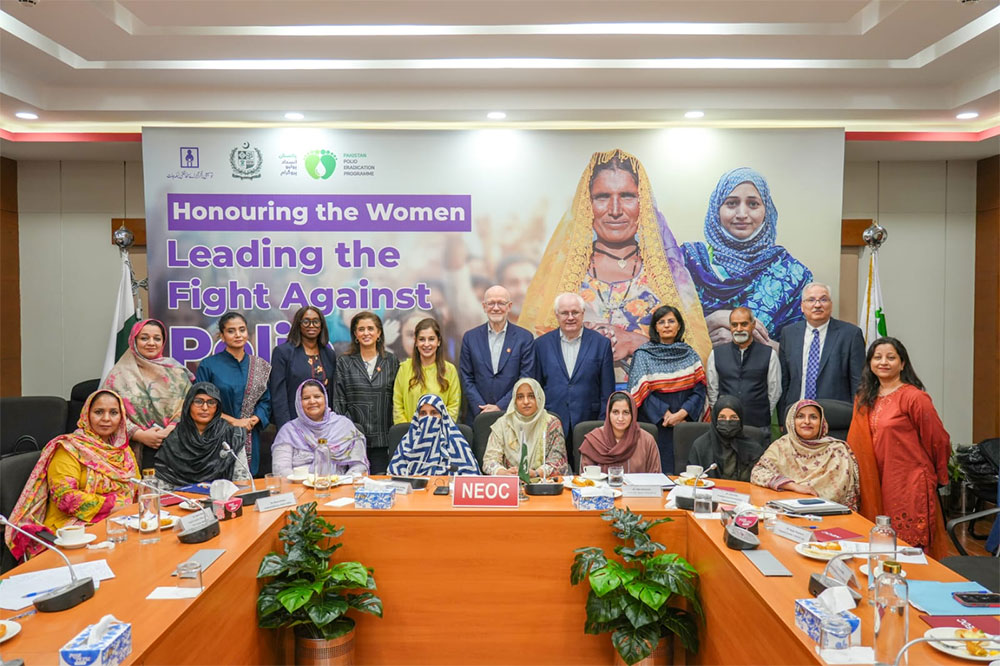
The POB members also held a roundtable meeting with female frontline health workers from across Pakistan, commending their dedication and contributions to the country's polio eradication efforts.
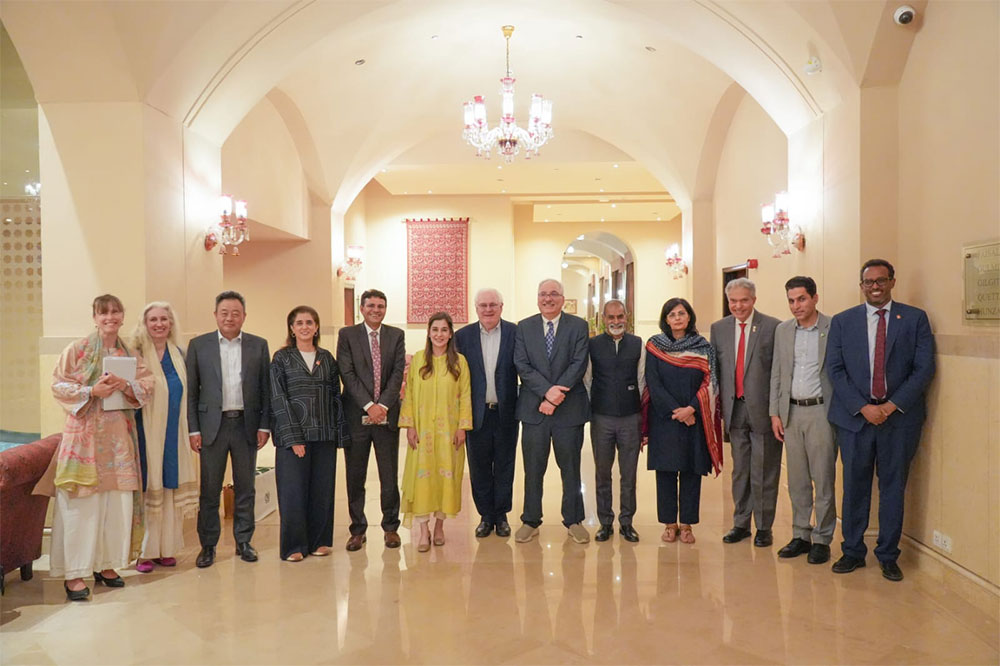
The delegation was led by POB Chairman and Rotary International PolioPlus Committee Chair Mike McGovern. Members included WHO Eastern Mediterranean Regional Director Dr. Hanan Balkhy, UNICEF Regional Director for South Asia Sanjay Wijesekera, Gates Foundation President of Global Development Dr. Chris Elias, CDC Polio Team Lead Dr. Omotayo Bolu, Gavi CEO Dr. Sania Nishtar and senior representatives of other global partners.
Before arriving in Pakistan, the delegation also visited Afghanistan. Pakistan and Afghanistan remain the only two countries where wild poliovirus transmission continues. So far in 2026, Pakistan has reported three polio cases, while Afghanistan has reported seven.