
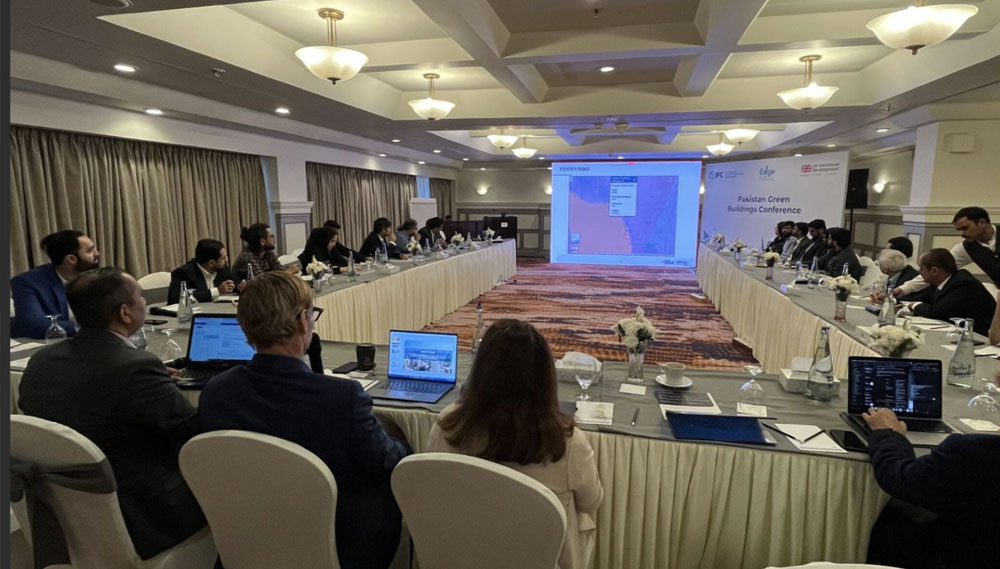
KARACHI: The Pakistan Green and Resilient Building Conference 2025 concluded in Karachi after three days of discussions on how environmentally sustainable construction can improve both public health and urban resilience in Pakistan. The event brought together senior government officials, environmental experts, architects, and financial institutions to promote eco-friendly, energy-efficient, and climate-conscious building practices that directly impact the health and well-being of citizens.
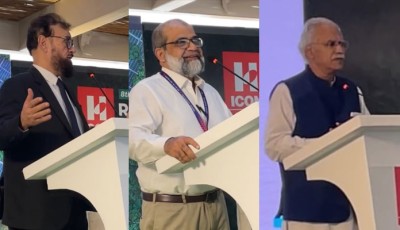
In her keynote address, Aisha Moriani, Secretary of the Ministry of Climate Change and Environmental Coordination, said that Pakistan’s new policy initiatives — including the Pakistan Green Building Code 2023, Green Taxonomy, and Climate Risk Screening Guidelines 2024 — aim to make buildings safer, cleaner, and healthier for occupants. She noted that sustainable construction not only reduces carbon emissions but also improves air quality, minimizes indoor pollution, and lowers the risk of heat-related illnesses in densely populated urban centers.
Muzamil Hussain Halepoto, Director General of the Sindh Building Control Authority (SBCA), who attended as the Chief Guest, emphasized that the Government of Sindh is integrating green building and environmental health standards into provincial regulations. “Sustainable construction is no longer optional — it’s essential for protecting citizens from environmental hazards and ensuring a livable future,” he stated.
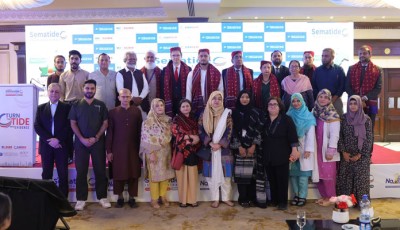
The conference also featured EDGE Awards recognizing outstanding contributions to energy and resource efficiency. Organizations honored included OGDC, Zameen Development, Allied Bank, Safia Homes (Ansaar Management Company), Modulus Green Homes, HBL Microfinance Bank, Serena Hotels, and Habib University. Awards were presented by Chairman P&D Najam Shah, who praised these institutions for aligning their projects with climate-smart and health-sensitive design standards.
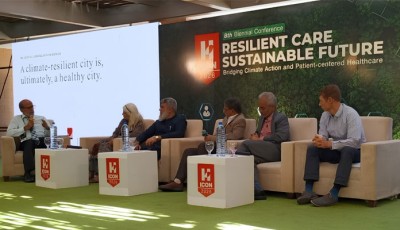
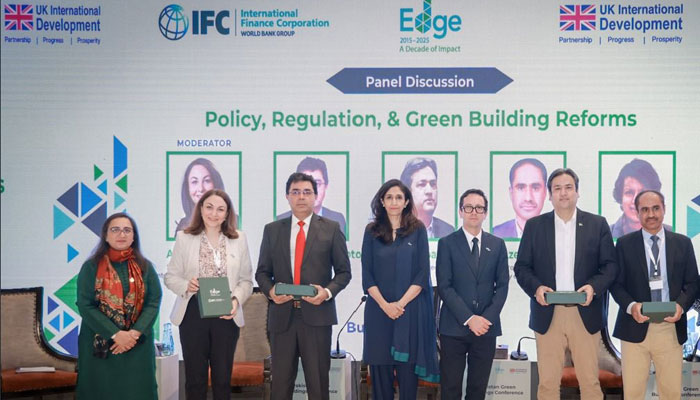
Experts from the World Bank, National Energy Efficiency and Conservation Authority (NEECA), and the Ministry of Climate Change joined the DG SBCA in a panel discussion on the role of sustainable architecture in reducing urban heat islands, cutting energy consumption, and improving public health outcomes. Participants agreed that eco-friendly buildings — through natural ventilation, insulation, and reduced use of harmful materials — play a vital role in lowering respiratory diseases and enhancing overall indoor well-being.
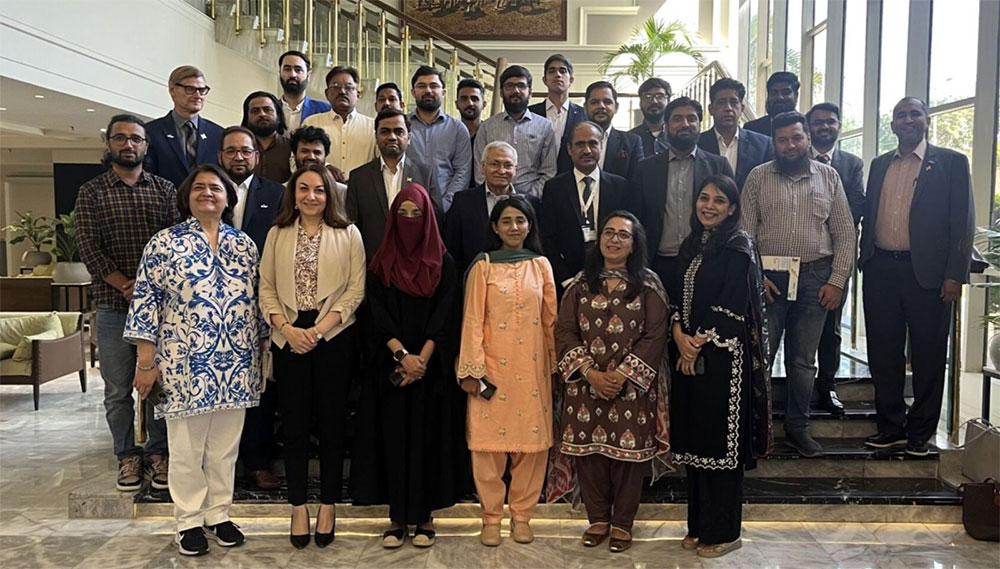
The event concluded with a high-level roundtable on Green Building Incentives, where government and private stakeholders discussed financial and policy mechanisms to promote sustainable development. The following day, participants attended workshops on the IFC’s Building Resilience Index (BRI), gaining practical tools to strengthen buildings against climate-related risks such as floods, heatwaves, and poor air quality.
Speakers and participants jointly affirmed that green and resilient construction is not just about infrastructure — it’s about creating healthier environments and safer communities for future generations.