
ISLAMABAD: Pakistan, in collaboration with the World Health Organization (WHO) and partners, has protected more than 160 million children and 130 million mothers through life-saving vaccines over the past five decades, marking one of the most significant public health achievements in the country’s history.
Since the launch of the Expanded Programme on Immunization (EPI) in 1978, vaccination efforts have averted an estimated 2.6 million child deaths from preventable diseases. Pakistan also eradicated smallpox in 1976, setting the foundation for a sustained immunization programme that continues to save lives.
According to WHO, Pakistan ranks among the top five countries globally in terms of absolute reductions in child mortality due to vaccination. Immunization is estimated to prevent up to 17 percent of all childhood deaths in the country, making it one of the most cost-effective public health interventions.
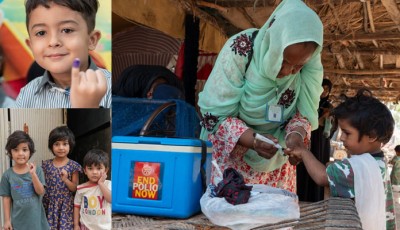
Significant progress has also been made in the fight against polio, with paralytic cases reduced by 99.8 percent since 1994—from approximately 20,000 cases to 31 reported in 2025. Additionally, Pakistan has achieved elimination of maternal and neonatal tetanus in Punjab, Sindh, Pakistan-Administered Kashmir, Islamabad Capital Territory, and Gilgit-Baltistan, ensuring that nearly 80 percent of the population now lives in areas free from neonatal tetanus as a public health threat.
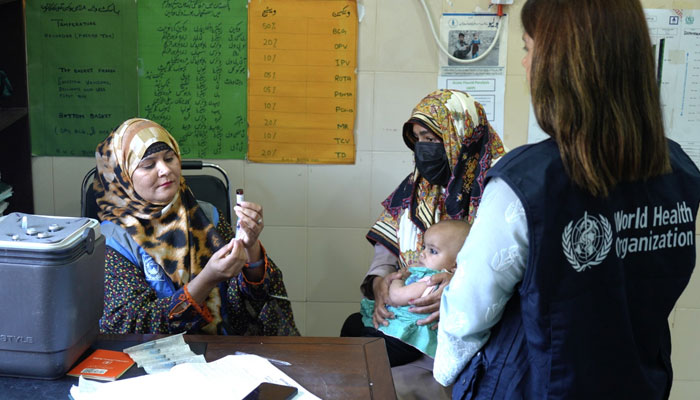
Each year, with support from Gavi, the Vaccine Alliance, WHO facilitates the immunization of over 7 million children and 5.5 million women against 13 vaccine-preventable diseases. Furthermore, around 45 million children are vaccinated annually against polio through supplementary campaigns.
To support these efforts, WHO has trained and mobilized more than 15,000 routine immunization vaccinators and over 400,000 frontline polio workers, making it the largest vaccination workforce globally.
Ahead of World Immunization Week (April 24 to May 1), WHO Representative in Pakistan Dr Luo Dapeng acknowledged the contributions of frontline health workers, scientists, and partners, emphasizing that vaccines remain a proven and reliable tool to protect children from deadly diseases.
Health experts note that beyond saving lives, vaccination programmes have prevented millions of cases of illness, disability, and hospitalization, reducing financial burdens on families and easing pressure on the healthcare system. WHO estimates that for every life saved through vaccination, an average of 66 years of healthy life is gained.
The continued success of Pakistan’s immunization programme reflects sustained collaboration between the government, international partners, and communities, reinforcing the critical role of vaccines in building a healthier future.