
KARACHI: The Pakistan Medical Association (PMA) has expressed serious concern over the growing impact of environmental degradation, climate change and pollution on maternal and child health, warning that the situation is rapidly emerging as a major public health emergency in Pakistan.
In a statement issued on the occasion of World Environment Day, PMA Secretary General Dr. Abdul Ghafoor Shoro said environmental conditions directly influence maternal and child health and nutrition. He noted that poor air quality, unsafe water, inadequate sanitation and climate-related disruptions are increasingly placing pregnant women and children at risk.
The PMA stated that rapid urban expansion and ecological degradation are creating a hostile environment for vulnerable populations, particularly mothers and infants. According to the association, medical evidence and frontline observations indicate that environmental hazards are already affecting birth outcomes and overall child health.
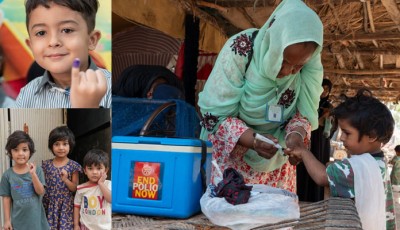
The association highlighted that extreme heatwaves and rising pollution levels are contributing to an increase in preterm births and low birth weight, while poor water sanitation continues to expose pregnant women and young children to preventable waterborne diseases. It further warned that climate-related disruptions to agriculture and food systems could significantly increase malnutrition, disproportionately affecting pregnant women and developing children.
Dr. Shoro said human health cannot be separated from environmental health, adding that when air becomes toxic, water contaminated and temperatures unbearable, mothers and infants bear the greatest burden. He emphasized that climate change is no longer a future threat but a present-day challenge affecting the health and well-being of millions of children.
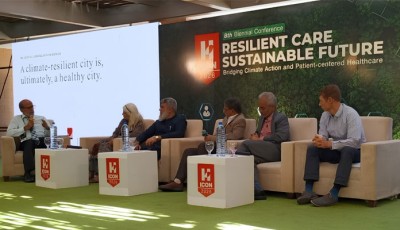
The PMA called on federal, provincial and local governments, as well as environmental agencies, to take immediate action to address the crisis. The association urged the development of climate-resilient healthcare infrastructure capable of protecting maternal and neonatal health during extreme weather events. It also called for stricter enforcement of air quality and industrial waste regulations to reduce toxic exposure in urban areas.
The PMA further recommended the adoption of nature-based solutions to help cool urban environments and improve air and water quality, as well as greater investment in climate-smart agriculture and clean water initiatives to strengthen food security and reduce climate-related malnutrition.
Reaffirming its commitment to public health advocacy, the Pakistan Medical Association said it is ready to work with policymakers, environmental experts and relevant stakeholders to integrate health-focused measures into national climate action plans.
"The time to safeguard the environment is now, for the sake of future generations," Dr. Abdul Ghafoor Shoro stated.