LAHORE: Pakistan Drug Lawyer Forum President Noor Muhammad Mahar has demanded an urgent, independent medical and administrative inquiry into reports of seven deaths among children suffering from thalassaemia amid a prolonged shortage of essential iron-chelation medicines at a government treatment centre in Punjab.
Referring to a news report, Mahar expressed serious concern over the reported four-month shortage of essential medicines at the government thalassaemia centre on Lahore’s Jail Road. The deceased children reportedly included two siblings, while affected families belonged to Okara, Kasur, Chunian and Mandi Bahauddin. Many of the families reportedly depend on daily wages and cannot afford expensive treatment from private healthcare facilities.
Mahar stressed that every reported death must be independently investigated to determine whether interruptions in essential treatment contributed to the fatalities.
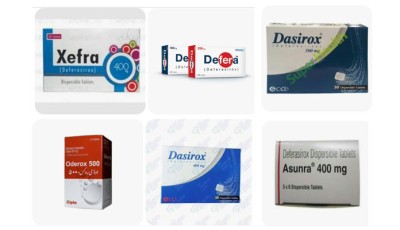
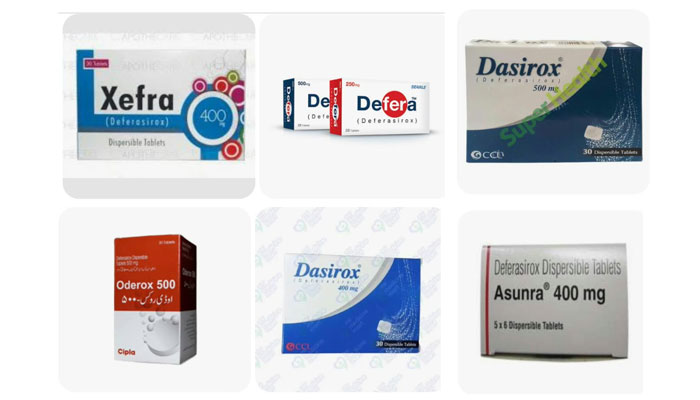
Iron-chelation medicines, including deferasirox, are essential for thalassaemia patients receiving repeated blood transfusions, as they help remove excess iron from the body and prevent potentially life-threatening damage to vital organs, including the heart and liver.
He warned that prolonged interruptions in the availability of these medicines could expose vulnerable children to serious health complications while placing an unbearable financial burden on low-income families.
According to the cited report, the centre’s director, Dr Farhan Rashid, stated that the initial procurement tender had failed to attract bidders and that a second tender process was under way.
Questioning the procurement delays, Mahar demanded that the Punjab government explain why emergency purchasing arrangements, reserve medicine stocks or transfers from other healthcare institutions had not been utilised to ensure uninterrupted treatment following the unsuccessful tender.
He called upon the provincial health authorities to conduct a comprehensive assessment of medicine stocks within 72 hours, announce a clear timetable for restoring supplies within seven days, and introduce financial assistance for eligible children covering essential medicines, diagnostic tests and safe blood transfusions within 30 days.
Mahar further demanded that federal and provincial authorities publicly disclose procurement, payment, delivery and patient-dispensing records covering the past five years to ensure transparency and accountability in the supply of thalassaemia medicines.
He emphasised that tender estimates and quoted medicine prices must not be presented as evidence of completed procurement or successful delivery of medicines to patients without verifiable documentation.
"Children need uninterrupted treatment and accountable public services," Mahar said, urging the authorities to treat the reported deaths as a matter of serious public health concern.
He maintained that any negligence, administrative failure or misconduct established through an independent investigation should result in appropriate action against those responsible.
Mahar also stressed that the government must establish a reliable medicine supply mechanism to prevent similar shortages and ensure that children suffering from thalassaemia are never deprived of life-saving treatment due to procurement delays or administrative inefficiencies.