
ISLAMABAD: The World Health Organization (WHO) has called on partners to intensify efforts to prevent a resurgence of malaria in Pakistan, warning that recent gains remain fragile despite a modest decline in cases.
On the occasion of World Malaria Day, observed on April 25 under the theme “Driven to End Malaria: Now We Can. Now We Must,” WHO emphasized that ending malaria within our lifetime is now a realistic goal, provided sustained and coordinated action is ensured.
According to WHO, Pakistan recorded a 10 percent reduction in malaria incidence in 2025 compared to 2024. However, the country still reported approximately 1.8 million cases, indicating that it has yet to fully recover from the surge triggered by the climate-driven floods of 2022. Malaria cases had sharply increased from 399,097 confirmed infections in 2021 to a peak of 2.7 million in 2023.
WHO cautioned that progress is at risk due to multiple challenges, including climate change, a global funding gap of 5.4 billion US dollars, and recent cuts in international health aid, all of which have impacted health systems, surveillance and prevention campaigns.
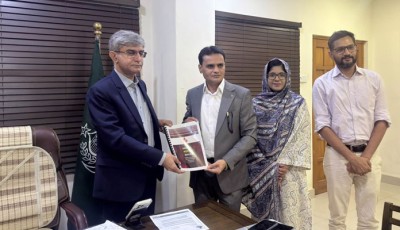
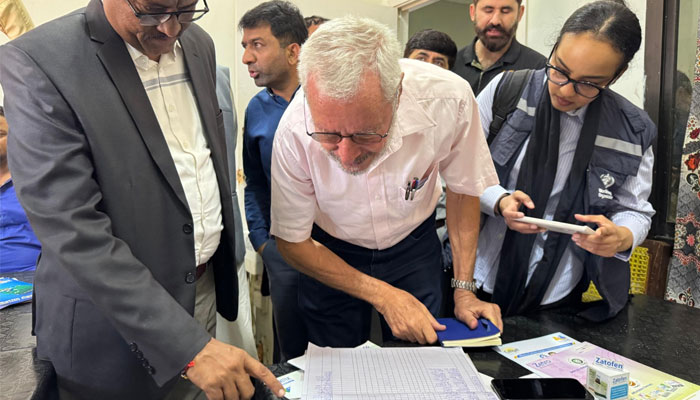
WHO officials reaffirmed their commitment to supporting Pakistan through technical assistance and evidence-based strategies. A country-led malaria programme review was conducted in April 2026, during which WHO experts visited health facilities across provinces to assess prevention, surveillance, case management, vector control and outbreak preparedness.
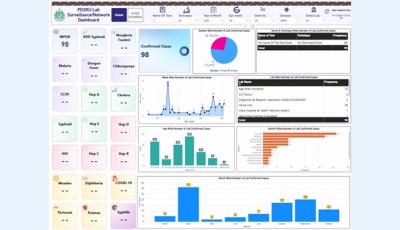
In 2025, Pakistan screened around 16.9 million suspected malaria cases and provided free treatment to most of the nearly 1.8 million confirmed patients, in collaboration with WHO, development partners, the private sector and civil society, with financial support from the Global Fund.
Over the three-year period from 2023 to 2025, approximately 12 million mosquito nets were distributed across the country to prevent transmission. WHO also highlighted the growing effectiveness of community-based case management, particularly in reaching underserved populations.
Malaria transmission in Pakistan remains concentrated in Balochistan, rural Sindh and certain districts of Khyber Pakhtunkhwa.
Globally, WHO reported that since 2000, an estimated 2.3 billion malaria cases and 14 million deaths have been averted due to coordinated international and national efforts. A total of 47 countries have been certified malaria-free to date, while 37 countries reported fewer than 1,000 cases in 2024.
WHO experts noted that malaria eradication is increasingly achievable with advancements in medical science, including new vaccines, treatments, vector control tools and emerging technologies such as genetically modified mosquitoes and long-acting preventive interventions.