
ISLAMABAD: As Breastfeeding Week 2025 concludes, the World Health Organization (WHO) has raised alarm over Pakistan’s low exclusive breastfeeding rates, which stand at just 48.4% for infants under six months – well below the World Health Assembly target of 60% by 2030.
According to data from Nutrition International’s Cost of Not Breastfeeding Tool, this gap results in an estimated US $2.8 billion in annual losses due to adverse impacts on public health. The low rates are linked to more than 33,700 deaths, 6.6 million cases of child diarrhoea, and 2.7 million school years lost each year. Pakistan also spends over US $888 million annually on breastmilk substitutes, which are less healthy for infants.
Under the global theme “Prioritize breastfeeding: Create sustainable support systems”, WHO reiterated that breastfeeding is one of the most effective ways to ensure a baby’s survival, development, and protection against diseases such as diarrhoea and pneumonia. It also delivers significant economic benefits, generating US $35 in returns for every dollar invested.
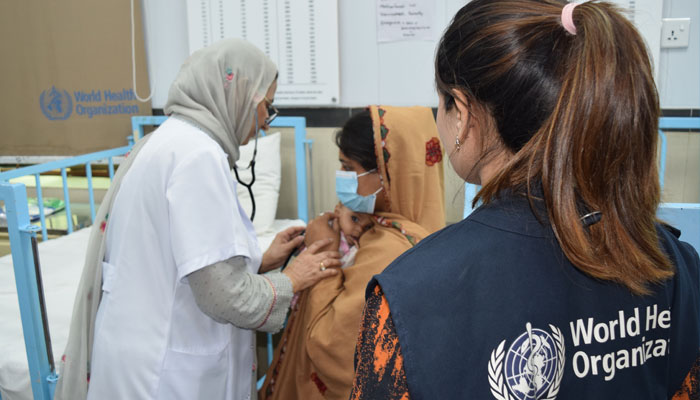
Since January 2024, WHO, in collaboration with the Government of Pakistan and partners, has provided breastfeeding counselling to over 172,000 mothers in 157 nutrition stabilization centres across the country. Other initiatives include training over 700 health workers, supporting legislation such as the Sindh Protection and Promotion of Breast-Feeding and Young Child Nutrition Act (2023), establishing lactation management rooms, developing IYCF guidelines, and conducting Baby Friendly Hospital Initiative (BFHI) trainings.
WHO pledged continued support to Pakistan in building sustainable breastfeeding support systems to improve child health and reduce preventable deaths.