

KARACHI: The Pakistan Medical Association has called for a shift towards patient-centred and personalised cancer care in Pakistan, warning that a “one-size-fits-all” approach is no longer sufficient to address the country’s growing cancer burden.
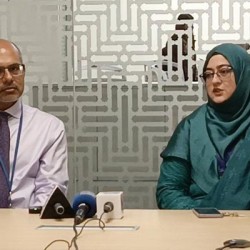
Speaking on the occasion of World Cancer Day 2026, observed globally under the theme “United by Unique,” Dr Abdul Ghafoor Shoro, Secretary General of the Pakistan Medical Association (Centre), said Pakistan currently reports more than 185,000 new cancer cases annually, reflecting both the scale of the challenge and the diverse biological and socio-economic realities faced by patients across the country.
Dr Shoro said cancer patterns in Pakistan are shaped by a complex interaction of genetics, environmental exposure, and lifestyle factors. Breast cancer remains the most prevalent malignancy, accounting for nearly a quarter of all reported cases, while oral cavity cancer continues to be disproportionately high due to the widespread use of smokeless tobacco products such as gutka, naswar, and paan. Lung cancer cases are also rising, particularly in urban centres, largely due to deteriorating air quality.
Highlighting the root causes of the national cancer crisis, he pointed to unchecked tobacco consumption, unregulated industrial pollution, and the continued prevalence of preventable viral infections. Chronic Hepatitis B and C remain major contributors to liver cancer, while human papillomavirus (HPV) continues to drive cervical cancer cases despite the availability of effective vaccines. He also noted that consanguineous marriages contribute to a higher incidence of inherited cancer syndromes, including colorectal and ovarian cancers.
Dr Shoro emphasised that the barriers faced by cancer patients in rural areas differ significantly from those encountered in major cities such as Karachi and Lahore, underscoring the need for healthcare strategies that are responsive to local realities and individual patient needs.
He urged the government to prioritise the establishment of a centralised national cancer registry to support evidence-based policymaking, strengthen enforcement against illicit and smokeless tobacco products, and reduce financial barriers that prevent timely cancer screening and early diagnosis.
Referring to preventive measures, Dr Shoro stressed the importance of annual mammography for women over the age of 40, regular cervical screening, full coverage of the Hepatitis B vaccine, expanded access to HPV vaccination for young girls, and lifestyle interventions aimed at reducing obesity-related cancer risks through healthier diets and regular physical activity.
The PMA reaffirmed its commitment to advocating for a healthcare system in which access to cancer prevention, diagnosis, and treatment is regarded as a right rather than a privilege, stressing that a shift towards early detection and precision-based care is essential to reducing cancer-related mortality in Pakistan.