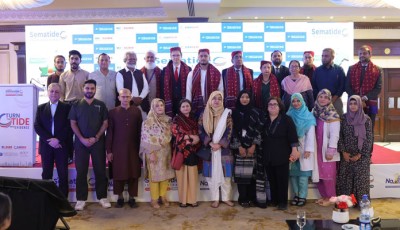

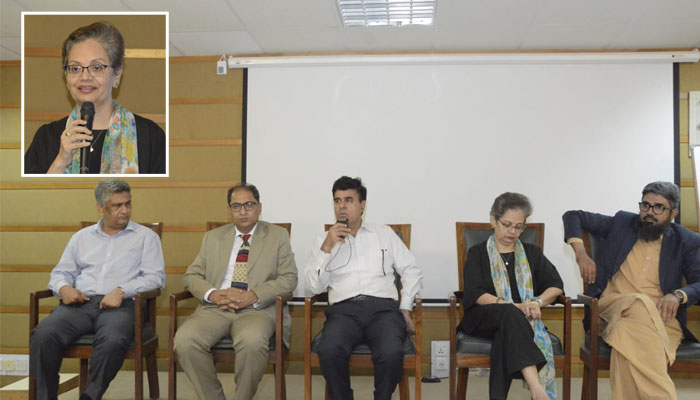
KARACHI: Media professionals from various beats, including education, science, crime, and health, participated in a one-day training session titled “Forensic DNA Awareness Session for Media Professionals,” organized by the Sindh Forensic DNA and Serology Laboratory (SFDL) at the International Center for Chemical and Biological Sciences (ICCBS), University of Karachi, on Thursday.
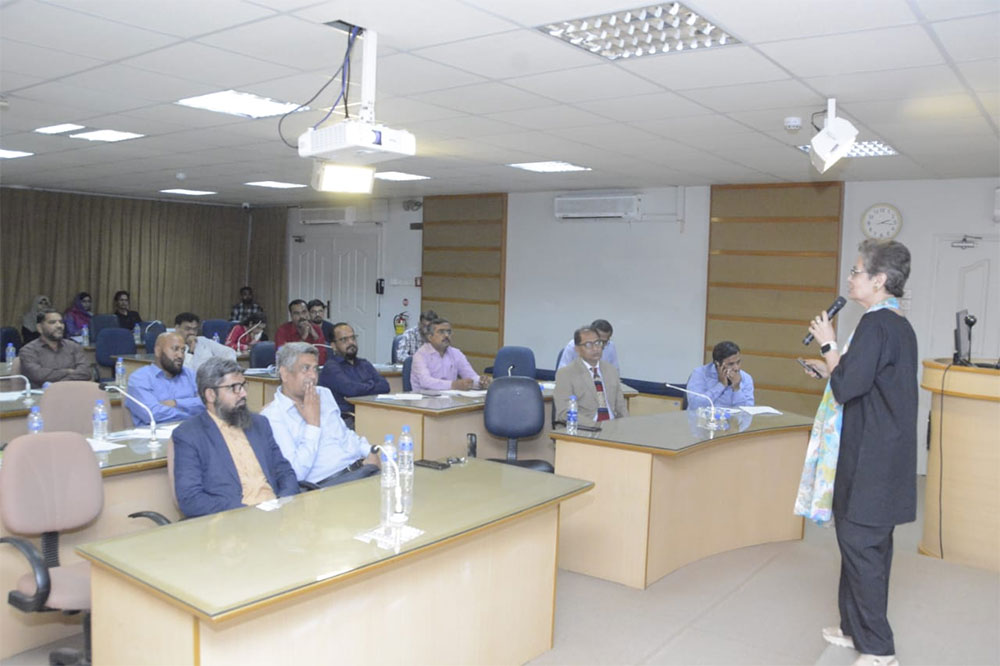
The session aimed to enhance journalists’ understanding of the technical and ethical dimensions of forensic DNA reporting, encouraging accurate, responsible, and evidence-based coverage of DNA-related cases in the media.
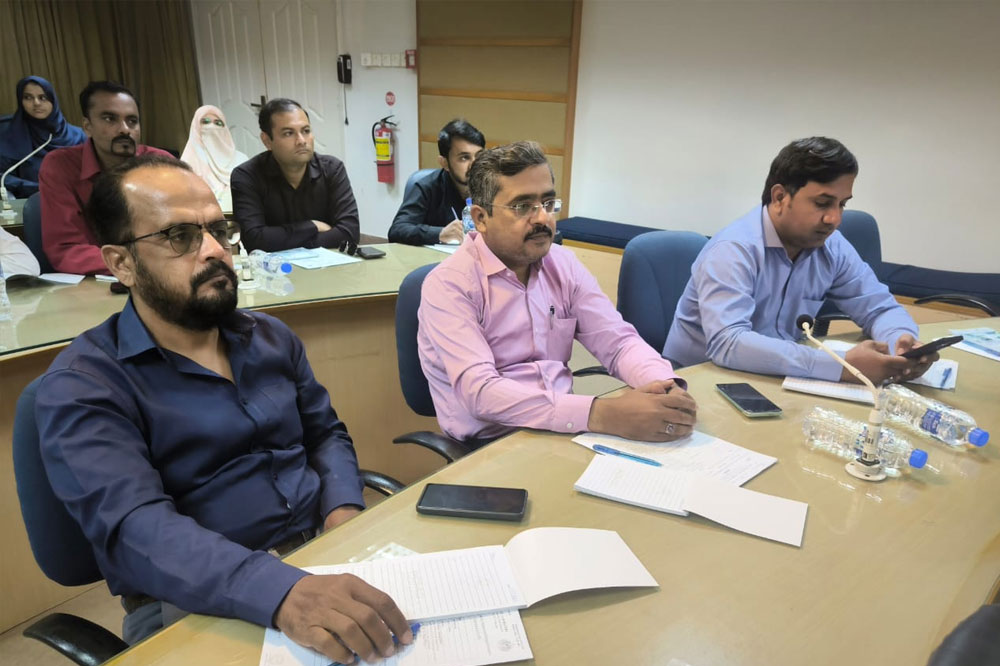
The event was jointly organized by SFDL, ICCBS, University of Karachi, and the Education Reporters Association Karachi, with active participation from members of the Health Reporters Association (HRA) and the Crime Reporters Association Karachi.
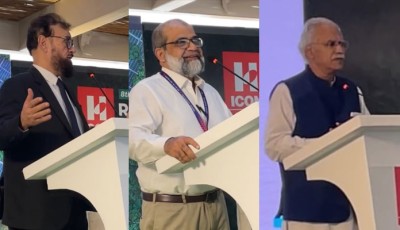
Prominent speakers included Prof. Dr. Muhammad Raza Shah, Director of ICCBS; Dr. Sumaiya Syed Tariq, Police Surgeon Karachi; Dr. Ishtiaq Ahmad Khan, In-charge and Project Director of SFDL; Amir Hasan, Director of the CPLC Shanakht Project; and Dr. Amir Hussain, Legal Adviser to SFDL.
In his inaugural address, Prof. Dr. Raza Shah highlighted the importance of collaboration between scientific institutions and the media, noting that accurate and ethical communication of DNA evidence is crucial for public awareness and the integrity of the justice system. He said that since its establishment, SFDL has played a vital role in major disaster responses and high-profile criminal investigations.
Dr. Ishtiaq Ahmad Khan emphasized the need for media training on DNA reporting, explaining that forensic evidence plays a pivotal role in criminal investigations, paternity disputes, and disaster victim identification. He said that responsible reporting can help shape public trust in science and justice. He informed participants that SFDL has produced over 9,500 high-quality forensic reports, covering a wide range of DNA and serology investigations.
Dr. Sumaiya Syed Tariq spoke about media ethics in health and forensic reporting, stressing the need for journalists to verify facts, use precise terminology, and avoid speculation or sensationalism in sensitive cases. She urged closer collaboration between journalists and scientific authorities to prevent misinformation.
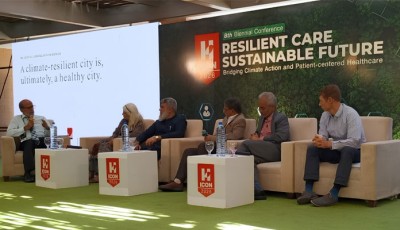
The event concluded with a vote of thanks by Dr. Syed Jafar Askari, Media Advisor at ICCBS, followed by an interactive panel discussion focused on strengthening the relationship between the scientific community and the media for effective and ethical public communication.