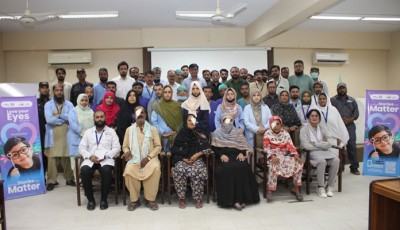

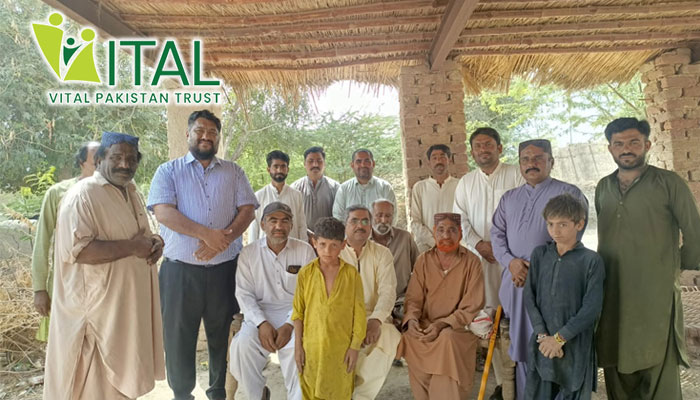
KARACHI/LARKANA/KAMBER SHAHDADKOT: A field visit conducted by Health Matters Media in remote union councils of Larkana and Kambar Shahdadkot districts has found notable improvements in routine immunization coverage, particularly among zero-dose and previously missed children, within a relatively short period of intervention, while also highlighting persistent structural challenges in accessing healthcare in hard-to-reach areas.
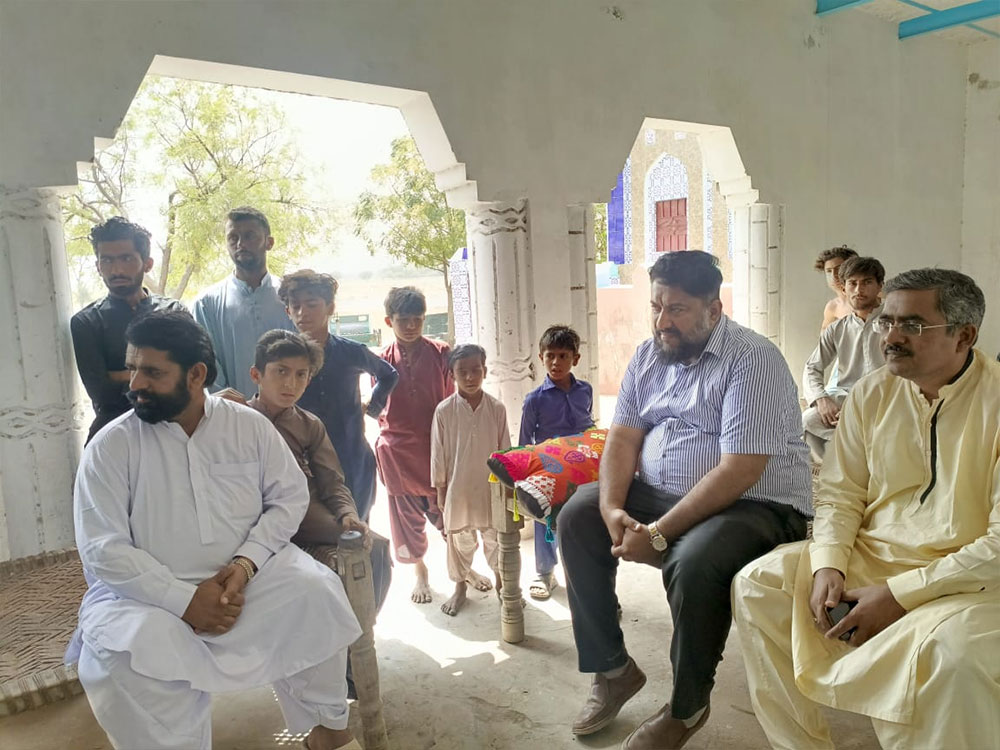
We travelled last week from Karachi to Larkana, and Kambar Shahdadkot, covering long distances to reach scattered rural settlements. Despite rainfall on both days, we, accompanied by field teams, accessed multiple villages on foot through muddy tracks to observe vaccination activities, outreach efforts, and community response firsthand.
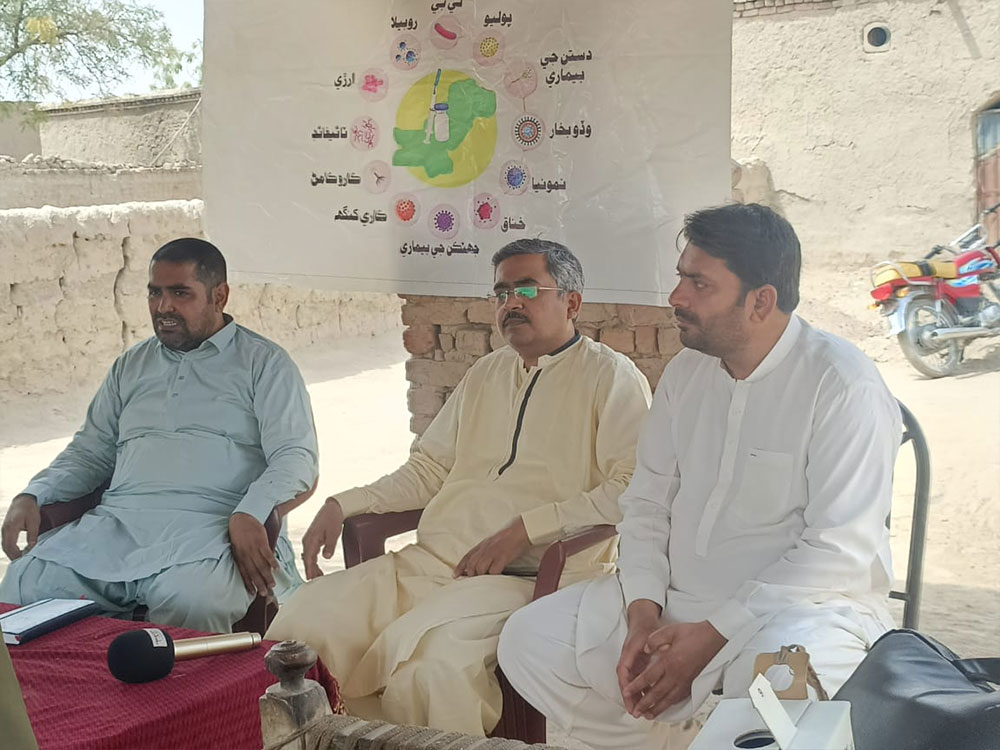
The assessment focused on three union councils- Qubo Saeed Khan, Dost Ali, and Khabar- areas historically marked by low Expanded Programme on Immunization (EPI) coverage, a high burden of zero-dose children, and significant access barriers due to geography and poverty. In many cases, EPI centers are located several kilometers away from villages, making routine immunization difficult for families, particularly daily wage earners.
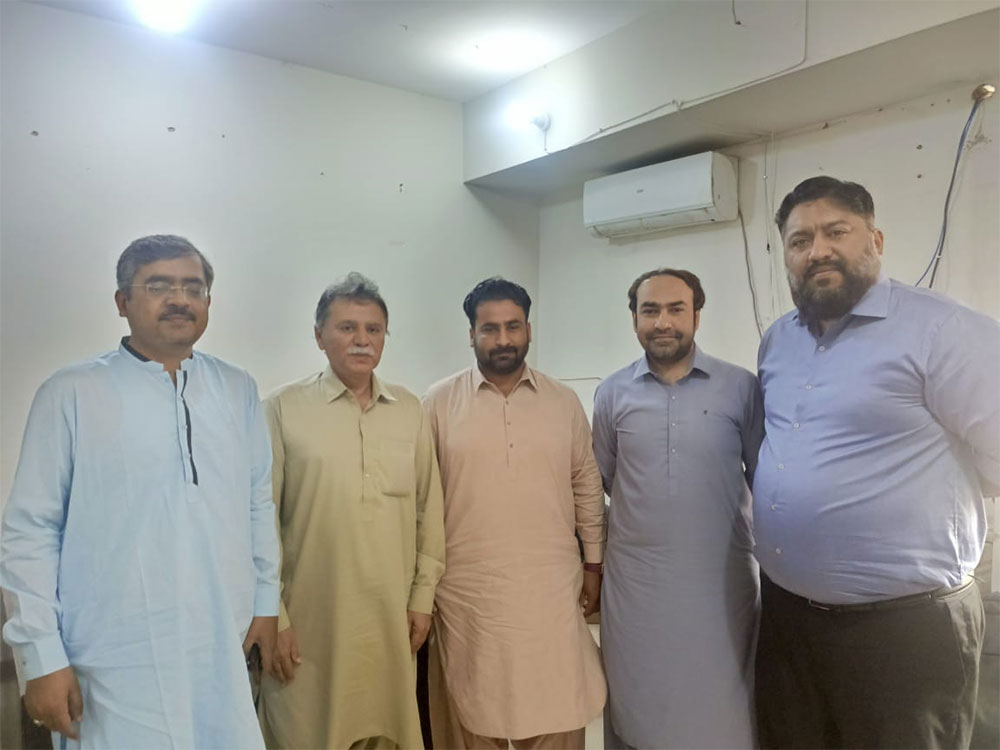
District health officials acknowledged that these challenges have persisted for years. Additional District Health Officer Dr Altaf Hussain stated that although the district was established in 2004, vaccinators were only appointed in 2019, leaving large populations unreached and contributing to repeated outbreaks of vaccine-preventable diseases, including measles. He noted that in the past, hundreds of zero-dose children were reported in these areas due to weak outreach and limited mobility.
Field observations and official briefings indicate that the situation has improved in recent months. According to district teams, immunization coverage in some targeted union councils has increased significantly, with a visible reduction in zero-dose children. Officials highlighted that areas such as Qubo Saeed Khan, located near the Balochistan border, have shown marked progress compared to previous years.
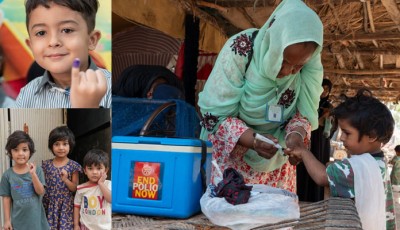
According to Usman Ali Ahmed, Manager Business Strategy and Immunization Uptake at VITAL Pakistan Trust, the intervention began approximately nine months ago under a Civil Society Organization (CSO) funding mechanism supported by Gavi, the Vaccine Alliance, focusing specifically on high-risk and hard-to-reach populations. He said the strategy combined identification of zero-dose children through household visits, tracking of missed and defaulter cases, and regular outreach vaccination sessions in areas where routine services were previously inaccessible.
He further noted that one of the key operational shifts was moving from facility-based service delivery to active community outreach, supported by improved mobility and cold chain arrangements, which allowed teams to carry vaccines safely to distant settlements and conduct sessions closer to communities.
Health officials and field teams confirmed that earlier, vaccinators often faced difficulty reaching remote areas and concerns over vaccine wastage limited outreach activities. With the availability of transport and structured field planning, these constraints have been partially addressed, enabling more consistent service delivery.
Community engagement has also contributed to improved uptake. Parents who were previously hesitant- particularly due to concerns about post-vaccination fever- are now more receptive following repeated counseling and facilitation by field teams. Outreach services have reduced the need for long-distance travel, which was a major barrier for working families.
Data reviewed during the visit reflects improving trends in the uptake of key vaccines, including BCG, pentavalent doses, and measles, although variations across months and locations indicate that progress remains uneven and requires sustained follow-up.
District officials, including Barkat Ali Siyal, Dr Altaf Hussain, and District Supervisor Vaccination Waseem Ahmed, also highlighted improved coordination between public health teams and supporting organizations, particularly during outbreak situations such as measles, where joint efforts helped manage the response.
The field visit indicates that targeted outreach, improved mobility, and continuous engagement can contribute to reducing zero-dose children and strengthening routine immunization systems, even within a relatively short period. However, challenges related to geography, access, and socio-economic conditions persist, underscoring the need for sustained interventions to maintain and expand these gains.