

We are slowly drifting away from human interaction and moving closer to machines. Our eyes remain glued to screens whether we are at home, at work, in transit, or even thousands of feet in the air. And now, with artificial intelligence seamlessly taking over tasks we once handled ourselves — writing, editing, organizing, analyzing — a profound question emerges:
Will AI eventually replace doctors? Will machines diagnose and treat us better than humans?
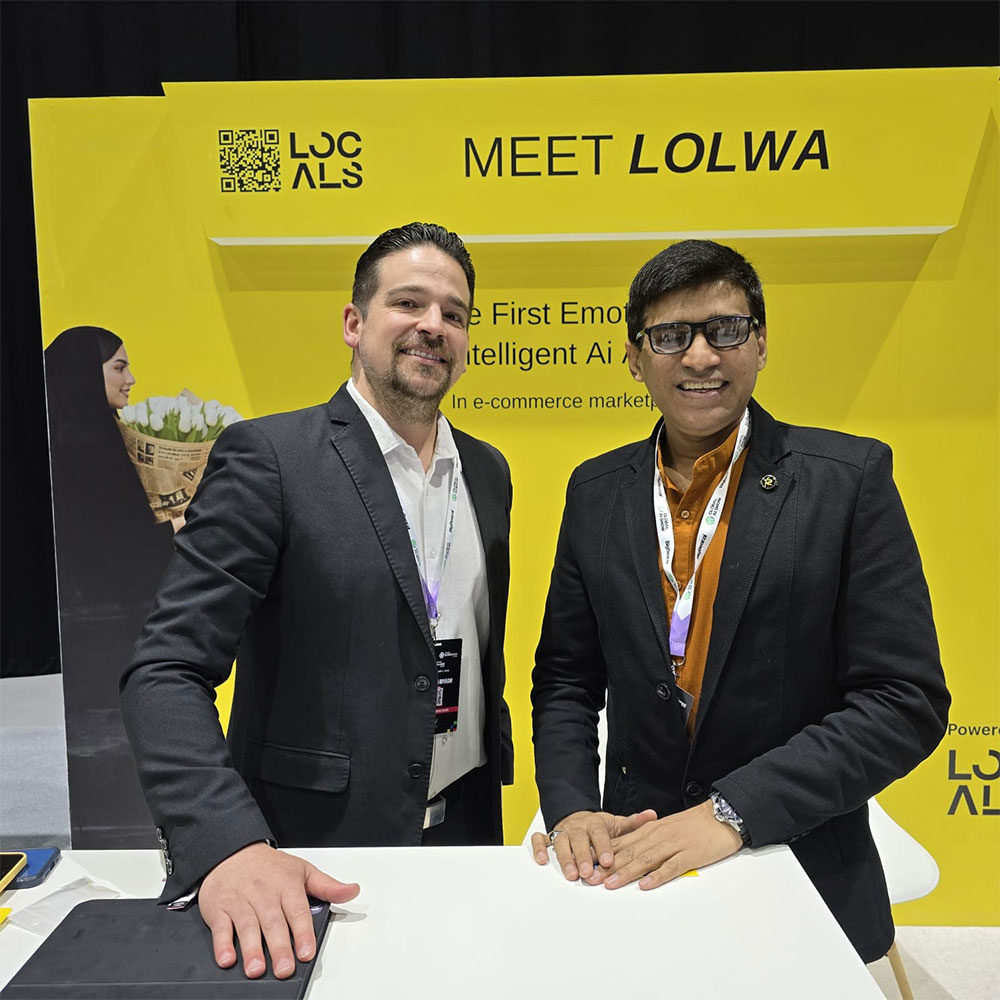
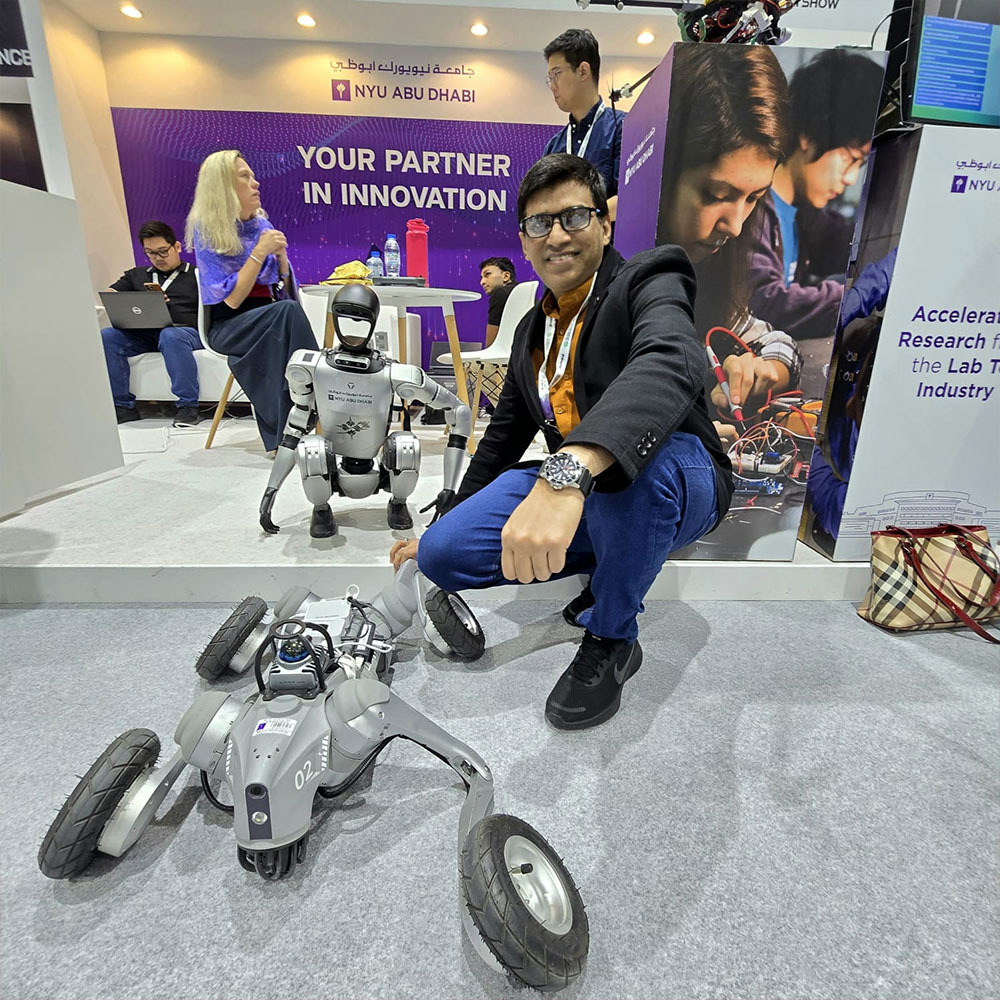
My visit to the Global AI Show at Space Arena24 in Abu Dhabi — the biggest AI event ever held in the UAE — offered an unsettling yet fascinating glimpse into the future. It felt less like a tech exhibition and more like stepping into a world that has already begun transforming around us while we were still debating “what if.”

From the moment you entered the hall, it became clear: AI is no longer experimental. It is decisive, powerful, and already reshaping healthcare.

AI That Diagnoses in Seconds
Among dozens of conversations with innovators, one stood out — a discussion with the CEO of Systhema Strategy, a leading French AI company working at the frontier of medical decision-making. He described a system capable of processing customized patient data — with consent — and instantly generating a full diagnostic and treatment plan, complete with recommended investigations and precise medication dosages.

Imagine a doctor not rummaging through layers of clinical reasoning but reviewing AI-generated conclusions, backed by thousands of real-world cases analyzed within seconds.
If a machine can:
- analyze symptoms more accurately than human memory,
- interpret scans without fatigue,
- compare global clinical histories within moments, and
- calculate drug dosages without human error,
Then a difficult question arises:
What will be the doctor’s role in 2035?
And if such diagnostic tools become accessible to individuals, will people start performing basic assessments at home long before seeing a physician?
Why Doctors Still Matter
For all its brilliance, AI cannot replicate human empathy, ethical reasoning, or emotional intelligence. The future doctor is unlikely to disappear — but their role will evolve.

Physicians will become:
- interpreters of AI insights,
- supervisors of clinical decisions,
- providers of reassurance and context,
- protectors of patient dignity and ethics.
- AI may read the data, but only humans can care.
AI Entering Personal and Mental Health Spaces
Another striking moment at the event was my conversation with a company building an AI-driven employee well-being platform. Their concept includes a wearable device that tracks:
- steps,
- sleep cycles,
- stress markers,
- early signs of depression.
The data would be sent in real time to HR teams, allowing early intervention. Picture a notification saying:
“Your stress levels are rising — take a walk and reset.”
A powerful idea — but one that raises serious questions about privacy, consent, mental health confidentiality, and the ethics of tracking someone’s emotional life through data.
The Real Challenge Ahead
The message of the Global AI Show was unmistakable:
We are entering an age where machines will perform much of our cognitive labor — diagnosing illnesses, managing well-being, interpreting emotions, and making rapid, evidence-based decisions.
This doesn’t diminish human intelligence. It redefines how we use it.
The real challenge is not whether AI works.
It already works astonishingly well.
The challenge is:
- How responsibly will we integrate it?
- How do we protect privacy and ethics?
- How do we ensure technology augments rather than replaces human judgment?
AI Will Assist, Not Replace Doctors
Machines can scan faster, think faster, and analyze faster — but they cannot comfort a patient, hold a hand, or understand fear. They cannot replace the intuition, ethical reasoning, or compassion of a human physician.
AI may help heal the body, but only humans can heal fear.
As AI evolves, we must evolve too — learning, adapting, and strengthening what I call PI: Personal Intelligence.
We don’t need to compete with AI. We need to become better humans.
And in this future shaped by algorithms, one truth remains:
AI will support doctors — but it will never replace them.