
KARACHI: Medical experts have warned that hundreds of people living with cystic fibrosis (CF) in Pakistan may remain undiagnosed due to limited awareness, lack of routine screening, and restricted access to specialized diagnostic facilities, resulting in delayed treatment and poor health outcomes.
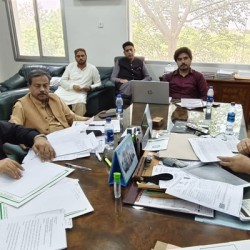
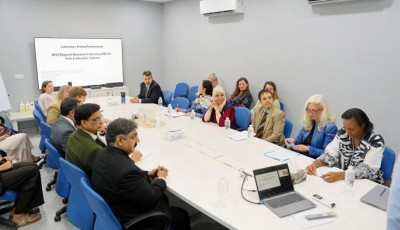
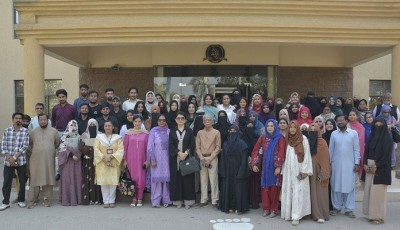
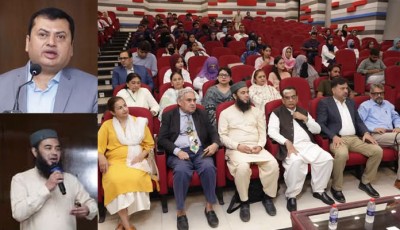
The concerns were highlighted during a media awareness session on cystic fibrosis organized by the Indus Hospital & Health Network in Karachi. The session brought together national and international experts to discuss the importance of early diagnosis, improved awareness, and equitable access to specialized care for patients suffering from the rare genetic disorder.
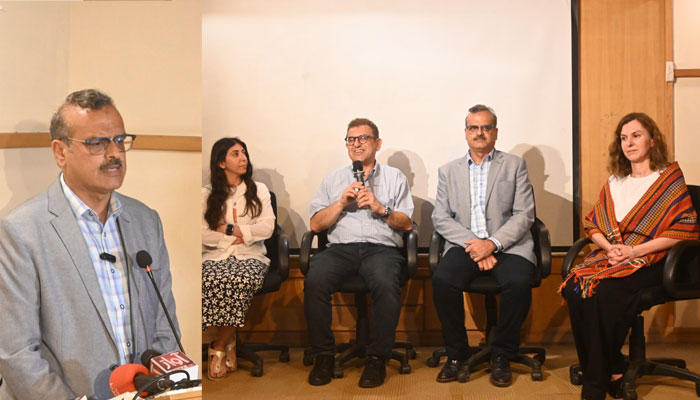
The session was led by Dr. Muhammad Fareed Uddin along with a delegation from the Marmara Cystic Fibrosis Team, Türkiye, including Prof. Dr. Bulent Karadag, Prof. Dr. Yasemin Gökdemir, Prof. Dr. Özge Keniş Coşkun, Ms. Damla Kocaman and Ms. Gamze Taştan.
Speaking at the event, Dr. Fareed said that a large number of cystic fibrosis patients in Pakistan remain undiagnosed, particularly in rural and underserved areas where awareness and access to diagnostic services are limited. He noted that children suffering from recurrent chest infections, chronic cough, poor weight gain, chronic diarrhea, or persistent respiratory symptoms are often diagnosed late, leading to irreversible lung damage before appropriate treatment can begin.
He said more than 200 patients are currently enrolled in the IHHN I HEAL Cystic Fibrosis Program, where they receive multidisciplinary care and long-term follow-up. According to him, many more children and adults across the country may still be living with undiagnosed cystic fibrosis.
Dr. Fareed stated that specialized cystic fibrosis care was previously largely unavailable in Pakistan, forcing many families to either seek treatment abroad or remain without proper management. He said the Indus Hospital & Health Network is now providing comprehensive cystic fibrosis care free of cost, including diagnostics, medications, nutritional support, pancreatic enzyme therapy, physiotherapy services, and access to advanced treatment pathways.
He added that cystic fibrosis treatment is among the most expensive chronic disease therapies globally and places a heavy financial burden on families. However, the hospital is striving to ensure that no child is deprived of treatment because of financial constraints.
Experts also highlighted the absence of a national cystic fibrosis registry in Pakistan, making it difficult to determine the true burden of the disease. Available estimates suggest a prevalence of approximately one case per 10,000 people in high-risk populations, although specialists believe the actual number may be significantly higher due to underreporting and missed diagnoses.
The visiting Turkish experts shared their experience in delivering multidisciplinary care through teams comprising pulmonologists, physiotherapists, dietitians, nurses, and other specialists. They emphasized that coordinated care significantly improves lung function, nutritional status, and overall quality of life for patients.
Participants were also briefed on advanced CFTR modulator therapies, including Trikafta, which target the underlying genetic defect responsible for the disease. Experts noted that these therapies have transformed cystic fibrosis treatment in many high-income countries but remain largely inaccessible in low- and middle-income nations.
The session also highlighted the I HEAL Cystic Fibrosis Program, under which more than 250 suspected patients have been screened and a structured care pathway established, including specialized clinics, genetic testing, nutritional rehabilitation, and enzyme replacement therapy.
The experts called for urgent national action, including the establishment of a national cystic fibrosis registry, expansion of diagnostic and genetic testing facilities, introduction of newborn screening programs, and nationwide awareness campaigns to facilitate early detection and timely treatment.
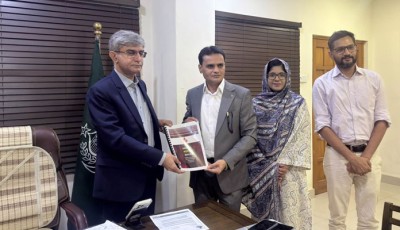
The session concluded with a commitment from Pakistani and Turkish experts to strengthen collaboration and expand awareness, diagnosis, and treatment initiatives for individuals living with cystic fibrosis in Pakistan.