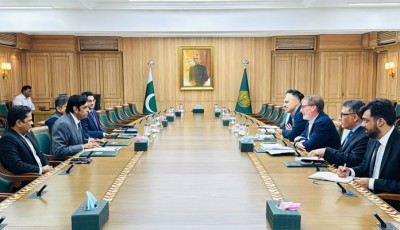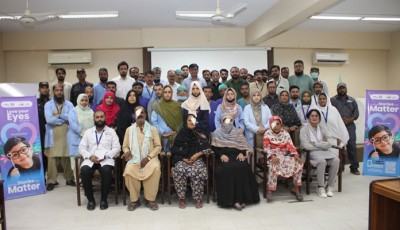

KARACHI: In a significant move to enhance care for children with hemophilia and rare bleeding disorders in Sindh, the Hemophilia Welfare Society Karachi (HWSK) held a preliminary high-level meeting with the leadership of the National Institute of Child Health (NICH) to explore avenues for a strategic partnership.
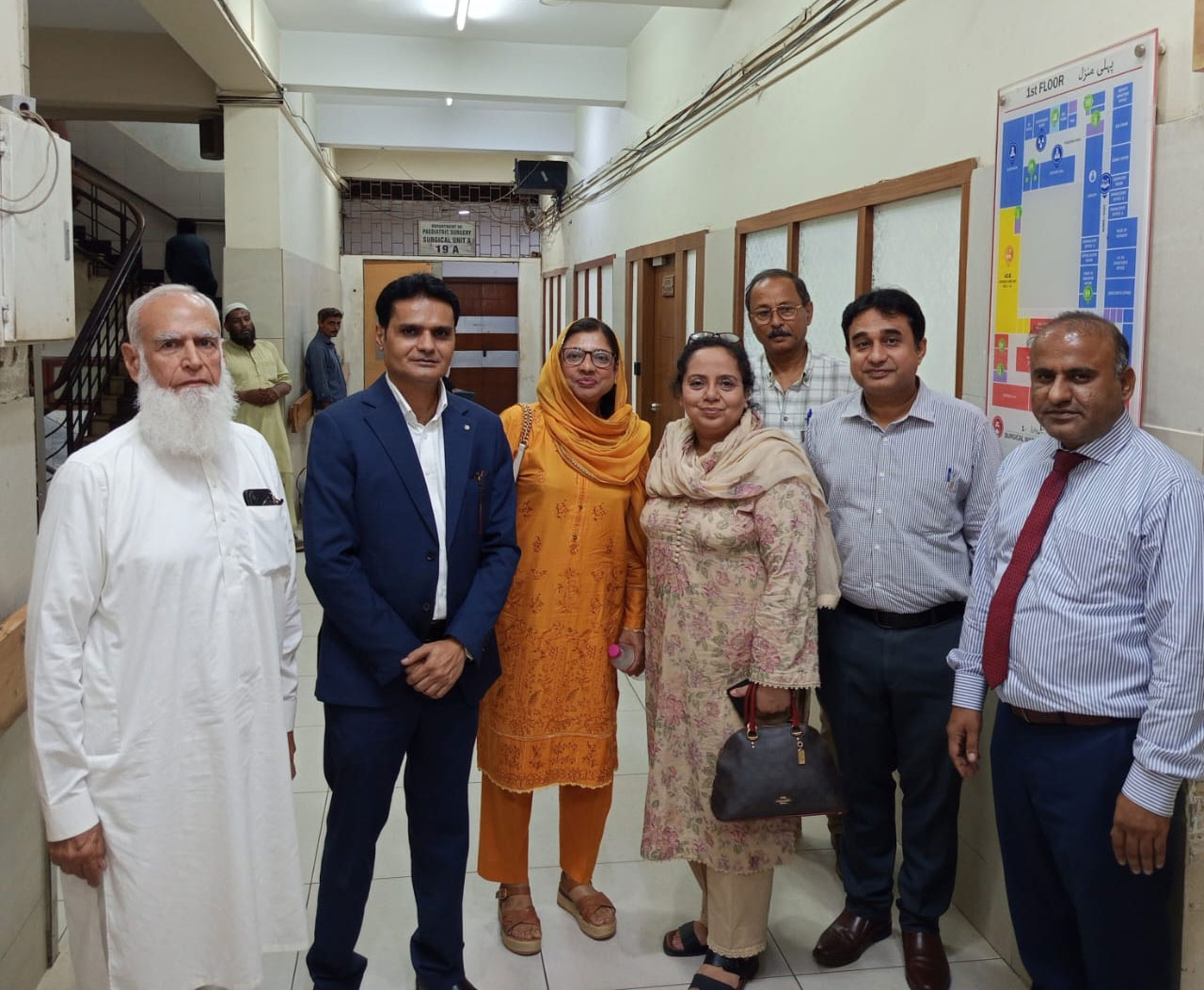
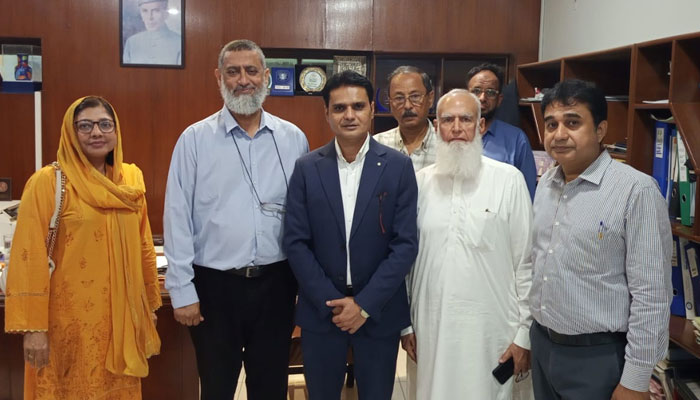
The HWSK delegation, led by Founder & CEO Raheel Ahmed, along with President Mr. Anis ur Rehman, Dr. Munira Borhany (MD-HWSK), Executive Member Mr. Farhan, and Mr. Syed Muhammad Arshad, was warmly received by Dr. Nasir Saleem Sadal, Executive Director of NICH. Senior specialists including Prof. Dr. Mohsina Noor, Consultant Endocrinologist, and Dr. Arit Parkash, Pediatric Gastroenterologist, also joined the dialogue.
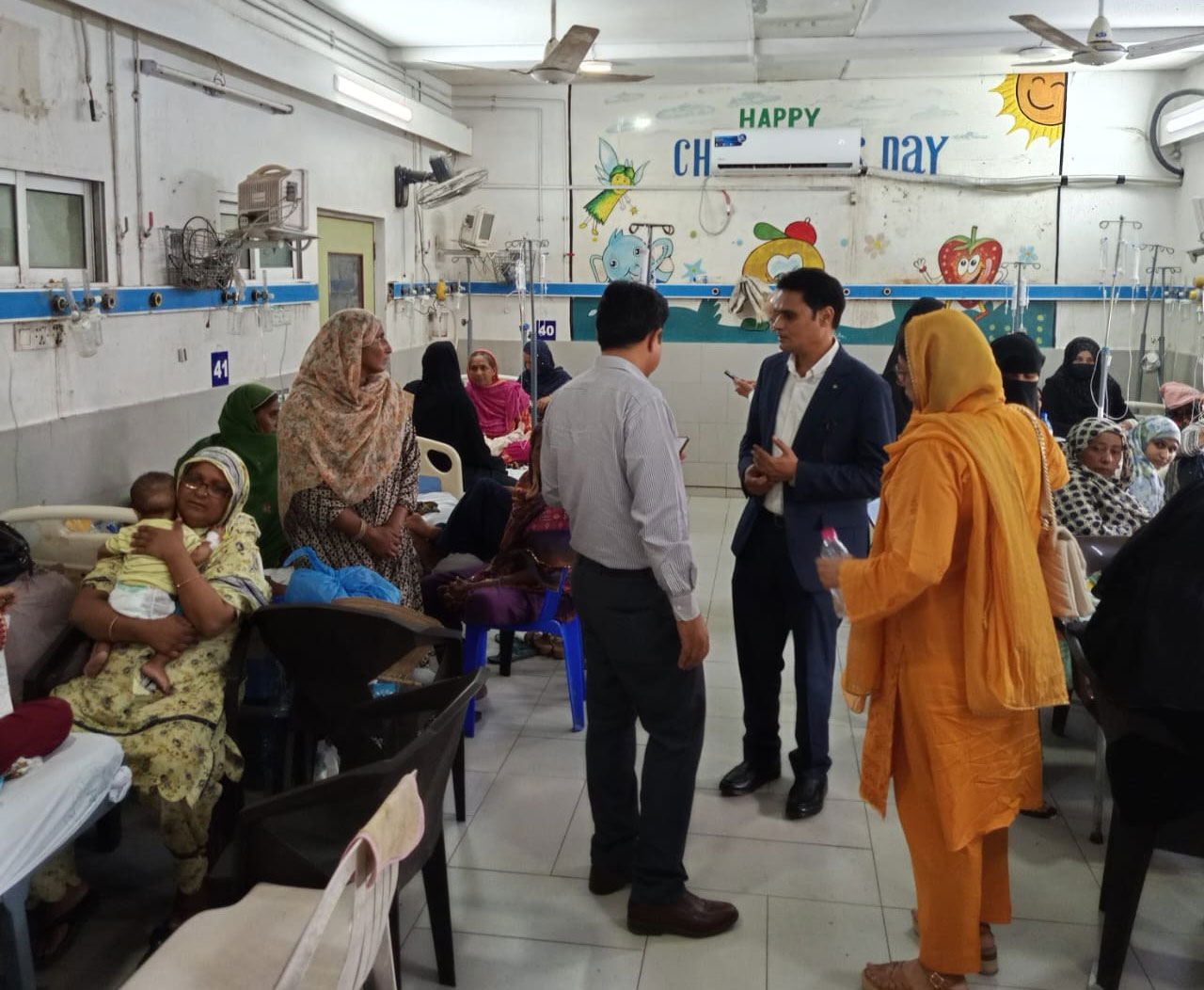
This preliminary engagement focused on laying the foundation for collaborative efforts aimed at improving diagnosis, treatment, and referral systems for pediatric hemophilia patients. The HWSK team proposed the establishment of a dedicated Hemophilia Ward at NICH under a public-private partnership model—one that integrates community-based expertise with clinical capacity.
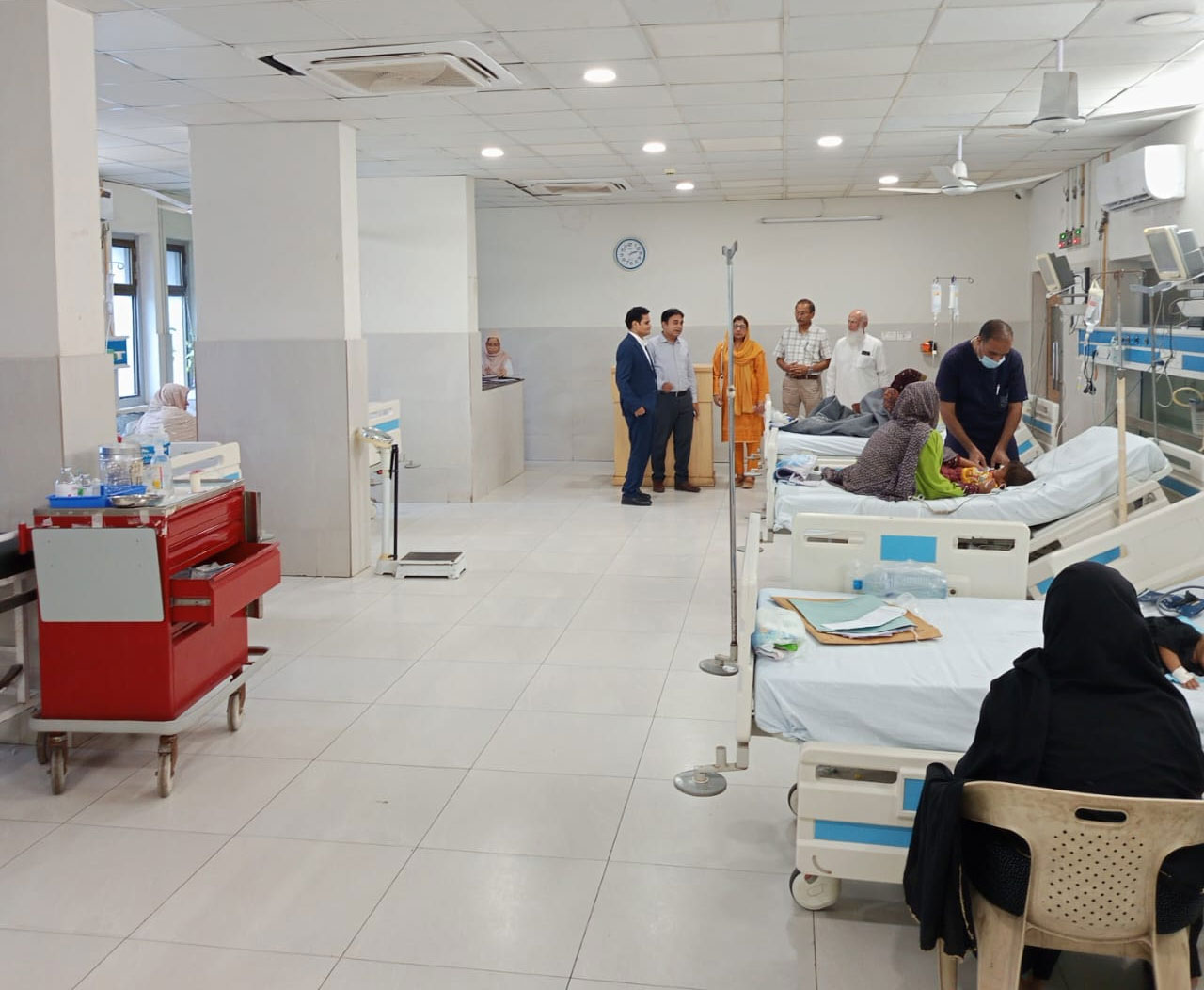
During the meeting, the NICH team led the HWSK delegation on a guided tour of the hospital’s pediatric care units. The visitors expressed admiration for NICH’s commitment to managing complex childhood illnesses and underscored the urgent need to embed hemophilia-focused services within such a tertiary care facility.
As Sindh’s largest children’s hospital, NICH plays a vital role in treating childhood illnesses and training pediatric specialists. The integration of HWSK’s experience in hemophilia care—through grassroots outreach, clotting factor provision, and rehabilitation—could transform the accessibility and quality of care for affected families across the province.
“Establishing a dedicated hemophilia unit at NICH would not only improve health outcomes for children but also alleviate the financial and emotional burdens on families forced to travel for treatment,” stated the HWSK leadership.
HWSK has been at the forefront of advocating for bleeding disorder care in Pakistan. Their public-private partnerships, patient support programs, and consistent policy engagement have been instrumental in bridging healthcare gaps in this critical area.
Both organizations have committed to continuing technical discussions, joint needs assessments, and the development of clinical protocols to operationalize the collaboration. The proposed Hemophilia Ward would represent a pioneering model for pediatric bleeding disorder management within the public sector.
This meeting signals a hopeful beginning for children with hemophilia in Sindh, bringing closer the vision of equitable, quality, and timely care for all.