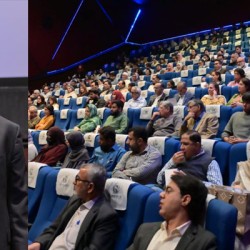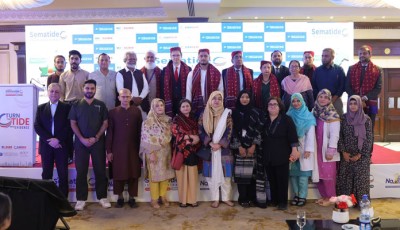

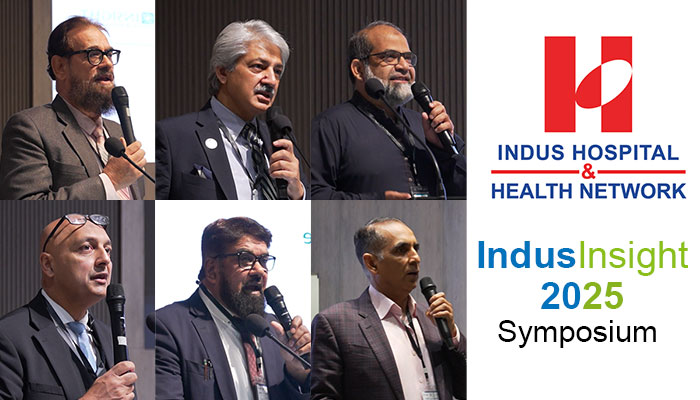
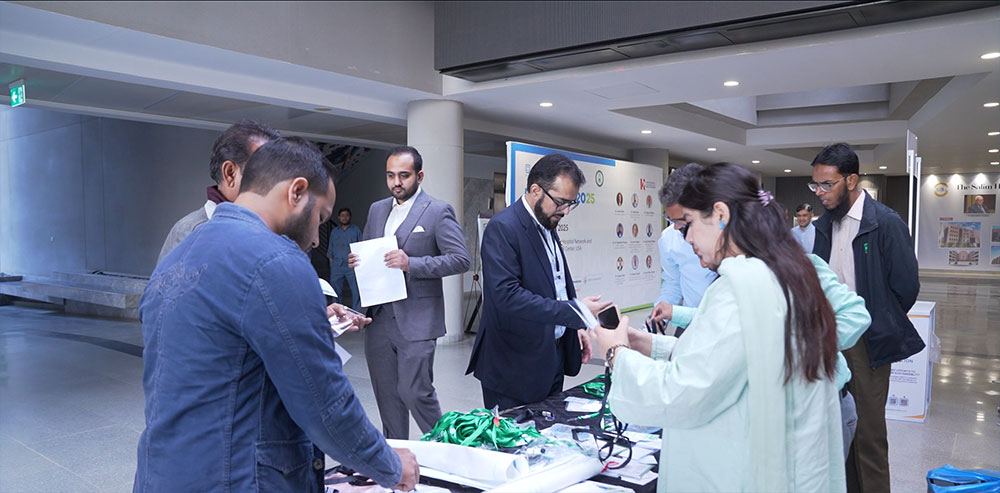
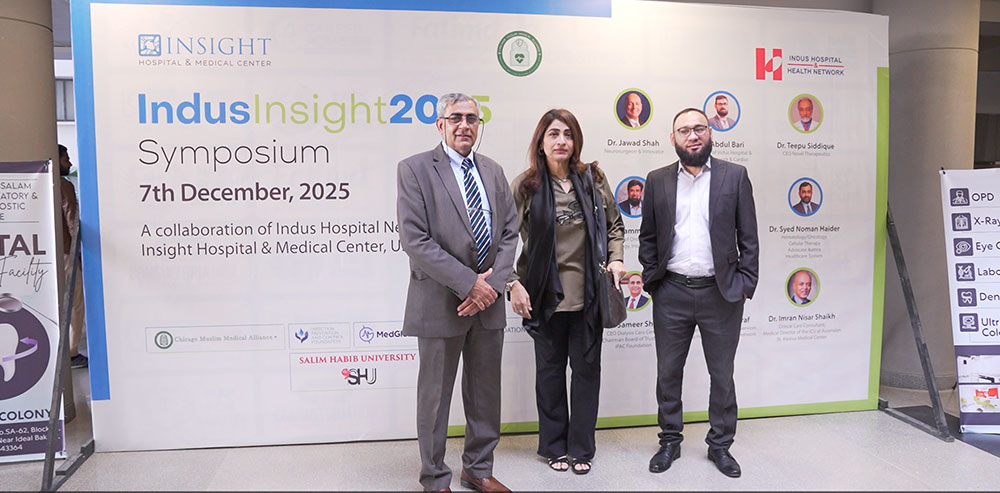
KARACHI: The Indus Hospital & Health Network (IHHN), in partnership with Insight Hospital & Medical Center, Chicago, hosted the inaugural Indus Insight 2025 Symposium, an international gathering aimed at shaping Pakistan’s first integrated Center of Excellence in Neuroscience, Oncology, Genetics, Cellular Therapy, Pulmonary & Critical Care, and Nephrology. The event took place at Salim Habib University, followed by a leadership roundtable at Governor House Karachi.
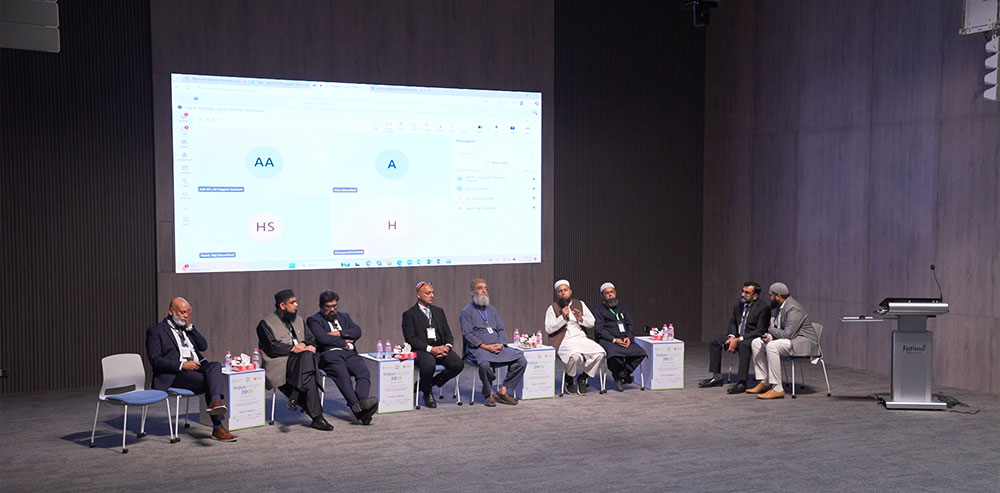
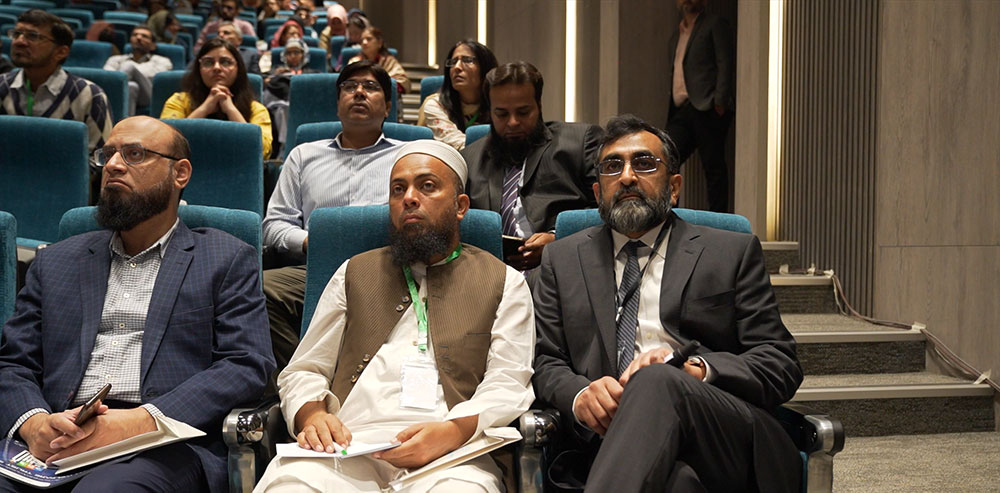
The symposium brought together senior clinicians, scientists, and policy leaders from Pakistan and the United States to chart a collaborative roadmap for advanced clinical care, research development, and training programs.
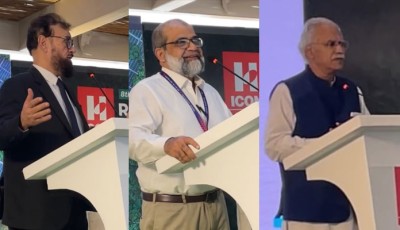
Delivering the keynote address, Dr. Jawad Shah, President of the Insight Institute of Neurosurgery & Neuroscience (USA), said the initiative aims to unlock Pakistan’s clinical potential through structured global partnerships. He stressed that medical talent must be supported by systems that integrate research, training, and service delivery.
Dr. Abdul Bari Khan, Founder and President of IHHN, emphasized equitable access to specialized care, noting that the collaboration represents a commitment to making high-end neuroscience, oncology, and genomic treatments accessible to all segments of the population.
Renowned neurologist Dr. Teepu Siddique, CEO of Novel Therapeutics, highlighted the need for Pakistan’s first dedicated Genetics Institute, stating that genomic advancements could significantly improve early diagnosis and personalized treatment options nationwide.
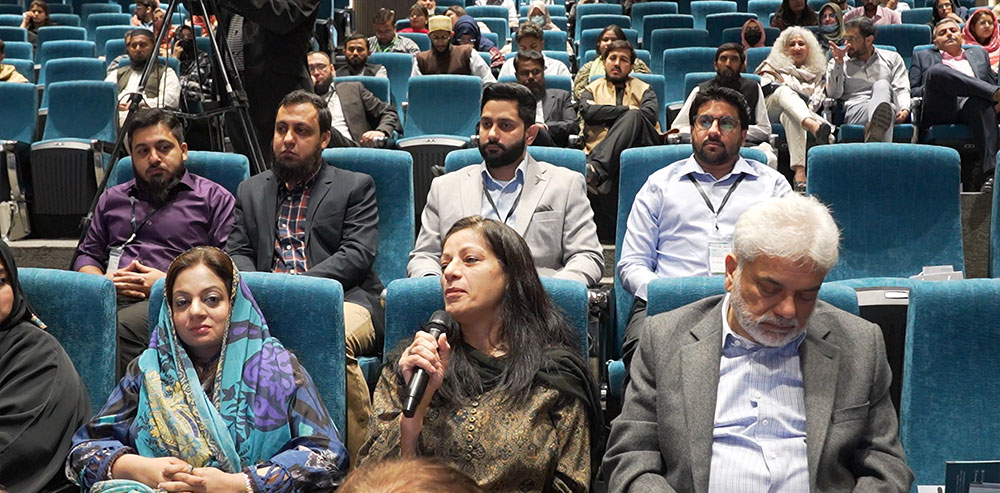
Throughout the symposium, experts discussed capacity-building needs, specialty-specific gaps, and models for clinical integration. U.S.-based faculty presented frameworks such as virtual tumor boards, standardized clinical pathways, and critical care protocols to strengthen Pakistan’s healthcare systems.
Dr. Muhammad Shamvil Ashraf, Executive Director Medical Services at IHHN, underscored the need to embed evidence-based practices and quality systems across clinical operations.
In pediatric oncology, Dr. Syed Ahmer Hamid, Senior Consultant at IHHN, stressed the importance of global collaboration to bring advanced treatments and training to children in Pakistan.
International experts including Dr. Zahir Sahloul, Dr. Tajammul Hussain, Dr. Amir Arain, Dr. Sameer Shafi, Dr. Sarki Abdulkadir, Dr. Anwer Hussain, Dr. Imran Nisar Shaikh, Dr. Amin Ur Rehman Nadeem, Dr. Syed Irfan Hyder, and Dr. Noman Haider contributed recommendations on standardized care pathways, research partnerships, and modernized clinical systems tailored to Pakistan’s needs.
Concluding the event, Acting CEO of IHHN Dr. Amin Chinoy thanked all partners and experts, noting that the symposium marks the start of a long-term academic and institutional alliance. He confirmed that joint working groups will now begin developing the structure for the proposed Center of Excellence and the Genetics Institute.
The symposium ended with commitments to establish collaborative research programs, virtual tumor boards, capacity-building exchanges, and funding pathways. The initiative is seen as a significant step toward creating Pakistan’s most advanced and internationally aligned ecosystem for clinical care, training, and medical research.