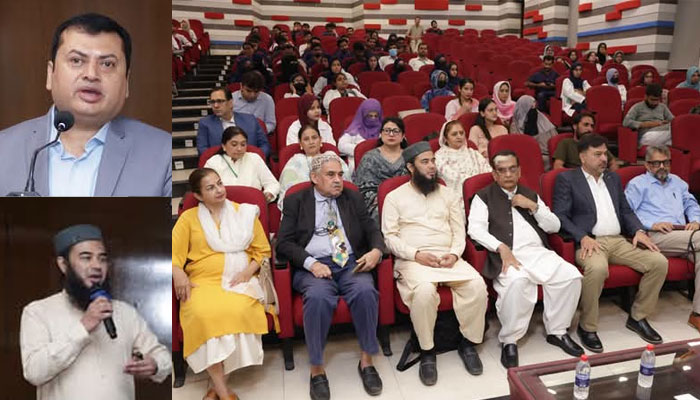
KARACHI: Mental health experts, healthcare professionals, academics and policymakers have stressed the need to eliminate stigma, strengthen mental healthcare services and ensure that people living with mental health conditions are actively involved in decisions concerning their treatment, care and well-being.
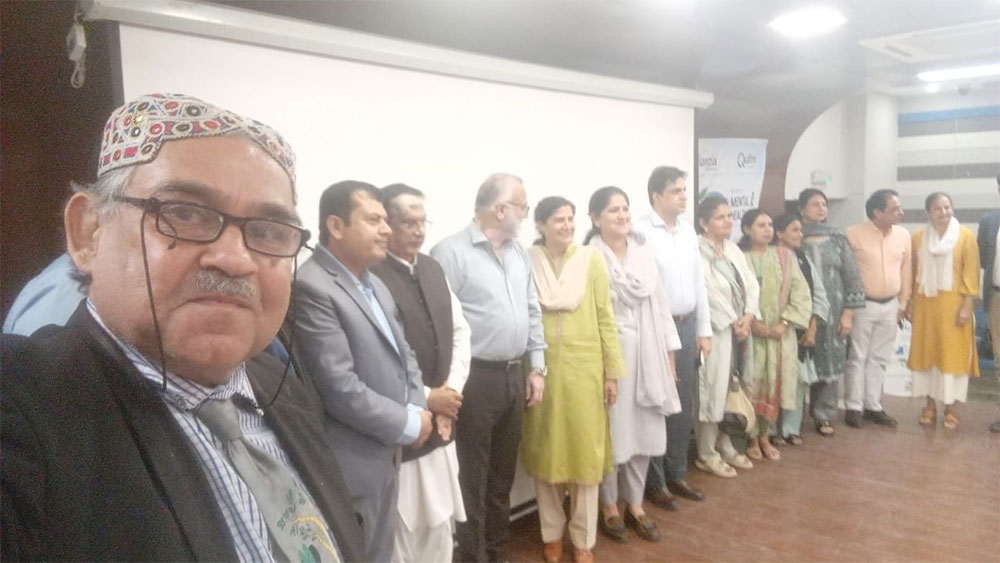
They expressed these views during a programme organised by the Department of Psychiatry and Behavioural Sciences at Jinnah Postgraduate Medical Centre (JPMC), in collaboration with Jinnah Sindh Medical University (JSMU), to mark World Mental Health Day 2026 on October 10.
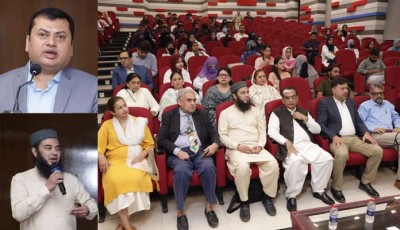
The event, held under the theme "Lived Experiences Heard: Real Voices, Real Change," brought together psychiatrists, medical professionals, university faculty members, students and representatives from different sectors to discuss mental health challenges, emerging treatment approaches, public awareness and the importance of compassionate healthcare.
Addressing the gathering, Professor Dr Chuni Lal, Head of the Department of Psychiatry and Behavioural Sciences at JPMC, emphasised the importance of medical ethics, compassion and respect for patients, particularly those belonging to underprivileged communities.
He highlighted the responsibility of healthcare professionals to provide dignified and equitable treatment while ensuring that patients' concerns, experiences and individual needs are properly understood and addressed.
Dr Ali Imran, Director and Founder of Tele-Global Health, Artificial Intelligence and Metabolic Psychiatry, highlighted the growing importance of holistic health, lifestyle medicine and metabolic psychiatry in promoting mental well-being.
He said that healthy nutrition, physical activity, appropriate lifestyle interventions and emerging therapeutic approaches, including ketogenic dietary interventions in selected clinical circumstances, could have potential roles in managing certain mental health conditions. However, he stressed that treatment must be individualised and guided by appropriate clinical evidence and professional assessment.
Dr Ali Imran said that mental health treatment should consider each patient's medical condition, personal needs, preferences and possible medication-related side effects. He emphasised that lifestyle interventions should complement, rather than replace, appropriate professional psychiatric care.
He maintained that medication should be prescribed when clinically indicated, with careful evaluation of its potential benefits, risks and adverse effects.
Highlighting the role of modern technology, Dr Ali Imran said artificial intelligence and digital platforms, including YouTube and Facebook, could play an important role in spreading reliable health information, improving mental health literacy and reducing social stigma associated with psychiatric disorders.
He called for greater utilisation of digital communication tools to promote preventive healthcare, healthy lifestyles and public awareness regarding mental health conditions.
Dr Ambreen Usmani, Principal of Sindh Medical College, JSMU, urged medical students to seek timely professional assistance when experiencing examination-related stress, anxiety or other emotional difficulties.
She emphasised that students should consult qualified physicians, psychiatrists or other healthcare professionals rather than resorting to inappropriate medication use or potentially harmful substances to cope with academic pressure.
Professor Dr Abu Hassan from the Department of Bioengineering at NED University highlighted the importance of integrating medical science with emerging technologies to improve understanding of how medicines and therapeutic interventions affect the human brain.
He stressed the need for interdisciplinary and inter-university collaboration between medical institutions, engineering departments and research centres to develop innovative solutions that could improve patient care and advance mental health research.
Dr Kareem Khawaja emphasised the need for effective government policies to promote holistic healthcare, expand access to mental health services and strengthen institutional and community support systems for people living with psychiatric conditions.
He called for greater policy attention to mental healthcare and the development of accessible, affordable and inclusive services that protect patients' dignity and fundamental rights.
During the programme, speakers and students also presented speeches, artistic expressions and video clips highlighting the experiences of people affected by mental health challenges and the importance of empathy, understanding and social inclusion.
Participants stressed that people living with mental health conditions should be heard without judgement and treated with compassion, dignity and respect.
They called for eliminating discrimination and stigma while ensuring that individuals with lived experience are included in the development of mental health policies, treatment programmes and healthcare services.
The speakers endorsed the principle of "Nothing About Us Without Us," emphasising that meaningful participation of patients and affected communities is essential for developing effective and responsive mental healthcare systems.
They also highlighted the importance of person-centred care, community-based mental health services, family support, rehabilitation and social inclusion.
Experts observed that mental health promotion should incorporate preventive strategies, including balanced nutrition, regular physical activity, adequate sleep, stress management and positive social relationships, alongside evidence-based medical and psychological treatment.
The participants urged government institutions, healthcare organisations, educational institutions and civil society to work collectively to improve mental health awareness, strengthen services and ensure that vulnerable populations are not deprived of appropriate care.
They concluded that mental healthcare systems should be developed in meaningful consultation with people who have lived experience of mental health conditions, rather than designing services without their participation.
The speakers reaffirmed that mental health is an essential component of overall health and called for coordinated efforts to create a compassionate, inclusive and accessible mental healthcare system in Pakistan.