

ISLAMABAD: The Pakistan Medical and Dental Council (PM&DC) has urged provincial health departments to significantly expand postgraduate (PG) residency training positions across the country to address the growing disparity between the number of medical graduates and available training opportunities.
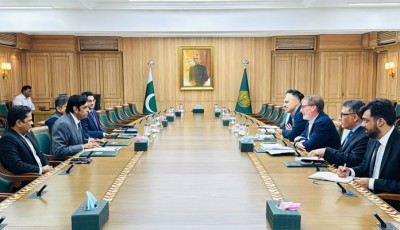
The recommendation was made during a council meeting held on February 10, 2026, where a comprehensive review of Pakistan’s postgraduate medical training capacity was undertaken. The council noted that while the country has made considerable progress in undergraduate medical education over the past two decades—resulting in an adequate, and in some disciplines surplus, number of graduates—this growth has not been matched by a proportional increase in structured and funded postgraduate training positions.
As a result, a large number of qualified doctors compete annually for a limited number of residency slots, particularly in the public sector where most accredited training programmes are based. The council expressed concern that the key bottleneck lies not in the supply of graduates, but in the insufficient availability of training positions and subsequent employment pathways.
The council further observed that this imbalance is contributing to the increasing migration of skilled medical graduates abroad in search of better training and career prospects.
Under the PM&DC Act, 2022, the council is responsible for regulating standards, accreditation, and recognition of medical and dental education and training. However, the establishment, expansion, and funding of postgraduate training positions fall under the administrative jurisdiction of provincial health departments, which oversee public sector hospitals, including tertiary care institutions, District Headquarters (DHQs), and Tehsil Headquarters (THQs) hospitals.
PM&DC President Prof Dr Rizwan Taj stated that after detailed deliberations, the council has unanimously recommended a substantial increase in postgraduate training capacity. He said the number of residency positions should be expanded, and where feasible, doubled in a phased and fiscally responsible manner, in line with the annual output of medical graduates and evolving provincial healthcare needs.
He also emphasized the need to upgrade existing public sector hospitals, including DHQs and THQs, to develop them into accredited postgraduate training centres in accordance with PM&DC standards.
Prof Taj further highlighted that postgraduate training positions should be linked with transparent, merit-based career progression pathways within the public health system to improve retention of trained specialists and strengthen healthcare delivery at both secondary and tertiary levels.
He added that expanding postgraduate training capacity would not only accommodate more graduates within the country but also help address the persistent shortage of qualified faculty in medical institutions, as postgraduate trainees and specialists form the backbone of future teaching and supervisory roles.
The council stated that these recommendations have been made in the broader public interest to address workforce imbalances, enhance institutional capacity, and reduce the ongoing outflow of trained medical professionals, while fully respecting the statutory roles of both PM&DC and provincial governments.