
ISLAMABAD: The Regional Reference Laboratory for Polio Eradication at the National Institute of Health (NIH), Islamabad, has confirmed a new case of wild poliovirus from District Tank in South Khyber Pakhtunkhwa.
The case involves an 18-month-old girl from Union Council Amakhel in District Tank. This is the seventh confirmed case from Khyber Pakhtunkhwa this year, bringing the national total to 13 cases in 2025. So far, seven cases have been reported from KP, four from Sindh, and one each from Punjab and Gilgit-Baltistan.
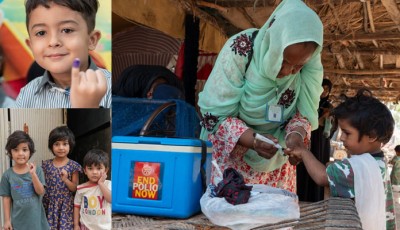
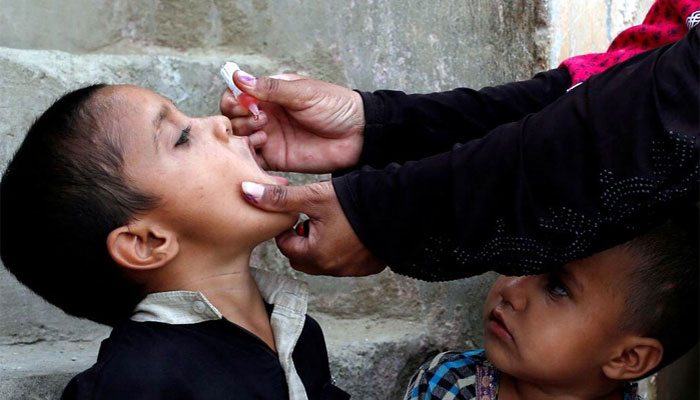
Polio is a highly contagious, incurable disease that can cause permanent paralysis, especially among children. The only effective protection remains repeated doses of the oral polio vaccine (OPV) for every child under five, along with timely completion of essential childhood immunizations.
While the Pakistan Polio Eradication Programme continues to strengthen vaccination campaigns nationwide, southern districts of Khyber Pakhtunkhwa remain a persistent challenge. Inaccessibility, security issues, and resistance to vaccination in some areas have contributed to gaps in coverage, leaving thousands of children vulnerable to the virus.
In 2025, three nationwide polio vaccination campaigns were conducted — in February, April, and May — reaching over 45 million children with the help of more than 400,000 frontline workers, including 225,000 female vaccinators. This progress reflects robust inter-agency coordination and increasing trust from parents and communities.
Health officials stress that polio eradication is a collective responsibility. While frontline workers continue to deliver life-saving vaccines, parents and caregivers must ensure their children receive every dose during each campaign. Every dose counts — building immunity and protecting children from a lifetime of disability.
The fight against polio can only be won through consistent community engagement, public support, and a shared commitment to a polio-free Pakistan.