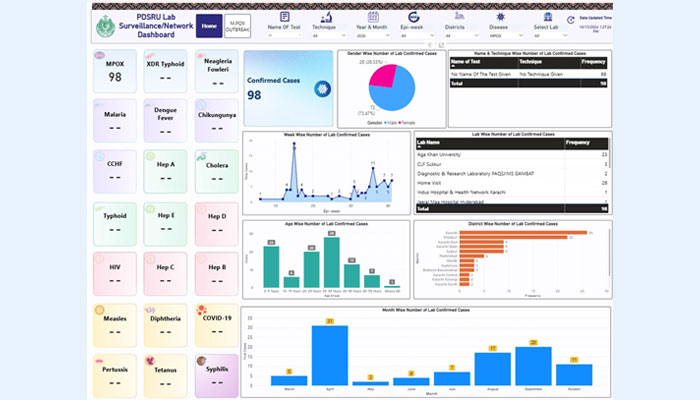
KARACHI: The Sindh Health Department has confirmed the detection of seven Mpox cases across the province during the past week, prompting health authorities to strengthen disease surveillance, contact tracing, infection prevention and patient management measures to contain further transmission of the virus.
According to an official statement issued by the Government of Sindh's Information Department on Friday, the Health Department is closely monitoring the situation and ensuring timely detection, isolation where necessary, and appropriate clinical care for affected patients.
The department maintained that the situation is being managed under established public health protocols and urged the public not to panic, while emphasizing the importance of preventive measures to minimize the risk of infection.
Health authorities have directed all public and private healthcare facilities across Sindh to strictly implement infection prevention and control (IPC) protocols, particularly when examining or treating patients with suspected or confirmed Mpox infection.
The department has also advised healthcare professionals to use appropriate personal protective equipment (PPE) wherever required and ensure compliance with relevant safety guidelines to protect patients, medical staff and visitors.
According to the statement, active surveillance and contact tracing activities are underway to identify individuals who may have been exposed to confirmed Mpox patients. Those identified through contact tracing are being monitored to facilitate early detection of possible infections and prevent further spread.
The Health Department confirmed that appropriate clinical care is being provided to patients admitted to public sector hospitals, while healthcare institutions have been instructed to remain vigilant for suspected cases.
Meanwhile, the Sindh Healthcare Commission (SHCC) has sealed Ibn-e-Hassan Hospital in Karachi following laboratory confirmation of Mpox infection in a 20-day-old infant.
The action was taken after concerns were identified regarding infection prevention and control practices at the healthcare facility, raising questions about patient safety and compliance with infection control standards.
The case involving the newborn has highlighted the importance of strict sterilization, hygiene and infection prevention procedures in healthcare establishments, particularly those providing services to infants and other vulnerable patients.
The Health Department has urged citizens to maintain proper hand hygiene, avoid direct contact with individuals displaying unusual skin rashes, blisters or lesions, and refrain from sharing towels, clothing, bedding and other personal belongings with suspected or confirmed patients.
People have also been advised to exercise caution in crowded settings, particularly healthcare facilities, where the possibility of exposure to infectious diseases may be higher.
Authorities emphasized that individuals developing unexplained rashes, blisters or skin lesions, especially after close contact with a suspected or confirmed Mpox patient, should immediately seek medical assessment and inform healthcare professionals about any possible exposure.
People suspected of having Mpox have been advised to avoid close physical contact with others until they have been evaluated by a qualified healthcare professional.
The Sindh Health Department reiterated that Mpox is a preventable and manageable public health concern when appropriate precautions, early diagnosis and timely medical care are ensured.
The department further urged citizens to rely on verified information released by official health authorities and avoid spreading unconfirmed reports or misleading claims on social media.
Health officials maintained that surveillance, contact tracing and clinical management measures would continue to protect public health and prevent further transmission of Mpox in Sindh.