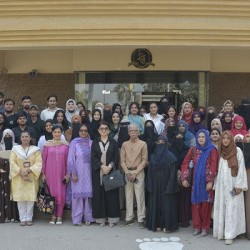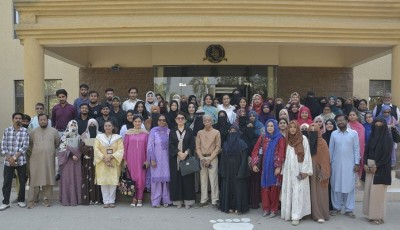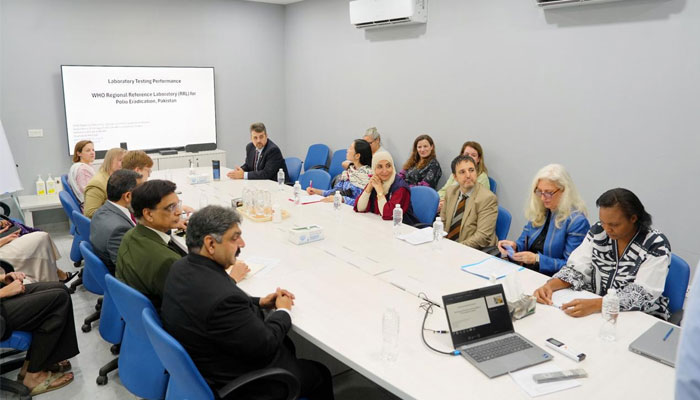
ISLAMABAD: Representatives of international development partners visited the National Emergency Operations Centre (NEOC) for Polio Eradication in connection with World Polio Day, reaffirming their commitment to supporting Pakistan’s efforts to eliminate the poliovirus through sustained financial, technical and operational assistance.
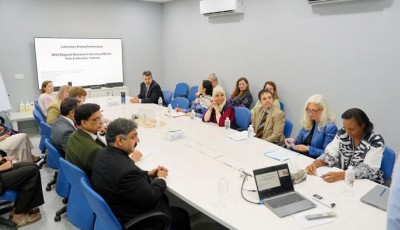
A special session was held at the National EOC, bringing together polio programme leadership, international partners and frontline health workers to review the country's current polio situation, operational challenges and strategic priorities for achieving a polio-free Pakistan.
During the session, officials of the National EOC briefed international partners on the prevailing epidemiological situation, ongoing vaccination activities, surveillance mechanisms and key challenges affecting polio eradication efforts across the country.
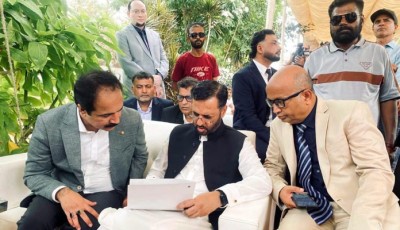
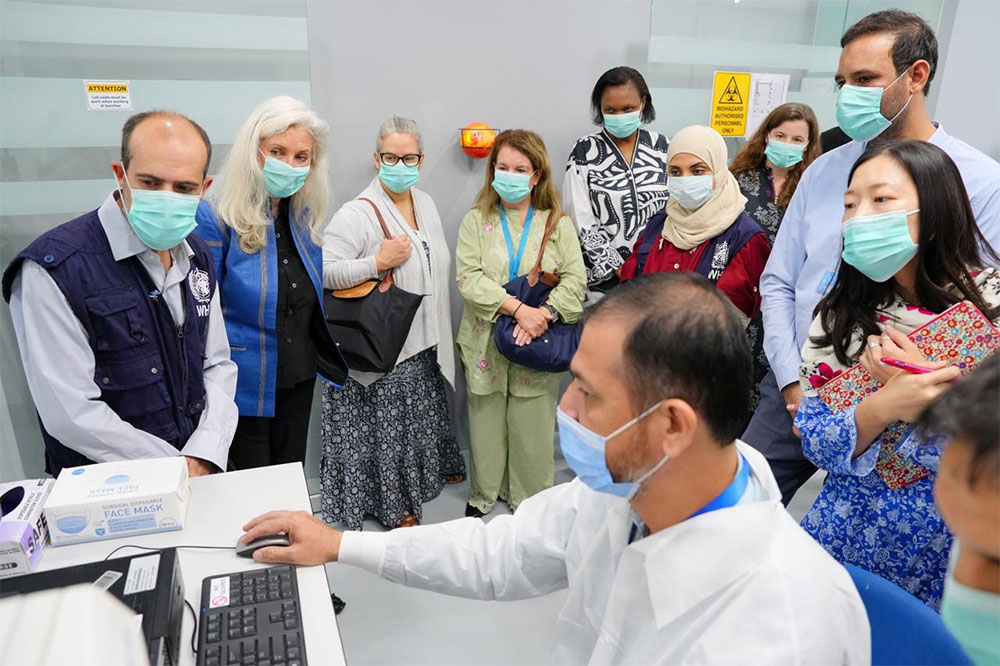
The visiting delegation also toured the Polio Regional Reference Laboratory at the National Institute of Health (NIH), where representatives were briefed on Pakistan's poliovirus detection, laboratory testing and surveillance systems. Officials highlighted the critical role of laboratory surveillance in identifying poliovirus circulation and guiding targeted immunisation responses.
Speaking on the occasion, Prime Minister's Focal Person for Polio Eradication Ayesha Raza Farooq emphasised that sustained cooperation between the Government of Pakistan, international partners and frontline health workers remained essential to achieving the country's polio eradication objectives.
She acknowledged the continued contribution of international development partners, stressing that sustained financial, technical and operational support was critical to overcoming the remaining challenges and ensuring the successful interruption of poliovirus transmission.
Ayesha Raza Farooq highlighted encouraging progress in certain provinces, stating that Balochistan had reported no polio cases since November 2024, while Punjab had remained free of reported polio cases since February 2025.
She said these developments demonstrated the importance of consistent vaccination campaigns, effective surveillance and coordinated implementation of eradication strategies.
Highlighting the contribution of frontline health workers, she said more than 400,000 workers were actively contributing to Pakistan's polio eradication efforts, often operating under challenging circumstances to protect children against the potentially disabling disease.
She paid tribute to the dedication and resilience of frontline workers, describing their continued commitment as indispensable to the success of the national polio programme.
Ayesha Raza Farooq further emphasised that the practical experience, field observations and recommendations of frontline workers must be incorporated into programme planning and operational decision-making to improve vaccination coverage and address persistent barriers.
The special session also provided an opportunity for international partners to interact with polio programme officials and frontline workers, exchange perspectives on operational challenges and discuss measures to strengthen coordination and programme effectiveness.
Pakistan reaffirmed its commitment to maintaining collective efforts, strengthening surveillance, improving immunisation coverage and ensuring that every child is protected against poliovirus.
The engagement underscored the continued importance of international collaboration, government leadership and frontline workforce dedication in advancing Pakistan towards the shared goal of a polio-free future.