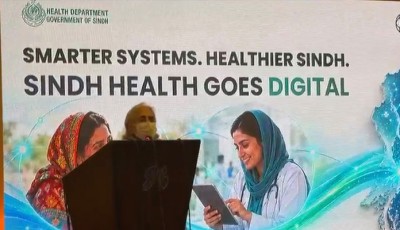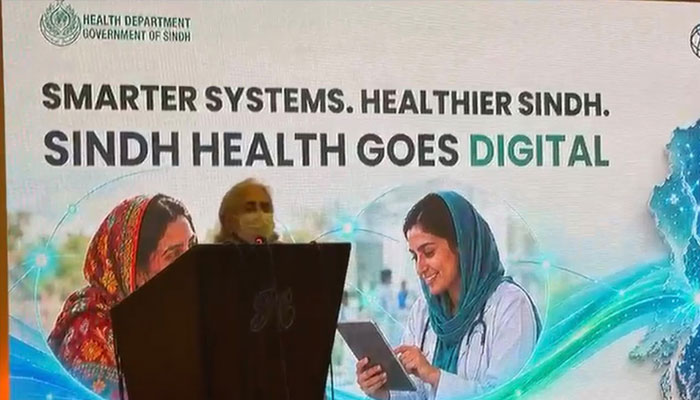
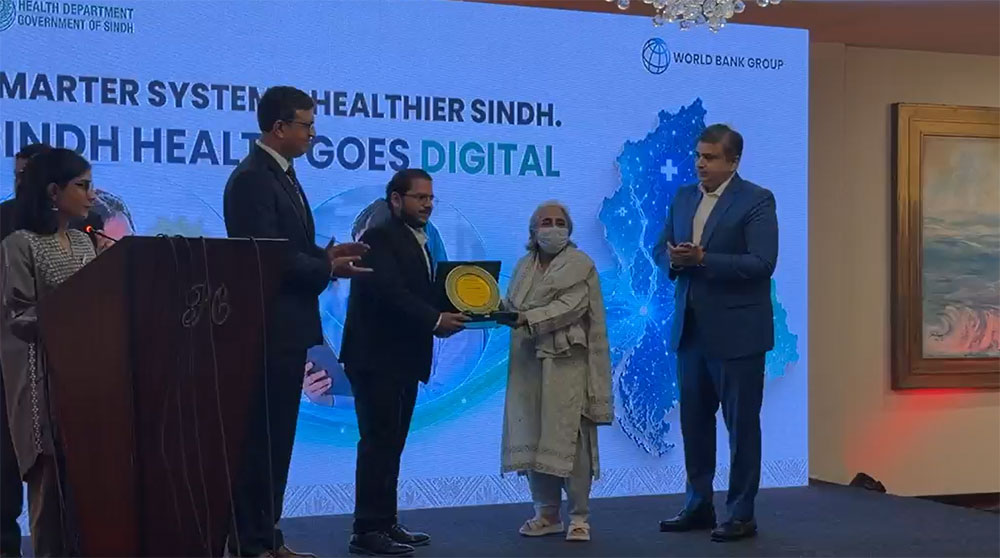
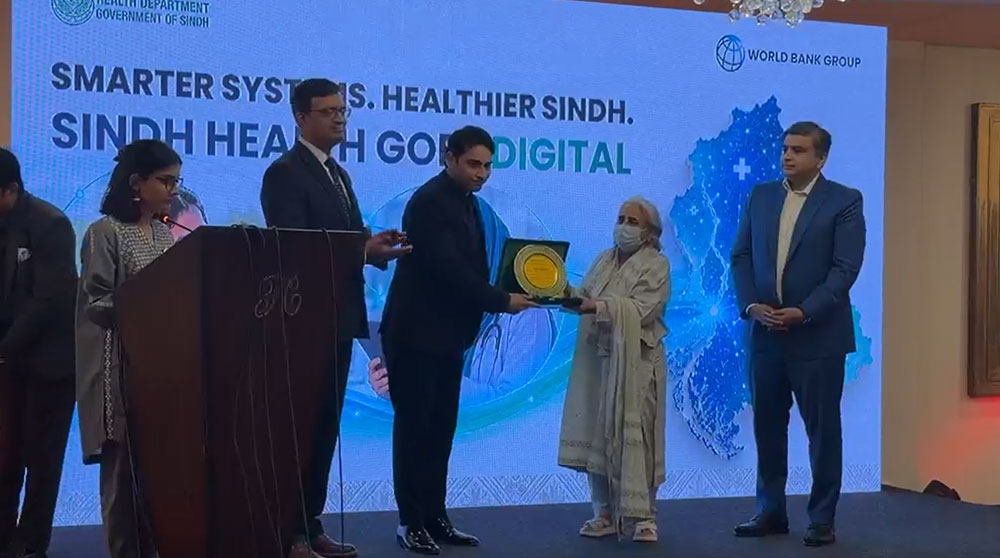
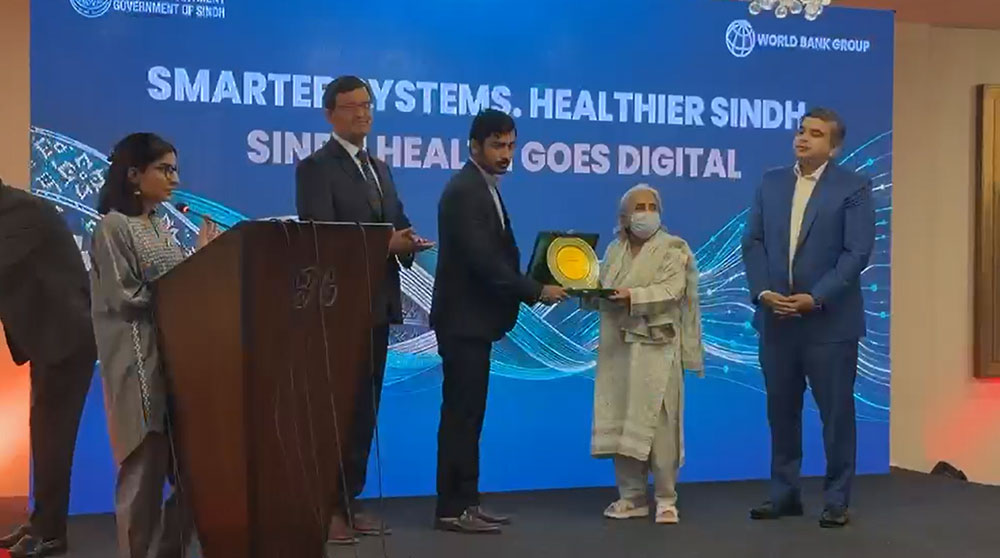
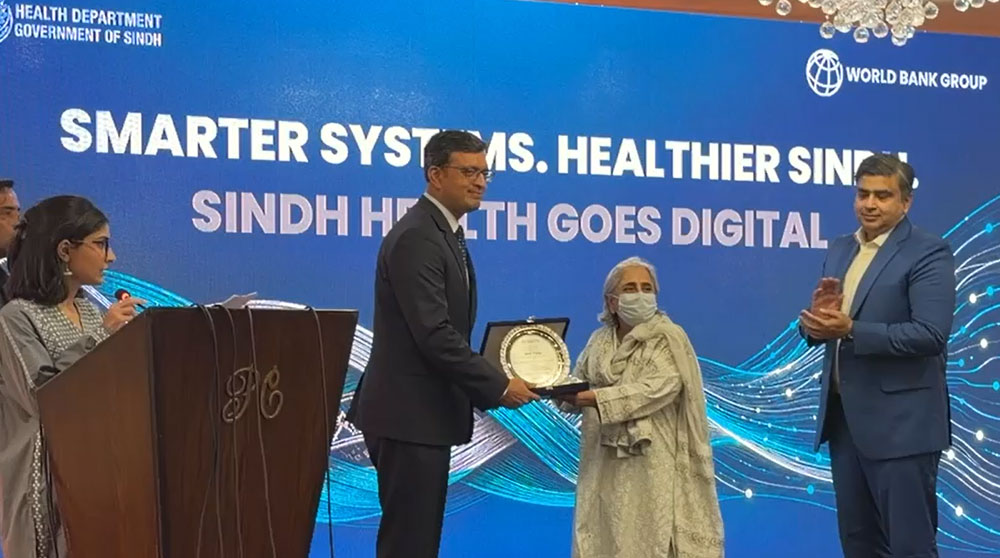
KARACHI: Sindh Health Minister Dr Azra Fazal Pechuho inaugurated a series of digital health data systems aimed at modernising public healthcare services, improving transparency, strengthening administrative efficiency and ensuring evidence-based decision-making across the province.
The Sindh Health Department announced that Electronic Medical Records (EMR) would be introduced at all primary healthcare centres across the province by the first quarter of 2028, marking a major step towards the digital transformation of Sindh's healthcare system.
Speaking at the inauguration ceremony, officials highlighted that the newly introduced digital platforms would enable real-time monitoring of healthcare services, improve patient management, strengthen accountability and ensure effective utilisation of human and financial resources.
The Health Department has initially launched four major digital systems, including the Electronic Medical Record System, Human Resource Management Information System (HRMIS), Geographic Information System (GIS) mapping of community health workers and Lady Health Workers, and a digital monitoring portal for the World Bank-supported 1,000 Days Programme.
Under the Electronic Medical Record System, comprehensive patient information, including medical histories, outpatient department visits, medicine provision, emergency services, antenatal and postnatal care, nutrition and family planning services, will be maintained electronically.
The system is designed to reduce paperwork, improve coordination between healthcare facilities and enable health authorities to monitor service delivery through real-time data.
According to the Health Department, the EMR system has been activated at 18 Basic Health Units (BHUs) during October 2026. The number of healthcare facilities covered under the system will increase to 150 by February 2027, while its implementation across all primary healthcare centres in Sindh is targeted for the first quarter of 2028.
The newly introduced Human Resource Management Information System aims to digitise administrative processes involving officers and employees in Grades 16 to 20, including leave applications, approvals, transfers and disciplinary matters.
Officials disclosed that more than 700 leave applications were processed and approved through the digital portal during September and October 2026. Additional features relating to employee promotions and transfers are also being integrated into the system to enhance transparency and efficiency.
Another significant initiative involves GIS-based mapping and digital registration of Lady Health Workers (LHWs) and Community Health Workers (CHWs) across Sindh.
The Health Department stated that, for the first time in the province's history, digital registration of all Lady Health Workers and the preparation of geographical polygon maps of their assigned areas had been completed.
The mapping exercise has identified gaps in healthcare coverage, particularly in underserved and remote communities.
According to officials, the mapping revealed that approximately 46 per cent of areas in Shaheed Benazirabad were previously outside the coverage of Lady Health Worker services.
The digital platform will help authorities identify such underserved locations and deploy newly designated Community Health Workers to improve access to essential healthcare services.
A mobile application has also been introduced to monitor the daily performance of community health workers, including activities related to immunisation, maternal and child healthcare, nutrition and women's health.
The fourth major initiative is a digital monitoring portal for the World Bank-supported 1,000 Days Programme, under which 340 healthcare facilities in flood-affected districts and other areas are being reconstructed or rehabilitated.
Of these facilities, 276 are undergoing complete reconstruction, while another 64 are being rehabilitated.
The portal enables authorities to monitor construction progress through monthly photographic documentation, updated progress reports and online records, ensuring transparency and effective oversight of development activities.
The Health Department also announced progress on several additional digital initiatives, including the Sindh Human Organ Transplant Authority (SHOTA) portal, which will facilitate monitoring of organ donors and recipients.
A project management tool is also being developed to track milestones and performance indicators of the Expanded Programme on Immunisation (EPI), Sindh Integrated Emergency and Health Services (SIEHS) and other major healthcare programmes.
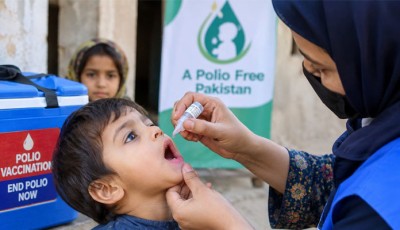
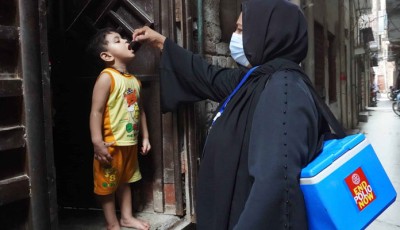
Similarly, a Vaccinator Performance Dashboard will enable real-time monitoring of vaccination campaigns and field activities, helping authorities identify operational gaps and improve immunisation coverage.
The department is also working on an Annual Development Programme (ADP) portal and an Inventory Management System to maintain digital records of development schemes, hospital machinery and medical equipment.
According to the Sindh Health Department, these initiatives are intended to strengthen transparency, accountability and efficiency in the healthcare sector while enabling timely and informed decisions based on reliable data.
The department maintained that the ultimate objective of the digital reforms was to ensure the timely delivery of quality healthcare services to the people of Sindh, both at their doorsteps and in public hospitals across the province.
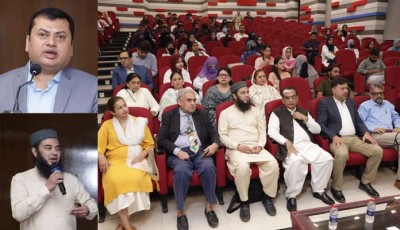
The inauguration ceremony was attended by World Bank Practice Manager Dr Sherin Varkey, Sindh Health Secretary Tahir Hussain Sangi, Chief Operating Officer of the People's Primary Healthcare Initiative (PPHI) Javed Jagirani, retired Justice Majida and other senior officials.