
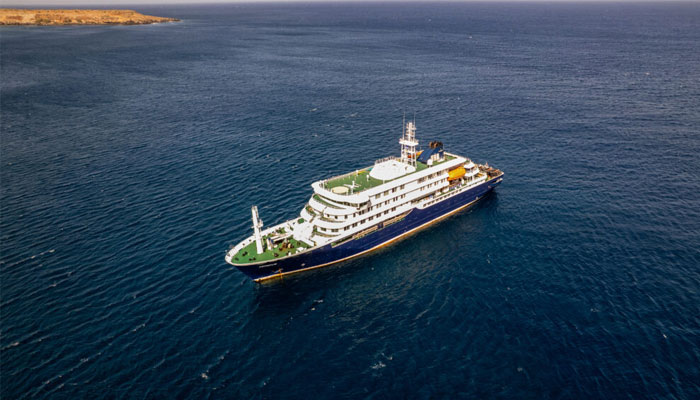
KARACHI: Global health authorities are closely monitoring a cluster of suspected hantavirus cases linked to a cruise ship traveling in the Atlantic Ocean after reports of multiple illnesses and three deaths raised international concern.
According to international health reports, the World Health Organization (WHO) has begun monitoring the situation following suspected hantavirus infections among passengers linked to the cruise vessel. Contact tracing and coordination with relevant health authorities are underway to assess the extent of exposure and determine the exact strain involved.
Health experts have clarified that hantavirus is not a new virus and has been known to the scientific community for decades. The virus is commonly transmitted to humans through exposure to infected rodents, particularly through contaminated urine, droppings, or saliva. Unlike COVID-19 and other highly contagious respiratory viruses, hantavirus does not usually spread easily from person to person.
WHO is reportedly assessing whether the suspected cases involve the Andes strain of hantavirus, a rare subtype that has shown limited human-to-human transmission in previous outbreaks. However, experts stress that such transmission remains uncommon and there is currently no indication of a wider international public health emergency.
Medical specialists say hantavirus infections can initially present with fever, muscle aches, fatigue, headache, dizziness, nausea, and breathing difficulty in severe cases. Public health observers say while the incident warrants careful monitoring, there is no evidence at this stage to suggest the emergence of a new global pandemic.
The development has nonetheless renewed discussion about infectious disease preparedness in international travel settings, particularly cruise ships, which have previously been associated with outbreak risks due to close passenger interaction and enclosed environments.