
KARACHI: Managing Director Sindh Solid Waste Management Board (SSWMB) Tariq Ali Nizamani has reaffirmed the government’s commitment to transforming Karachi into a clean, green and sustainably managed metropolis, stressing that solid waste reforms are central to meeting Pakistan’s Sustainable Development Goals (SDGs).
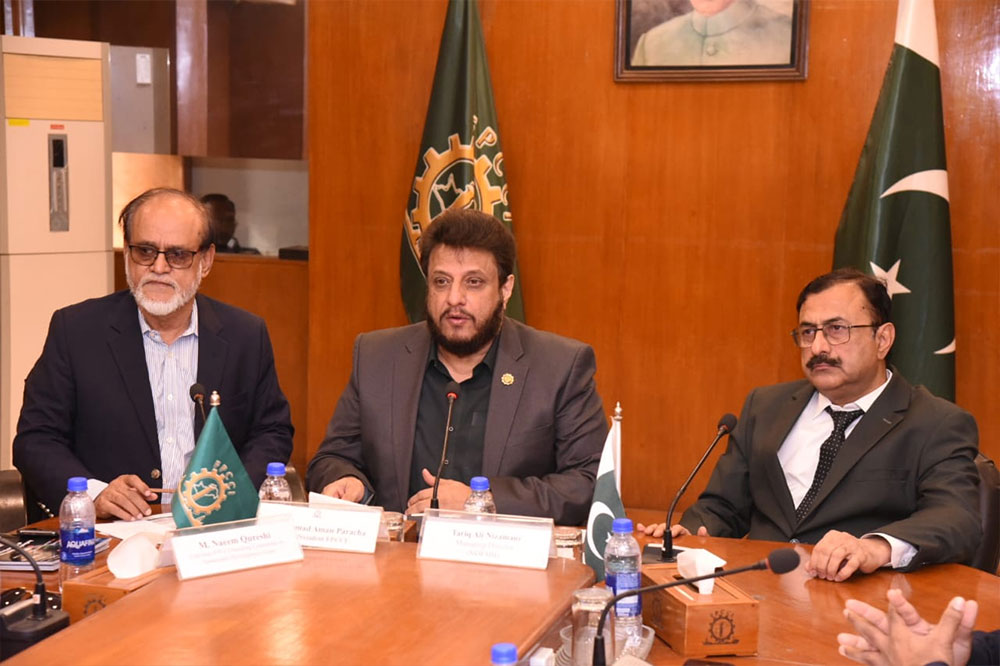
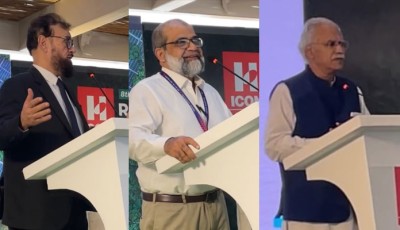
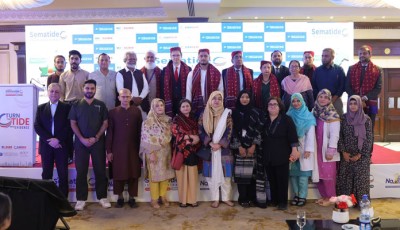
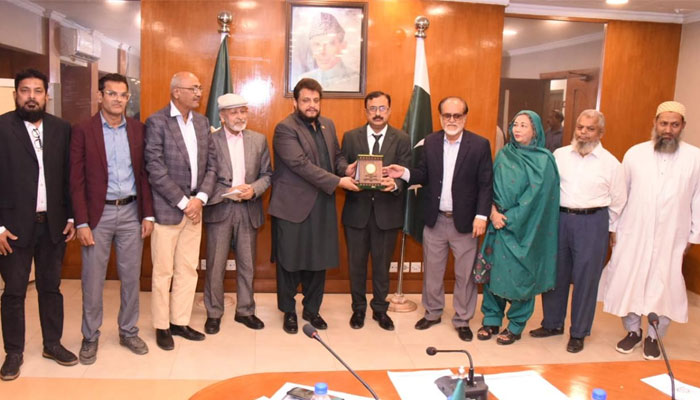
He expressed these views while addressing a seminar titled “Adoption of Modern and Sustainable Ways of Urban Waste Management as an Effective Means to Achieve SDGs in Pakistan”, organized by the FPCCI CSR Central Standing Committee on Sustainable Development Goals at the FPCCI Head Office. The session was convened by Committee Convener M. Naeem Qureshi and joined by FPCCI Vice President Aman Paracha, alongside environmental experts and representatives of civic organizations.
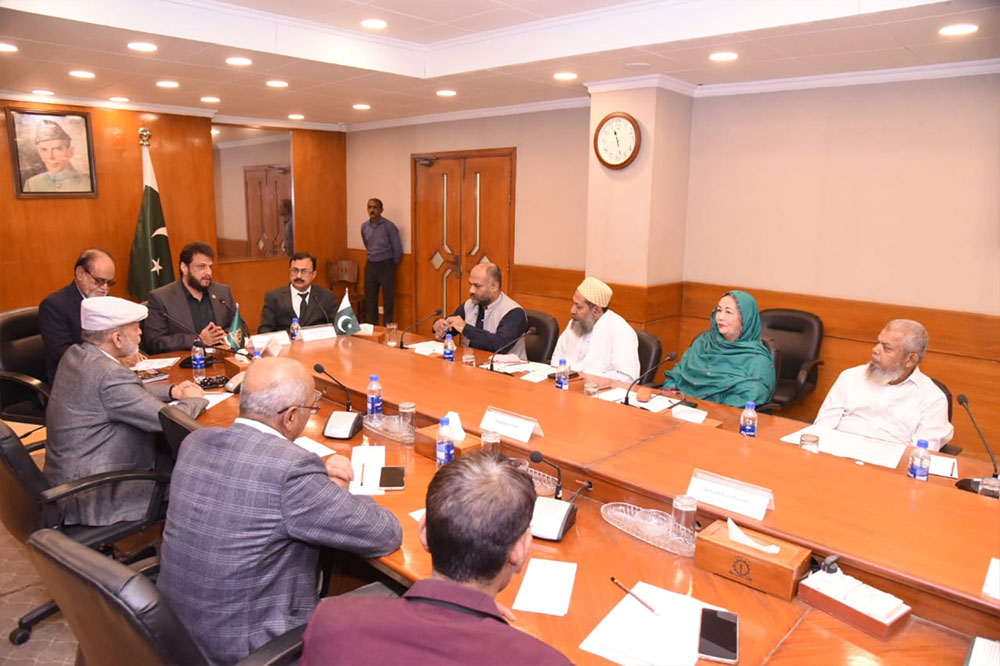
During the seminar, Tariq Ali Nizamani said that Karachi’s waste management challenges require integrated, technology-enabled and community-driven solutions. He assured that SSWMB is taking all necessary steps to strengthen operations, modernize systems, and adopt sustainable practices aligned with global standards. He emphasized that the Board is focused on improving collection efficiency, eliminating illegal dumping, enhancing recycling, and expanding capacity across all districts of the city.
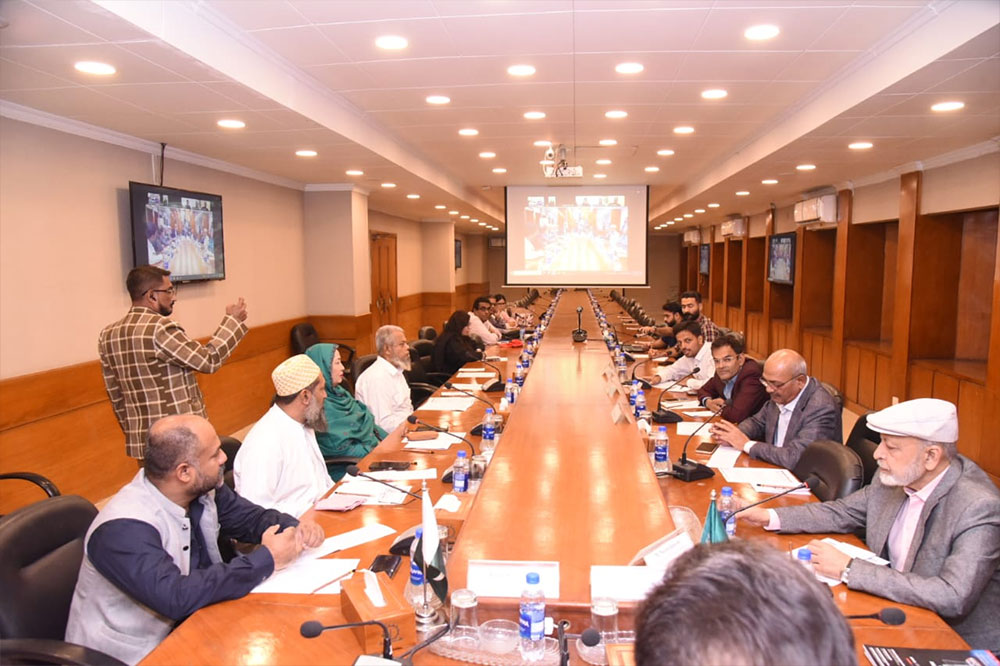
Nizamani added that sustainable solid waste management is directly linked with public health, environmental protection, and economic development, and that Karachi’s progress towards the SDGs depends on institutional reforms and citizen participation. He reiterated the government’s resolve to ensure visible improvement in cleanliness operations and to build a waste management ecosystem that can support long-term urban resilience.
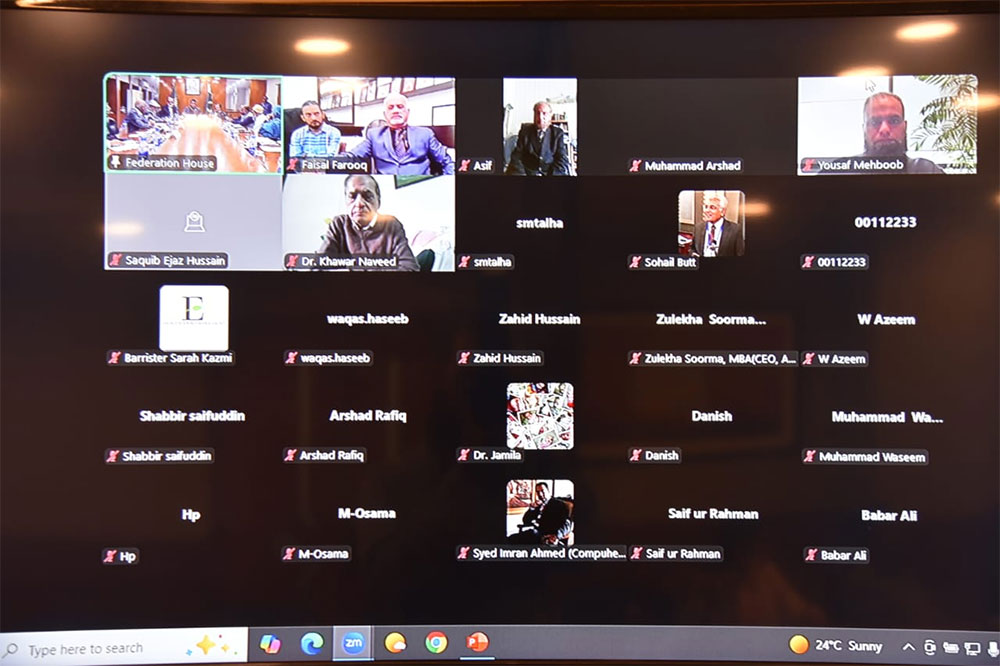
Earlier, the seminar featured presentations by environmental expert Saquib Ejaz Hussain, Ali Asghar Khadim from the Nazafat Dawoodi Bohra Community, and waste management specialist Ahmed Shabbar, who highlighted modern techniques, global models, and community-based approaches for effective urban waste solutions.
Officials and participants stressed that adopting modern waste management systems is essential for Pakistan’s cities to meet sustainability benchmarks. They appreciated the SSWMB’s assurance of accelerated reforms and called for continued collaboration between government institutions, civic groups, and the private sector to advance SDG-driven urban development.