
At Health Matters, we are constantly exploring how technological advancements impact our health, well-being, and sustainability. One of the most significant shifts happening today is the rise of digital currencies like Bitcoin. It’s a topic that is as exciting as it is concerning. And if you're pausing right now because of the headline, you're not alone—cryptocurrency has become a hot-button issue. But before you take any action, I ask you to consider this with caution and clarity. Think twice before diving into the world of crypto. This isn't about purchasing a coat of paint—this is about your savings, your future, and your trust in technology.
If you're familiar with a famous Pakistani ad that says, “Tokan se zara bach ke… Rang le ke aana zara soch ke samajh ke,” (Think before you buy your paint), you'll understand why I'm starting with this metaphor. The message might have been about paint, but its timeless wisdom applies here. The stakes are far higher now. We're no longer talking about color—this is about your hard-earned money. Whether digital coins or cryptocurrency, the advice still stands: pause, think, and truly understand before taking the plunge.

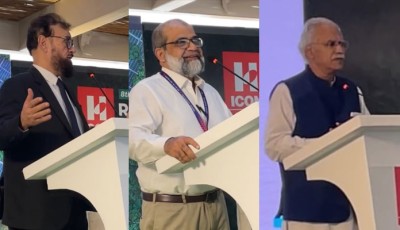
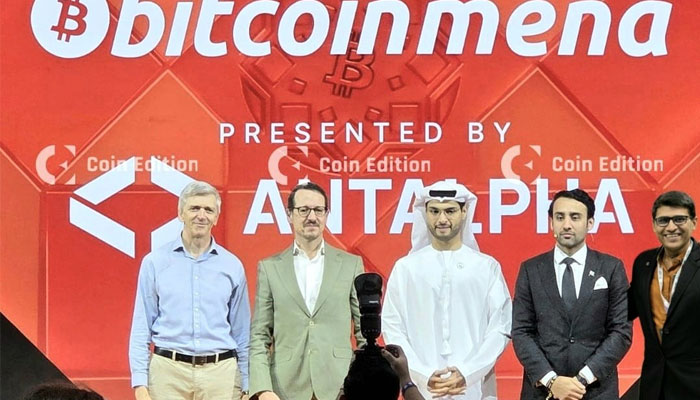
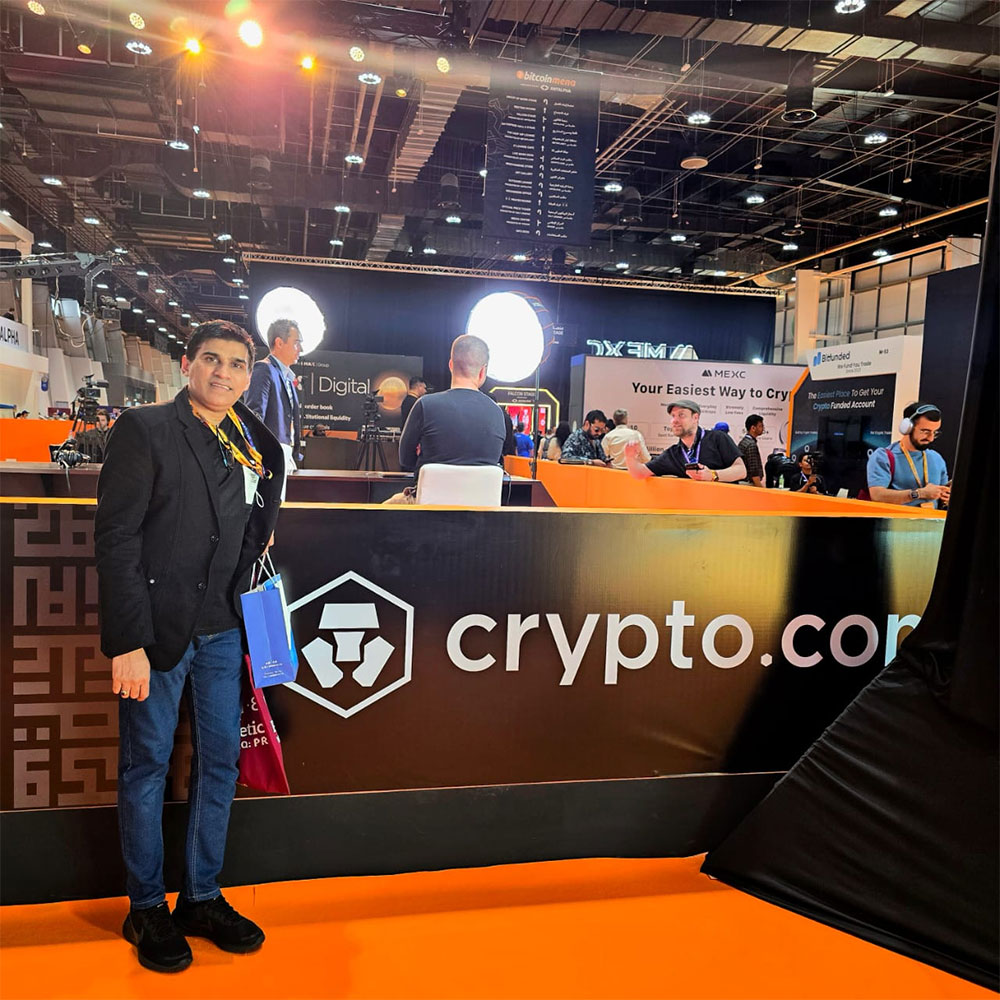
At a recent global gathering in Abu Dhabi, Bitcoin MENA 2025, policymakers and industry leaders came together to discuss the future of digital currency. Among them was Bilal Saqib, the Prime Minister’s Special Assistant on Blockchain and Digital Assets from Pakistan, discussing the country’s increasing involvement in the evolving crypto space.
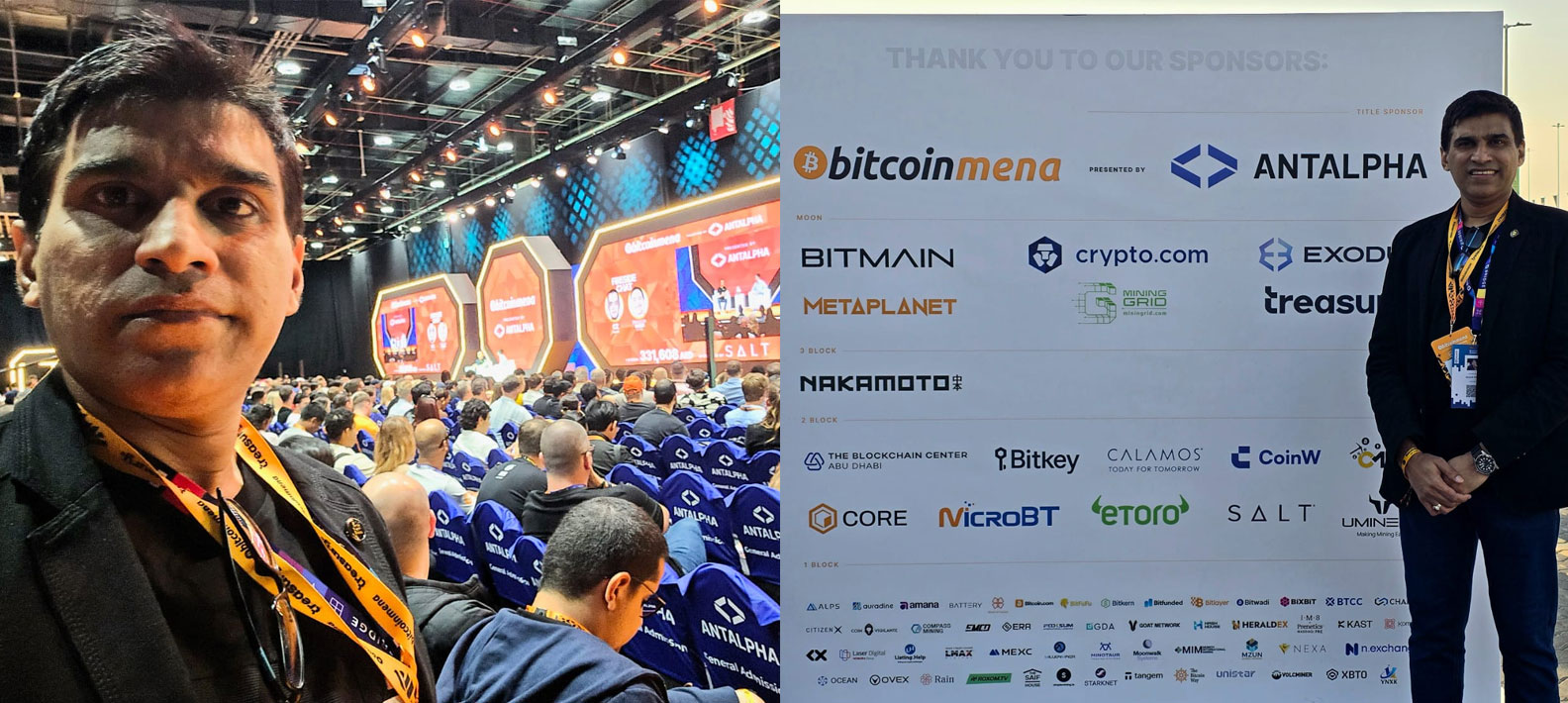
The event featured major players in the crypto world, showcasing digital wallets, mining technology, energy-efficient turbines, and the digital infrastructure that underpins this massive transformation. This underscores a key fact: the future of money is closely tied to the energy we consume.
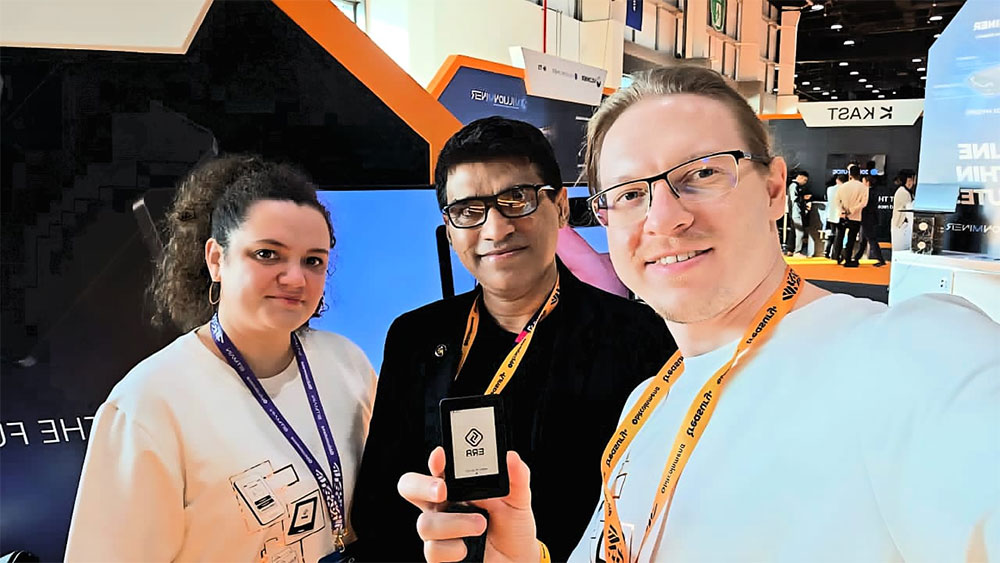
Money has never been static. From the barter system to coins, paper currency, and plastic money, we've continually evolved how we transact. Now, we're entering an era where money exists purely in the digital realm—stored, transferred, and displayed on screens. During my visit to Bitcoin MENA, it was clear: this transformation is happening now. But with every technological leap, there’s a cost—and in the case of cryptocurrency, it’s measured in energy.
The link between digital currencies and energy consumption is undeniable. Crypto mining, often seen as a virtual activity, is highly physical. It relies on powerful computer systems, energy-hungry data centers, and cooling mechanisms—all of which demand huge amounts of electricity. In some regions, mining operations consume as much power as entire countries. These vast energy requirements raise serious concerns about sustainability, particularly in a world already grappling with climate change, emissions, and energy security. The more energy crypto mining consumes, the more pressure it puts on power grids and the more carbon emissions are generated.
As we look to the future of digital currency, it's no longer just about speed, innovation, or profits. Now, the conversation is shifting to sustainability. Can we make crypto more energy-efficient? Can we integrate renewable energy into the mining process? Some regions are testing solar-powered mining farms, while others are tapping into hydro and wind power. Yet, the transition to green crypto mining remains uneven and complex.
Events like Bitcoin MENA 2025 highlight an inevitable truth: the digital economy is here to stay. However, the future of that economy will depend heavily on how we produce, manage, and consume energy. The key challenge will be finding a balance between technological progress and environmental responsibility.
But as we navigate this digital future, we must ask ourselves: what happens when all our wealth is stored on a screen, with no physical form or backup? What happens if the system falters? A cyberattack, a prolonged outage, or a large-scale digital disruption could leave us with nothing but numbers—once symbols of security—on a black screen. If that happens, regret may be the only thing left in your hands.
So, a word of caution: This is not a game. This is your life’s savings. Before blindly trusting the glowing digits on a screen, take a moment to understand the risks—not just the financial ones, but the technological and environmental ones, too. Progress is important, but without wisdom, it’s just a test. And the price of failing that test could be far greater than you imagine.
The choice is yours, but remember: the future is digital, but it must be sustainable.