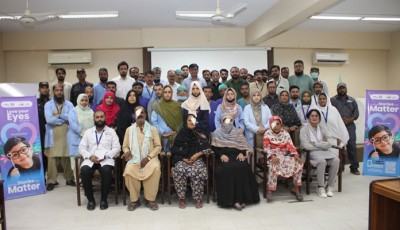

KARACHI: Researchers from Aga Khan University have reported encouraging early results from a simple, low-cost household water filter that is significantly reducing diarrheal disease and improving the nutritional status of children under five in rural Sindh, offering a potential breakthrough in tackling Pakistan’s persistent child malnutrition crisis.
The non-electric filter, which costs approximately USD 5–8 per year, requires no fuel, electricity, or daily chemical treatment, making it well-suited to poor rural households with limited infrastructure. According to researchers, the intervention is demonstrating how access to safe drinking water can function as a form of nutrition by preventing diarrhea and enabling better absorption of food among young children.
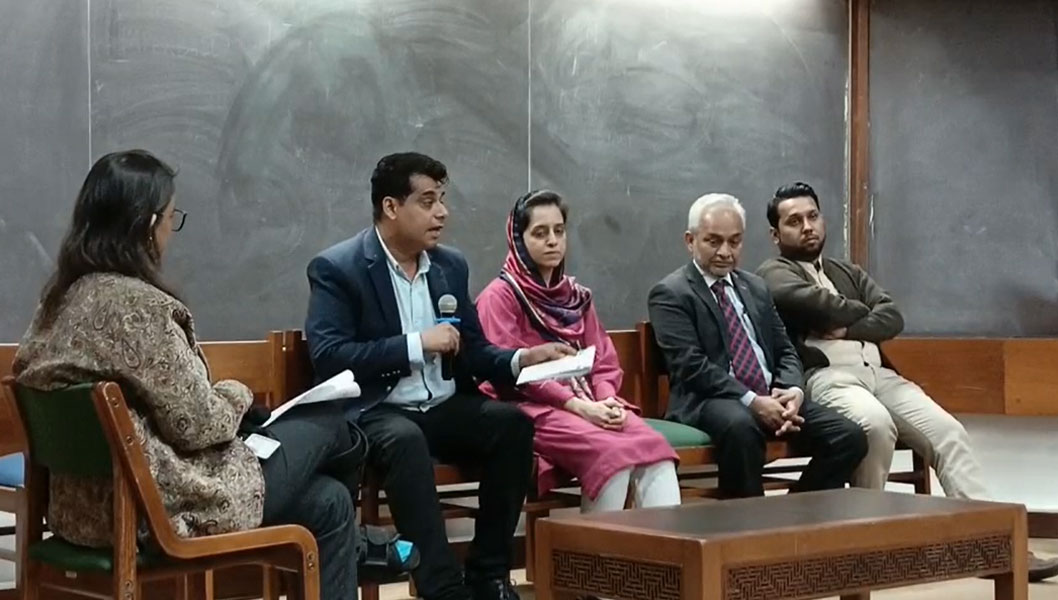
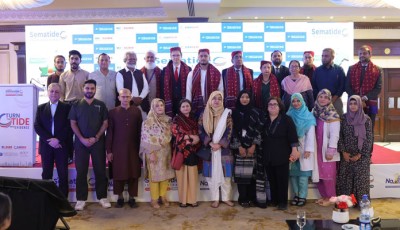
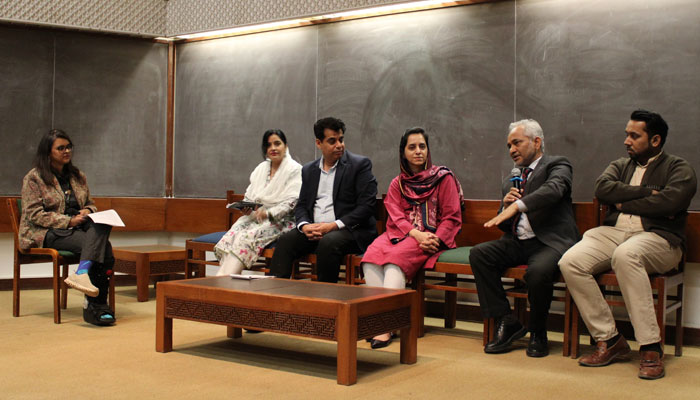
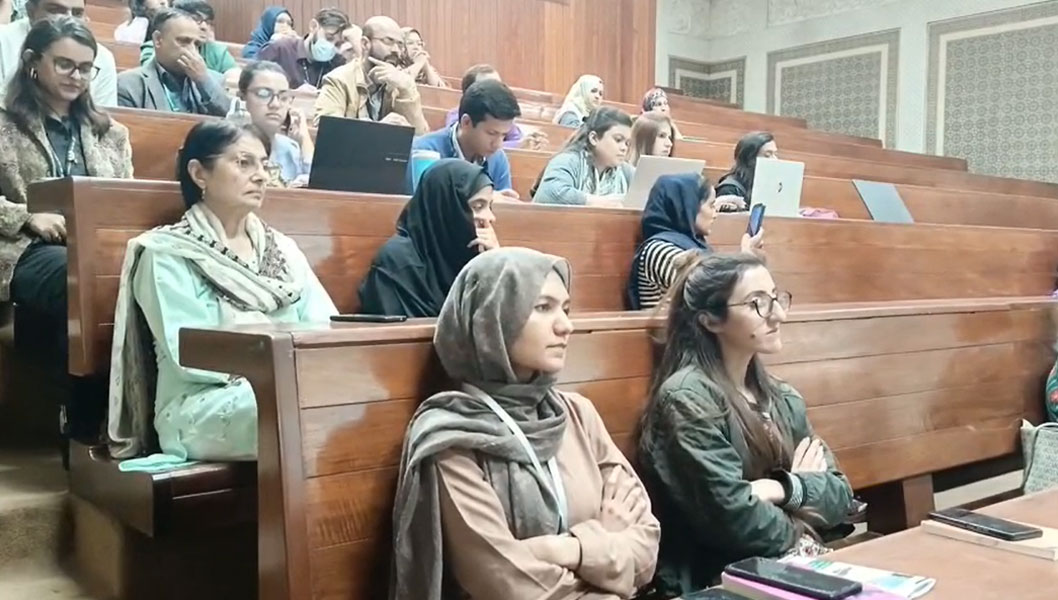
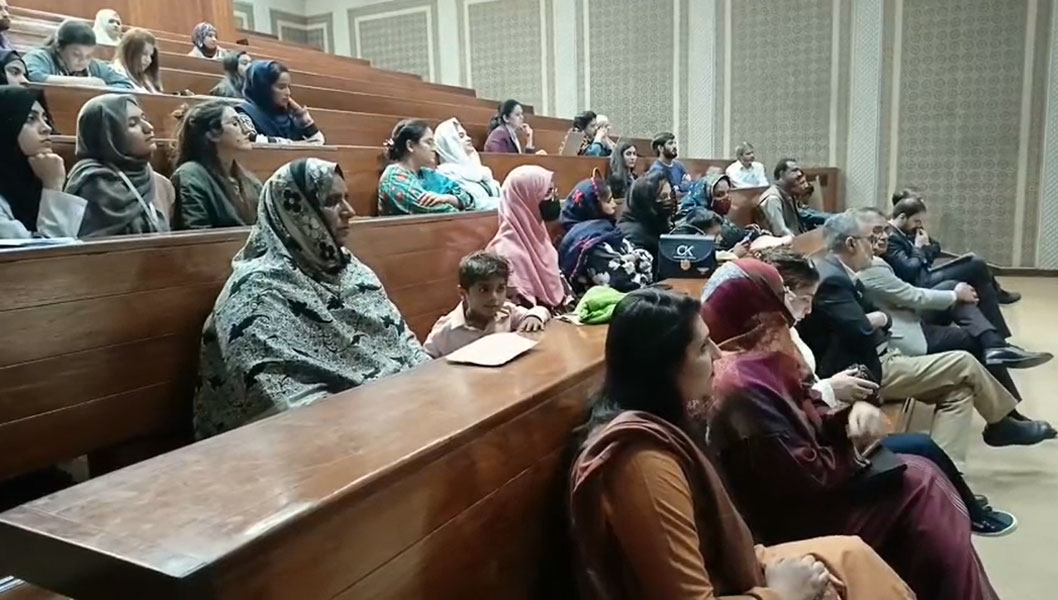
The findings were shared at a dissemination seminar titled “Water as Nutrition: How Clean Water Breaks the Malnutrition Cycle in Sindh,” where data from an eight-month study conducted in flood-affected Jhangara, Jamshoro, were presented. The study reported more than 98 percent adherence, with nearly all participating households consistently using filtered water.
Results from the study showed a 20 percent reduction in underweight children, a 12 percent reduction in wasting, and a 7 percent reduction in stunting among children under five. Researchers noted that such measurable nutritional gains are rarely observed through household water interventions due to low long-term use.
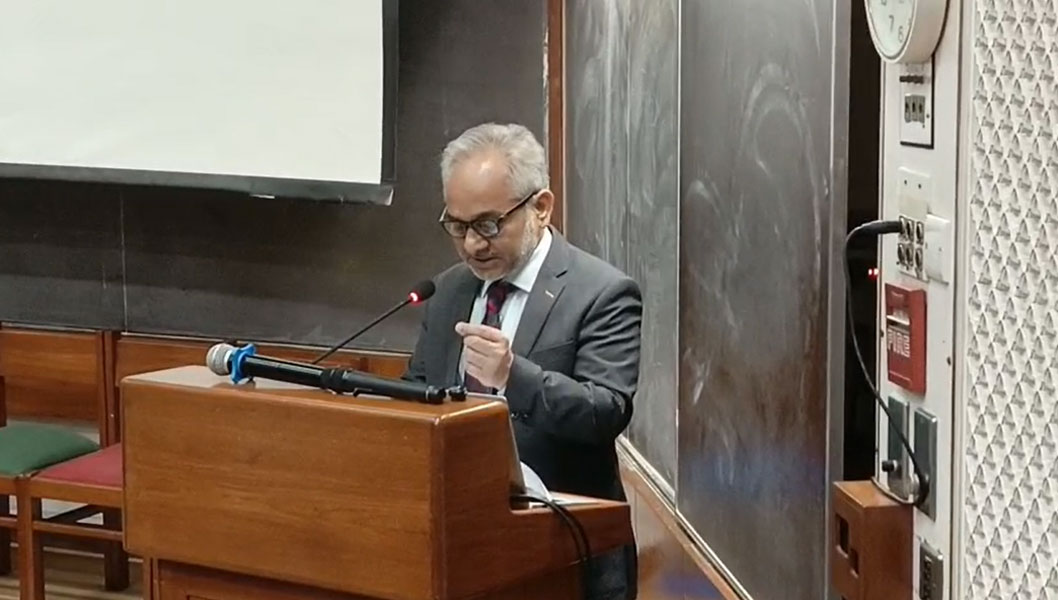
Professor Zafar Fatmi, Head of Environmental-Occupational Health and Climate Change at AKU’s Department of Community Health Sciences and Principal Investigator of the study, said this was the first household water intervention in which near-perfect adherence had been observed. He explained that by preventing repeated diarrheal infections, safe water effectively acts as nutrition, allowing children to recover and grow.

Dr Hira Tariq, Assistant Professor and Co-Principal Investigator, said conventional approaches such as daily chlorination of water are often impractical in rural settings without piped supplies. She added that the simplicity of the filter, which works passively without daily effort, has led to strong community acceptance.
The seminar concluded with a policy discussion involving representatives from WaterAid, the Pakistan Council for Water Resources, and government health agencies, focusing on the potential for large-scale deployment of the technology. Participants emphasized that if scaled nationally, the intervention could play a major role in reducing diarrhea-related illness, child malnutrition, and preventable deaths across rural Pakistan.
Professor Asad Ali, Chair of the Department of Community Health Sciences at AKU, said the early evidence suggests that this low-cost solution could become a critical public health tool, particularly in underserved and disaster-affected areas where access to safe water remains limited.