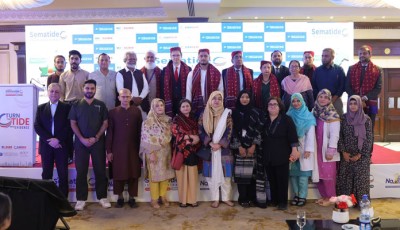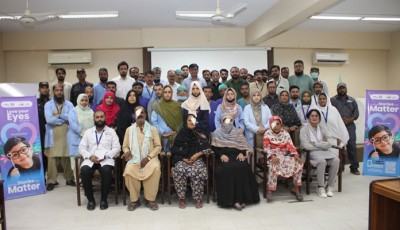

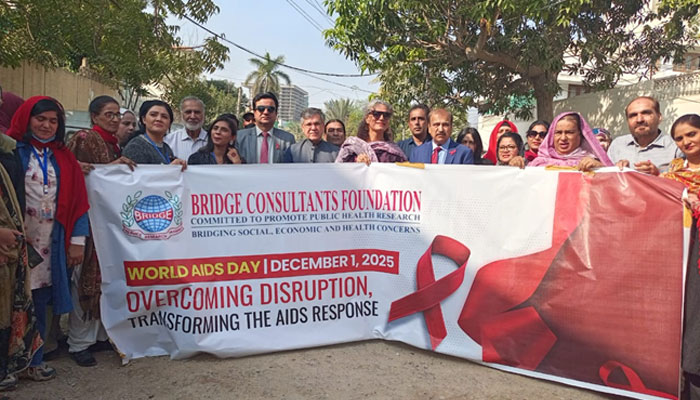
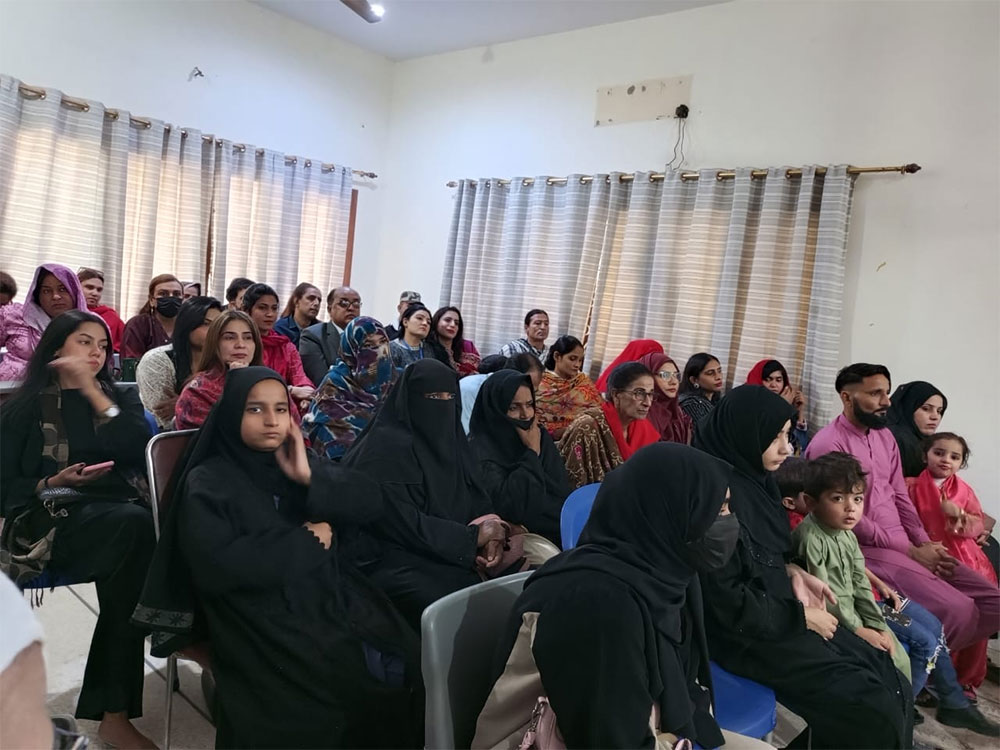
KARACHI: Bridge Consultants Foundation (BCF) marked World AIDS Day 2025 with a solidarity programme at its head office in Karachi, attended by health experts, government officials, media professionals, HIV-positive individuals and their families. This year’s theme, “Overcoming Disruption, Transforming the AIDS Response,” guided the discussions and highlighted the need for stronger resilience, community engagement and modern service delivery.
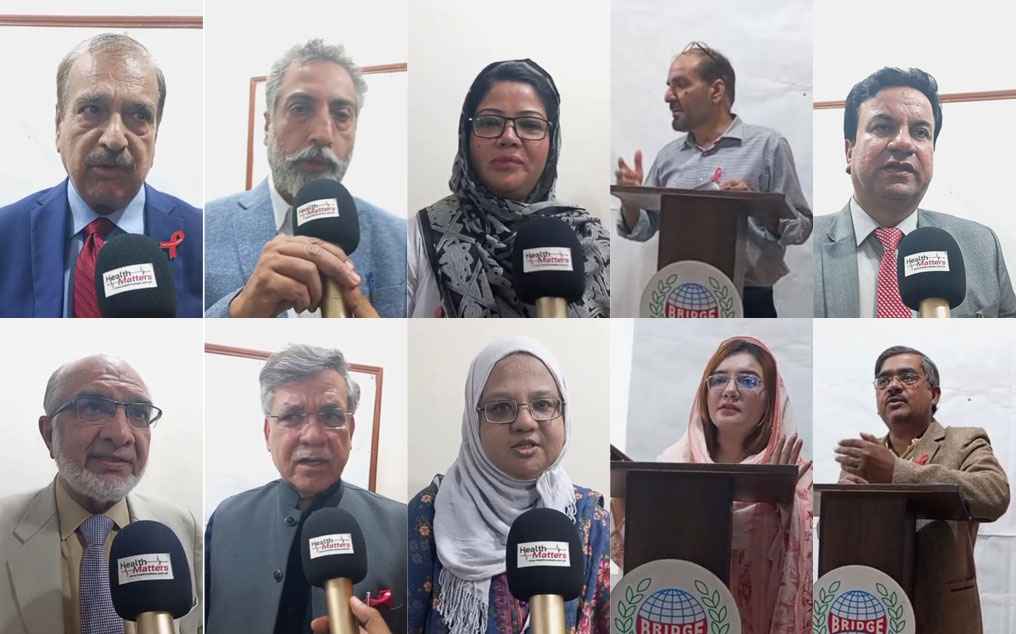
Executive Director BCF, Dr. Syed Sharf Ali Shah, opened the programme with a comprehensive review of the global, regional and national HIV situation. He said that post-pandemic disruptions, funding limitations and societal barriers have challenged HIV services across the world. He stressed the need for joint public–private collaboration and appreciated cooperation between the Sindh Health Department and private health institutions.
Keynote Speaker — Dr. Ghulam Ali Bozdar, Deputy Director CDC-I, delivered the central address and shared key updates about Sindh’s HIV response. He announced that the Sindh government has begun taking full ownership of the programme as international funding might end by 2026–27. He said the Health Minister has taken special interest in reviving funding for HIV and other health projects and that CDC-I has played a key role in this effort.
He added that the surveillance system, previously supported by donor agencies, is now completely run by the Health Department. After UNICEF projects were abruptly concluded, the Sindh government absorbed social mobilizers into its own system to ensure sustainability.
Dr. Bozdar said that Sindh is performing better than other provinces and has been appreciated at the national level. He highlighted that over 50 percent of HIV cases in Sindh are linked to unsafe injection practices, which must be addressed urgently through awareness and infection control.
He shared that 34 ART centres are operational in Sindh, with expansions being planned every year. Discussions are underway to establish separate ART facilities with extended timings to better serve patients beyond regular government hours.
He announced that the Health Minister has approved the essential drug list, calling it a major breakthrough for HIV treatment and future sustainability. He stressed the need for an interdepartmental approach and said that solutions must reach the roots of the problem rather than remain limited to surface interventions.
Following the keynote, Dr. Rafiq Kanani explained the significance of this year’s global theme and said that HIV services must become stronger, modern and stigma-free. He called for renewed efforts to promote community-friendly treatment systems.
Prof. Dr. Iqbal Afridi spoke on the psychological challenges faced by people living with HIV, noting that depression and social isolation remain serious concerns. He said mental health support should be included as part of standard treatment for HIV.
Senior Nutritionist, Ms. Shabana Abid, highlighted the importance of a balanced diet and supplements for building immunity and reducing viral load. She called for nutrition to be recognized as a core component of HIV care.
Senior anchorperson and health journalist, Akhtar Shaheen Rind, stressed the role of media in general and digital health platforms in particular in promoting awareness and changing public attitudes. He presented the example of Health Matters Media, a dedicated digital health journalism initiative, and urged institutions to engage trained journalists to highlight both challenges and positive developments in the health sector.
He said that Pakistan must develop capacity-building for health journalists, introduce health desks in newsrooms, and promote evidence-based, non-stigmatizing reporting to support public health initiatives.
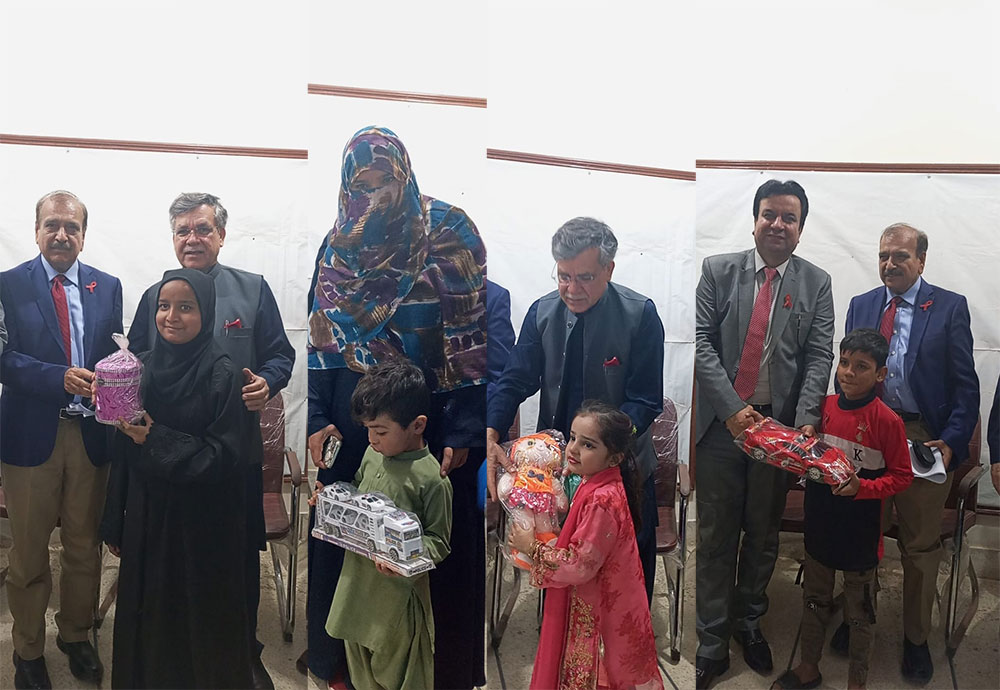
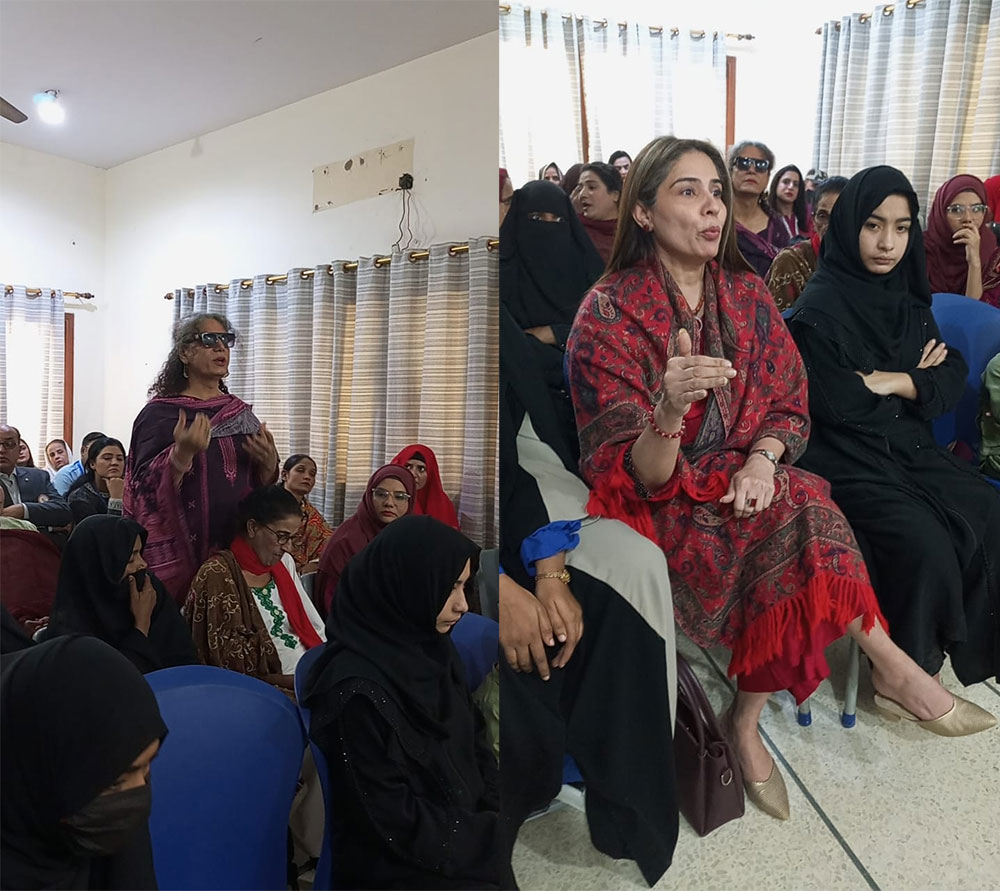
During the “Meet the Expert” session, panelists addressed participant questions and provided detailed explanations on treatment access, surveillance systems and future strategies. Gifts were distributed among HIV-affected children as a gesture of solidarity and compassion.
At the conclusion of the programme, BCF Programme Manager Waheed Khattak thanked all participants and reaffirmed the organisation’s commitment to continue its efforts against HIV/AIDS. The ceremony ended with a solidarity walk and luncheon, underscoring the message that Pakistan’s HIV response must evolve through strong public health leadership, digital engagement and responsible journalism.
Ok