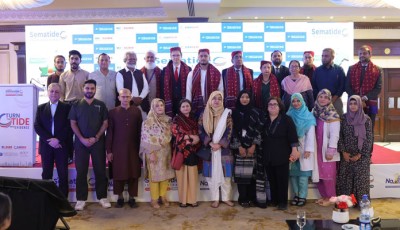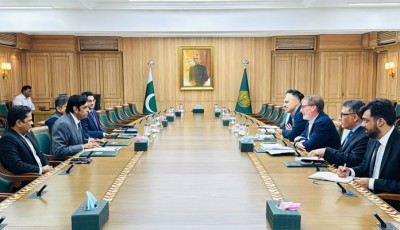

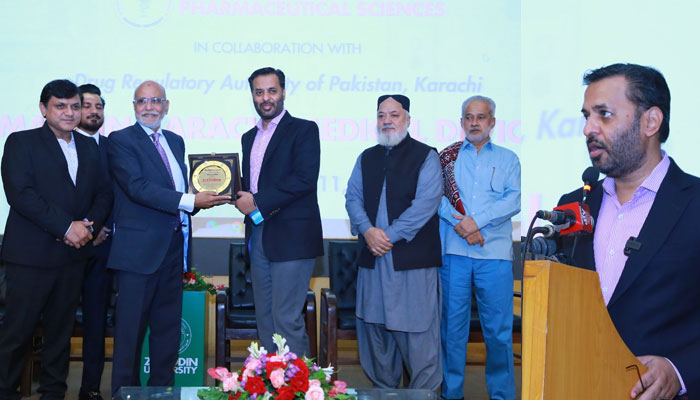
Karachi: Ziauddin University, in collaboration with the Drug Regulatory Authority of Pakistan (DRAP), organized a seminar titled “Made in Karachi – Medical Devices” to highlight Pakistan’s efforts toward strengthening local manufacturing and innovation in the medical devices sector.
Federal Minister for National Health Services, Syed Mustafa Kamal, attended the event as the Chief Guest. The seminar emphasized the crucial role of Karachi-based manufacturers in advancing Pakistan’s medical device industry through innovation, affordability, and compliance with global standards.
The event underscored that Pakistan’s medical and pharmaceutical export market currently stands at $1 billion, with plans to expand it to $30 billion within the next five years. The registration process for medical devices through DRAP has been digitalized, reducing the licensing period from several years to just 20 days, marking a significant step toward transparency and efficiency.
Acting Vice Chancellor of Ziauddin University, Prof. Dr. Abbas Zafar, reaffirmed the university’s support for the “Made in Pakistan” initiative, recognizing Karachi as a center for industrial and scientific excellence and a potential hub for medical device manufacturing.
Speakers from the Healthcare Devices Association of Pakistan (HDAP) called for government facilitation in taxation and production policies to strengthen local manufacturers. It was highlighted that Pakistan currently has nearly 100 medical device factories, and with supportive reforms, the country could expand its share in the $600 billion global market.
Representatives from DRAP highlighted ongoing efforts to strengthen regulatory frameworks in line with international standards, ensuring quality assurance, innovation, and patient safety.
The seminar concluded with an interactive panel discussion and Q&A session on “Strengthening Pakistan’s Medical Device Ecosystem: Challenges, Opportunities, and the Way Forward,” featuring experts from DRAP, industry, academia, and healthcare institutions.