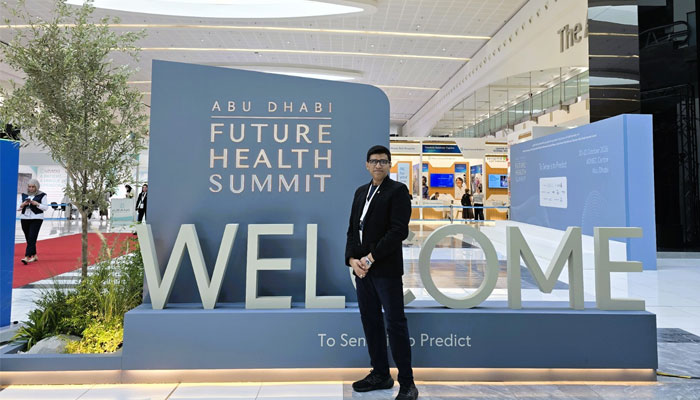
ABU DHABI, UAE: The Abu Dhabi Future Health Summit 2026 concluded on Thursday with a strong emphasis on artificial intelligence, predictive healthcare, genomics, precision medicine and international collaboration, highlighting a major transformation in global healthcare from treating diseases to predicting and preventing them before symptoms appear.
The three-day international summit, held from October 20 to 22 at the Abu Dhabi National Exhibition Centre (ADNEC), brought together policymakers, healthcare professionals, medical researchers, pharmaceutical executives, technology innovators and investors to explore emerging technologies and strategies that could redefine the future of human health.
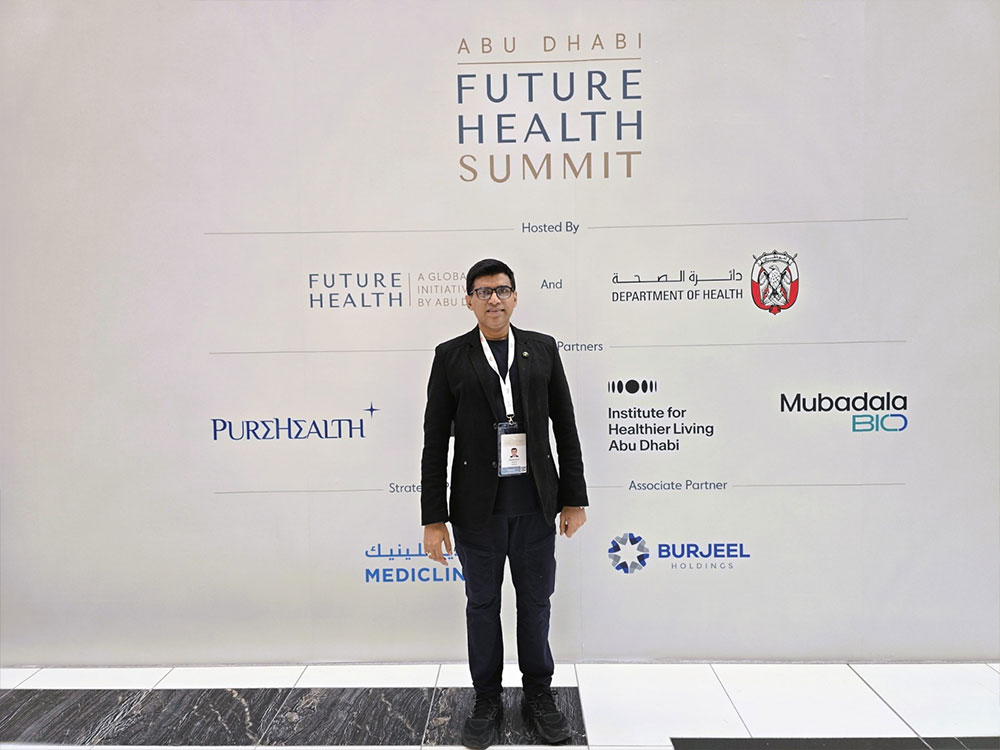
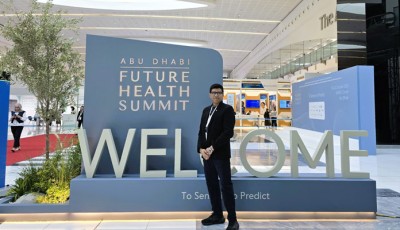
Organised by the Department of Health Abu Dhabi and Future Health, a global initiative by Abu Dhabi, the summit was held under the theme "To Sense Is to Predict," reflecting a growing international focus on preventive medicine, early disease detection and data-driven healthcare systems.
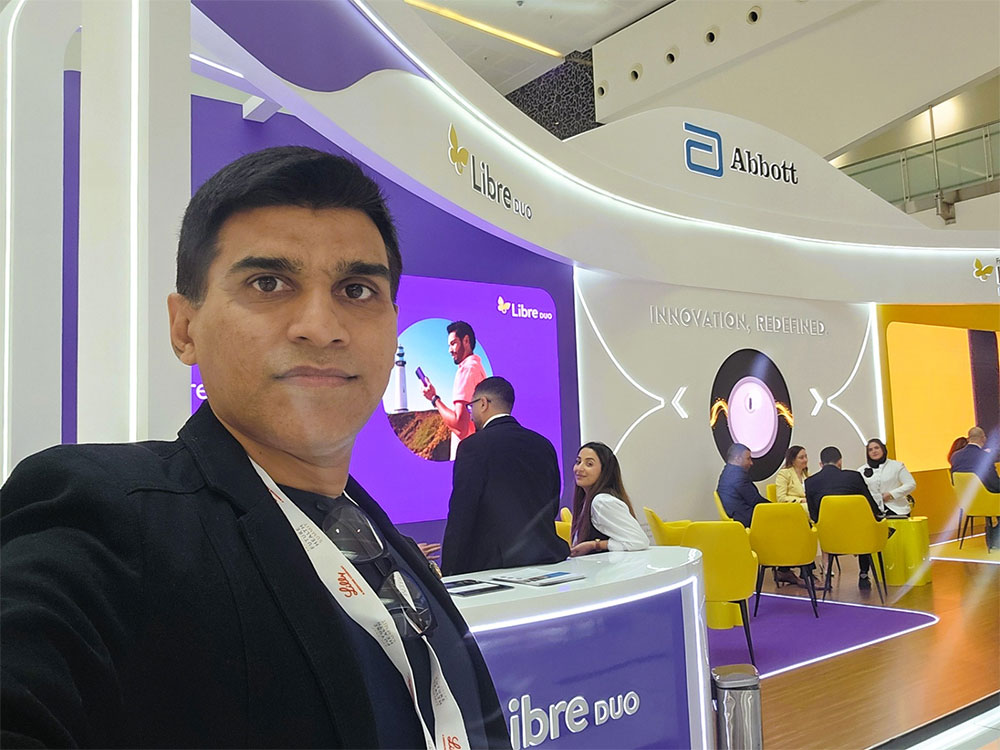
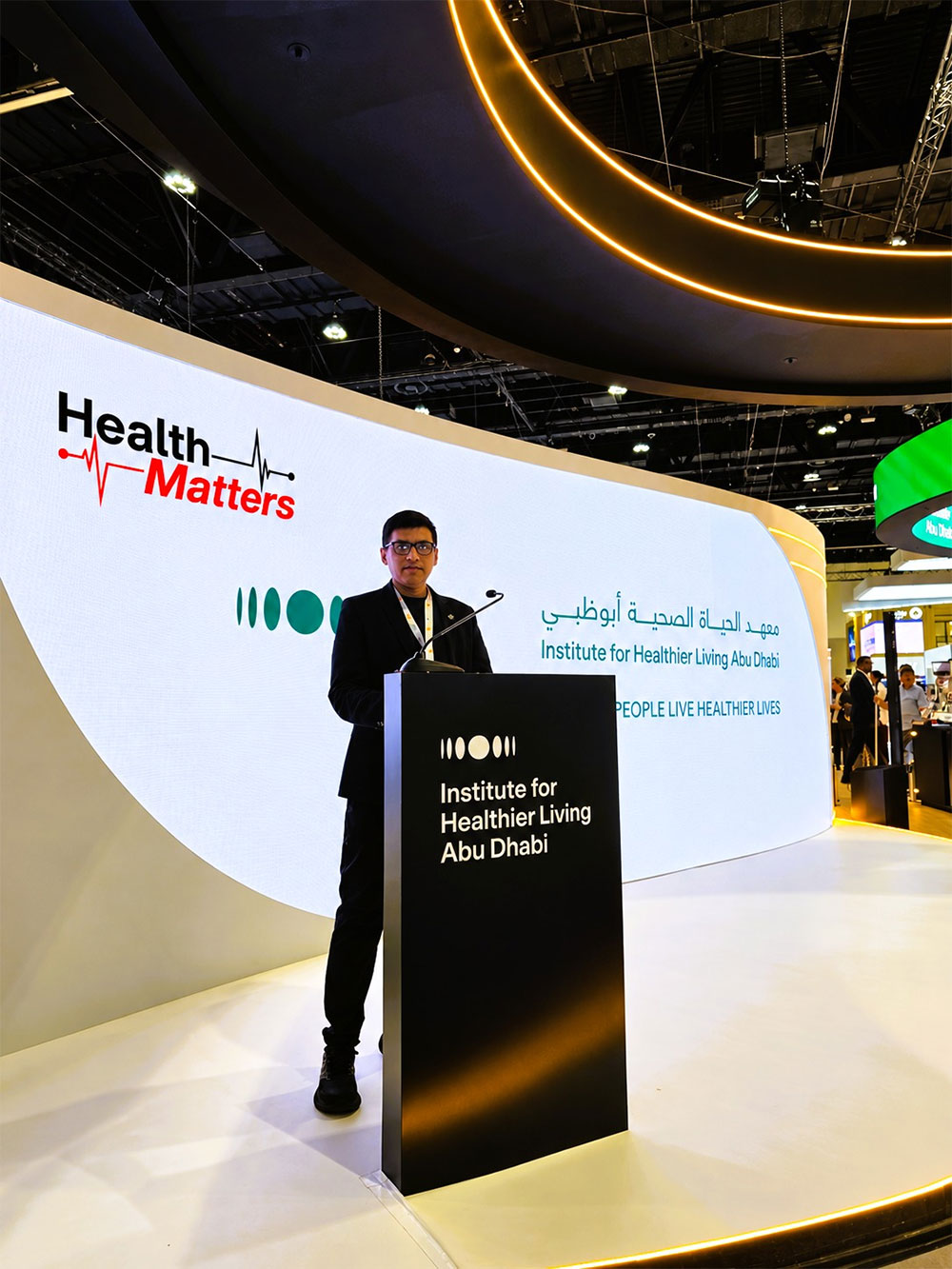
Health Matters Media participated as a media partner, with Waqar Khan representing the publication and covering major developments, scientific discussions and emerging healthcare technologies presented during the international gathering.
The summit featured more than 175 participating exhibitors, with representation anticipated from approximately 100 countries, providing a platform for scientific exchange, technological innovation, investment opportunities and international healthcare cooperation.
The opening ceremony featured an immersive technological presentation demonstrating how medical information, artificial intelligence and advanced analytics could transform healthcare decision-making at individual, community and institutional levels.
His Excellency Mansoor Ibrahim Al Mansoori, Chairman of the Department of Health Abu Dhabi, delivered the opening address and highlighted the emirate's ambition to establish a world-leading healthcare ecosystem supported by science, innovation, advanced technology and earlier medical intervention.
His Highness Sheikh Theyab bin Mohamed bin Zayed Al Nahyan attended the opening ceremony, while His Highness Sheikh Khaled bin Mohamed bin Zayed Al Nahyan, Crown Prince of Abu Dhabi, visited the summit and reviewed healthcare innovations presented by participating organisations.
Their participation demonstrated the UAE leadership's commitment to strengthening Abu Dhabi's position as an international centre for medical research, life sciences, biotechnology and healthcare transformation.
Artificial intelligence emerged as one of the most significant areas of discussion during the summit, with experts examining its potential to support early diagnosis, identify complex disease patterns, improve clinical decision-making, accelerate pharmaceutical research and enhance the efficiency of healthcare delivery.
Max Jaderberg, President of Isomorphic Labs, delivered a keynote presentation focusing on the application of artificial intelligence in drug discovery. Other discussions explored AI-supported physicians, intelligent surgical technologies and the increasing integration of advanced computing systems into clinical practice.
Healthcare experts emphasised that artificial intelligence should strengthen the capabilities of medical professionals rather than replace human expertise, clinical judgment and the essential relationship between doctors and patients.
A central focus of the summit was the transition from conventional disease treatment towards predictive and preventive healthcare. Experts discussed how genetic information, electronic medical records, wearable devices, environmental monitoring and advanced data analytics could help identify potential health risks before serious medical complications develop.
The discussions highlighted the growing importance of preventive strategies in addressing major global health challenges, including cardiovascular diseases, diabetes, cancer and other chronic illnesses responsible for substantial morbidity, mortality and healthcare expenditure.
Speakers also examined the scientific and ethical challenges associated with predictive medicine, particularly the reliability of early risk assessments, appropriate medical intervention and responsible management of sensitive patient information.
Genomics and precision medicine received considerable attention, with sessions focusing on rare genetic disorders, inherited diseases, cancer susceptibility, personalised treatment approaches and emerging therapeutic technologies.
Experts discussed how advances in genomic science could improve the diagnosis of rare diseases, enable more targeted cancer screening and help healthcare providers select treatments based on individual genetic characteristics.
Abu Dhabi's Emirati Genome Programme and Malaffi health information exchange platform were highlighted as important components of the emirate's expanding digital healthcare infrastructure, demonstrating the potential benefits of connecting genetic research, clinical information and healthcare services.
The summit also examined the future of cancer treatment, advanced diagnostic technologies and personalised medicine, with particular emphasis on translating scientific discoveries into practical solutions capable of improving patient outcomes.
Alongside technological innovation, participants discussed critical questions surrounding healthcare accessibility, affordability, data protection, sustainability and the potential inequalities that could arise if advanced medical technologies remained beyond the reach of developing countries and disadvantaged communities.
Experts stressed that technological progress would only achieve its full potential when healthcare innovations became accessible, affordable, reliable and beneficial to patients across different socioeconomic backgrounds.
Healthcare resilience, sustainable financing and investment in medical innovation were also prominent themes, reflecting the growing recognition that scientific breakthroughs require strong institutional partnerships, supportive regulatory frameworks and long-term financial commitments.
Senior representatives and experts associated with international organisations and companies, including AstraZeneca, Johnson & Johnson MedTech, WHOOP and Isomorphic Labs, participated in discussions on emerging healthcare technologies, pharmaceutical innovation, investment and future treatment models.
The summit provided opportunities for cooperation between governments, academic institutions, hospitals, biotechnology companies, pharmaceutical manufacturers and investors seeking to accelerate the development and implementation of next-generation healthcare solutions.
The growing involvement of major healthcare and investment organisations, including PureHealth, M42, Mubadala Bio and the Institute for Healthier Living Abu Dhabi, also highlighted the UAE's strategy to develop an integrated ecosystem supporting medical research, clinical innovation and commercial development.
For developing countries, including Pakistan, the discussions offered important insights into how digital health systems, artificial intelligence, preventive medicine and international scientific cooperation could contribute to improving healthcare delivery and addressing increasing disease burdens.
The summit underscored the need for healthcare systems to move beyond reactive treatment models and invest in early diagnosis, disease prevention, medical research, health information systems and accessible healthcare technologies.
Health Matters Media's participation as a media partner reflected its commitment to international health journalism and its efforts to bring emerging scientific developments, healthcare policies and technological innovations to healthcare professionals, policymakers and the general public.
Waqar Khan, representing Health Matters Media, covered the international gathering as part of the publication's initiative to strengthen awareness of global healthcare advancements and connect international medical developments with audiences in Pakistan and beyond.
The event also reinforced Abu Dhabi's growing position as a global destination for healthcare innovation, medical research, biotechnology and life sciences, supported by government initiatives and partnerships between public institutions and private sector organisations.
As healthcare systems worldwide face the challenges of ageing populations, rising chronic diseases, increasing treatment costs and unequal access to medical services, the summit highlighted the importance of international collaboration in developing sustainable and inclusive healthcare solutions.
The three-day gathering concluded with a clear message that the future of medicine lies not only in discovering more effective treatments but also in developing the scientific capabilities to predict health risks, prevent diseases and improve quality of life before serious illness occurs.
The Abu Dhabi Future Health Summit 2026 demonstrated that the integration of artificial intelligence, genomic science, advanced diagnostics and preventive healthcare could play a defining role in shaping the next generation of medical services.
However, participants emphasised that the ultimate measure of healthcare innovation would remain its impact on human lives through healthier communities, fewer preventable illnesses, improved patient outcomes and equitable access to quality healthcare.
The summit reaffirmed Abu Dhabi's vision of building a healthcare future that is more predictive, preventive, personalised, technologically advanced and accessible to people around the world.