
KARACHI: Aga Khan University Hospital has called for a comprehensive, community-wide approach to supporting children with Autism Spectrum Disorder, emphasising early identification, family-centred care, and the urgent need to reduce stigma.
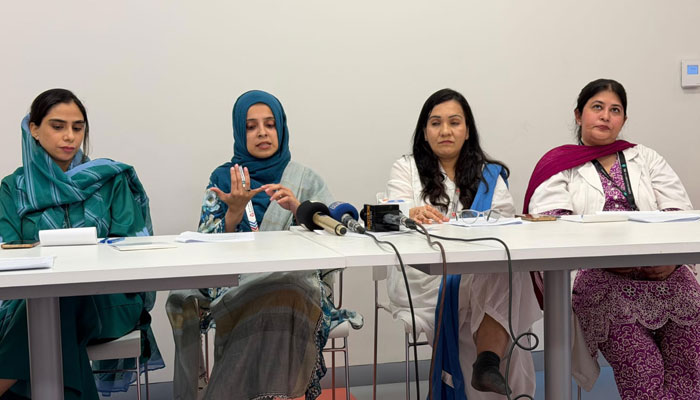
The call was made during a media roundtable organised in connection with World Autism Awareness Day, where experts highlighted that many children in Pakistan are diagnosed late, leaving families to navigate the condition with limited guidance and support.
Developmental paediatricians, speech and language therapists, and child psychiatrists at the session noted that while therapies are important, they alone are not sufficient to ensure meaningful outcomes for children with autism.
Citing data from the World Health Organization, speakers said approximately one in 127 children globally is diagnosed with autism. In Pakistan, although national surveillance data remains limited, increasing numbers of cases are being identified, particularly in urban centres. An ongoing study at AKUH involving 5,445 children has indicated a higher concentration of identified cases in middle-income settings, reflecting gaps in awareness and access across different socio-economic groups.
Professor Shahnaz Ibrahim, Section Head of Paediatric Neurology at AKUH, said the challenge extends beyond delayed diagnosis. She noted that a lack of awareness and persistent silence around autism often prevents families from seeking timely help, with many being advised to “wait and see,” resulting in missed opportunities for early intervention.
Experts stressed that autism is a neurodevelopmental condition affecting communication, social interaction, and behaviour, and is not caused by vaccines, poor parenting, excessive screen time, or spiritual factors. Early signs can appear within the first year of life, making timely identification critical.
The discussion also highlighted the importance of a broader support framework based on functional development, family involvement, and community integration. Panellists emphasised that effective support must go beyond clinical therapy to include inclusive education, peer interaction, and overall family wellbeing.
Dr Sidra Kaleem, Associate Professor at AKUH, underscored that improving outcomes requires coordinated efforts from families, schools, healthcare providers, and communities, rather than relying solely on clinical care.
The participants urged policymakers, educators, and healthcare professionals to prioritise routine developmental screening, expand access to trained specialists beyond major cities, and foster supportive environments where families can seek help without fear of stigma or discrimination.