
KARACHI: What began as a seemingly minor accident nearly claimed the life of 11-month-old Faris, an infant from the remote district of Badin. A fall from his baby walker—an everyday occurrence for toddlers—soon revealed a silent danger that had been lurking beneath the surface: a life-threatening brain bleed caused by undiagnosed hemophilia.
Faris’s family initially dismissed the incident as harmless. But as days passed, the baby became unusually drowsy, unresponsive, and showed signs of neurological distress. Alarmed, his parents rushed him to the Hemophilia Treatment Centre (HTC) at Abbasi Shaheed Hospital (ASH) in Karachi, where a CT scan unveiled a devastating diagnosis—massive intracranial hemorrhage.
With no time to spare, Dr. Shan-e-Zehra and the HTC team referred Faris to Patel Hospital for emergency neurosurgery under the care of Dr. Yaseen Rauf. The baby’s condition deteriorated rapidly. Within hours, a high-risk craniotomy was performed—an urgent attempt to save his young life.
But this was only the beginning.
A Rare and Silent Diagnosis: Hemophilia B
During and after surgery, doctors noted unusual bleeding that couldn’t be explained by trauma alone. A specialized hematology team, led by Dr. Munira Borhany, Medical Director at Hemophilia Welfare Society Karachi (HWSK), was brought in to investigate.
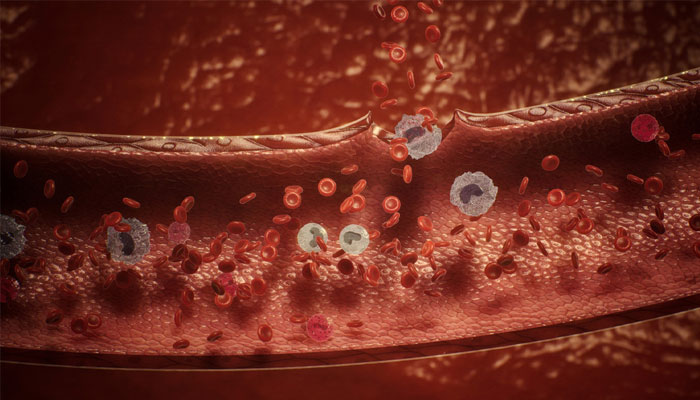
The culprit? Hemophilia B (Factor IX deficiency)—a rare, inherited bleeding disorder that impairs the blood’s ability to clot. In underserved areas like Badin, such conditions often go undetected until it’s almost too late.
Intracranial bleeding is one of the most severe complications in undiagnosed pediatric hemophilia. Without immediate intervention, it can be fatal.
The Lifeline: A Coordinated Emergency Response
As soon as the diagnosis was confirmed, Raheel Ahmed, Founder & CEO of HWSK, activated a rapid-response strategy:
Emergency clotting factor replacement therapy was administered from HWSK’s humanitarian stock—donated by the World Federation of Hemophilia (WFH) through Hemophilia Foundation Pakistan (HFP).
Intensive post-operative hematology care was managed by Dr. Borhany’s team.
Financial aid for ICU care, surgery, and hospital bills was facilitated through HWSK’s partnership with the Sindh Health Department.
Faris’s parents were provided with counseling, education, and hemophilia awareness, preparing them for a lifelong journey of care and vigilance.
The Road to Recovery
Today, Faris is stable, conscious, and on the path to recovery. A follow-up CT scan is underway, and he remains under continuous neurological and hematological observation.
More importantly, he is no longer alone. HWSK has enrolled him in its long-term hemophilia care program, ensuring regular follow-ups, access to lifesaving medication, and family support services.
A Wake-Up Call for Rural Healthcare
Faris’s story is not just one of survival—it is a call for awareness, early diagnosis, and systemic healthcare reform.
In Pakistan’s rural belt, thousands of children may be silently living with undiagnosed bleeding disorders. Faris’s near-tragedy highlights the urgent need for nationwide newborn screening programs, better training for primary healthcare providers, and accessible diagnostic resources.
Had his condition been detected earlier, a simple fall would not have escalated into a near-fatal emergency.
Let’s pray for Faris’s full and swift recovery. His fight reminds us of the power of timely intervention, compassionate care, and coordinated action.