
KARACHI: A new global assessment by Climate Action Tracker (CAT) has warned that despite a decade of international climate pledges, the world remains on a dangerously high-emissions path — a trajectory that poses severe and immediate risks for countries like Pakistan. The report finds that current global policies are insufficient to limit warming to the Paris Agreement’s 1.5°C target, raising fears of escalating climate disasters across South Asia.
According to the analysis, if nations continue implementing only their existing climate measures, global temperatures could rise by up to 2.6°C by the end of the century. Even full implementation of all Nationally Determined Contributions (NDCs) would only lower this figure to around 2.2°C, while the most optimistic scenario — where all long-term promises including net-zero targets are met — still results in about 1.9°C warming. Scientists describe all these outcomes as far above the safe threshold for climate stability.
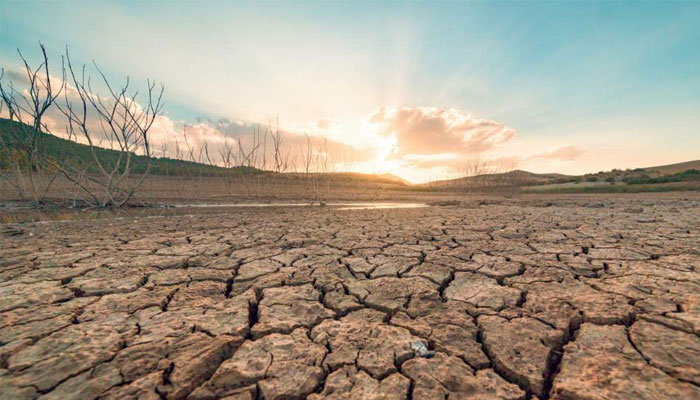
The findings carry particularly serious implications for Pakistan, one of the world’s most climate-vulnerable countries where every fraction of a degree translates into heightened human and economic loss. Over the past two years, Pakistan has endured record-breaking heatwaves, glacial melt, prolonged droughts and destructive monsoon flooding that has displaced millions and eroded fragile infrastructure. Experts warn that a global rise beyond 1.5°C could trigger more frequent heat emergencies, further strain water resources and intensify the scale of future floods and storms.
While the CAT report acknowledges major progress in renewable energy — with solar and wind generation globally surpassing coal for the first time in 2025 — it highlights that continued expansion of coal, oil and gas production in several countries is cancelling out these gains. Policy rollbacks in major economies and new coal investment in China, India and Indonesia are also undermining global progress.
For Pakistan, the stalled global climate response increases pressure on national authorities to strengthen resilience, accelerate renewable-energy adoption and improve early-warning systems. Policymakers and climate specialists note that Pakistan has contributed less than 1% to global emissions, yet faces disproportionate impacts — making stronger international action essential for its long-term safety.
Climate Action Tracker, a respected international scientific consortium, warns that without rapid and decisive global progress toward 2030 goals, the 1.5°C limit could be breached within the next decade, pushing vulnerable countries like Pakistan deeper into climate-driven instability.