
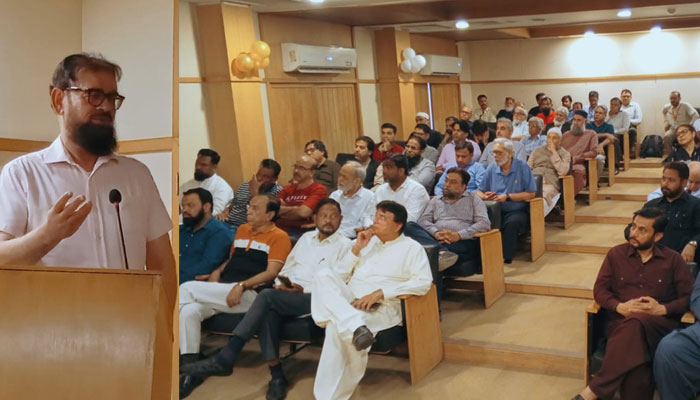
KARACHI: Indus Hospital and Health Network (IHHN) Founder and President Professor Dr. Abdul Bari Khan has said that when philanthropists, benefactors and the business community come together to serve humanity, it creates convenience for the deprived and downtrodden sections of society.
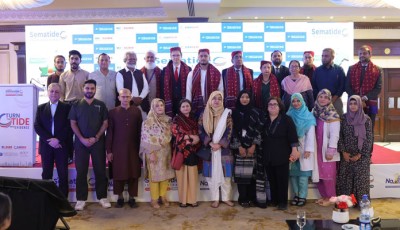
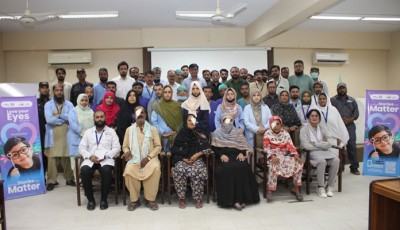
He was speaking at a special “Meet and Greet” event held at Indus Hospital Korangi, Karachi. The gathering was attended by Karachi Press Club President Fazil Jamili, Secretary Sohail Afzal Khan, Joint Secretary Muhammad Munsif, senior journalists Abrar Bakhtiar, Ibrahim Rind, Mazhar Ali Raza, Asif Jiyeja, Qazi Nasiruddin and others. A delegation from Anjuman Tajran Sindh Hyderabad and Karachi, led by Salahuddin Ghauri and Javed Shams, along with philanthropists from various walks of life, including the corporate sector, also participated.
On this occasion, the attendees met Dr. Abdul Bari Khan in person, paid tribute to him for his outstanding services, and appreciated the unparalleled performance of the Indus Hospital and Health Network.
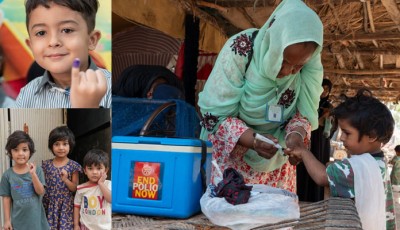
Briefing the audience about the hospital’s 18-year journey, Dr. Bari said the institution was founded in 2007 with the spirit of serving humanity and the determination to provide high-quality medical treatment free of charge. “With the help of Allah Almighty and the active participation of philanthropists, today we are running 13 hospitals and more than 100 primary healthcare units across the country,” he said.
He added that IHHN is treating millions of patients free of charge every year in Karachi, Badin, Jamshoro, Lahore, Gwadar, Multan, Bahawalpur, Rahimyar Khan, Quetta, Sui, and Peshawar. The hospital’s scope of services has spread even to remote areas where there is a severe lack of medical facilities.
Highlighting the network’s role during the recent floods, Dr. Bari said Indus Hospital had organized more than 400 medical camps in the affected areas. “Lab tests have been conducted on more than ten thousand patients, while about 55,000 people, including more than 40,000 adults and 14,000 children, have received treatment. This process is still ongoing,” he added.