
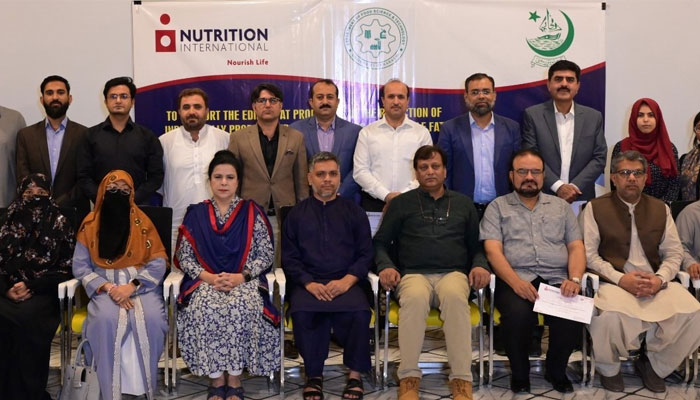
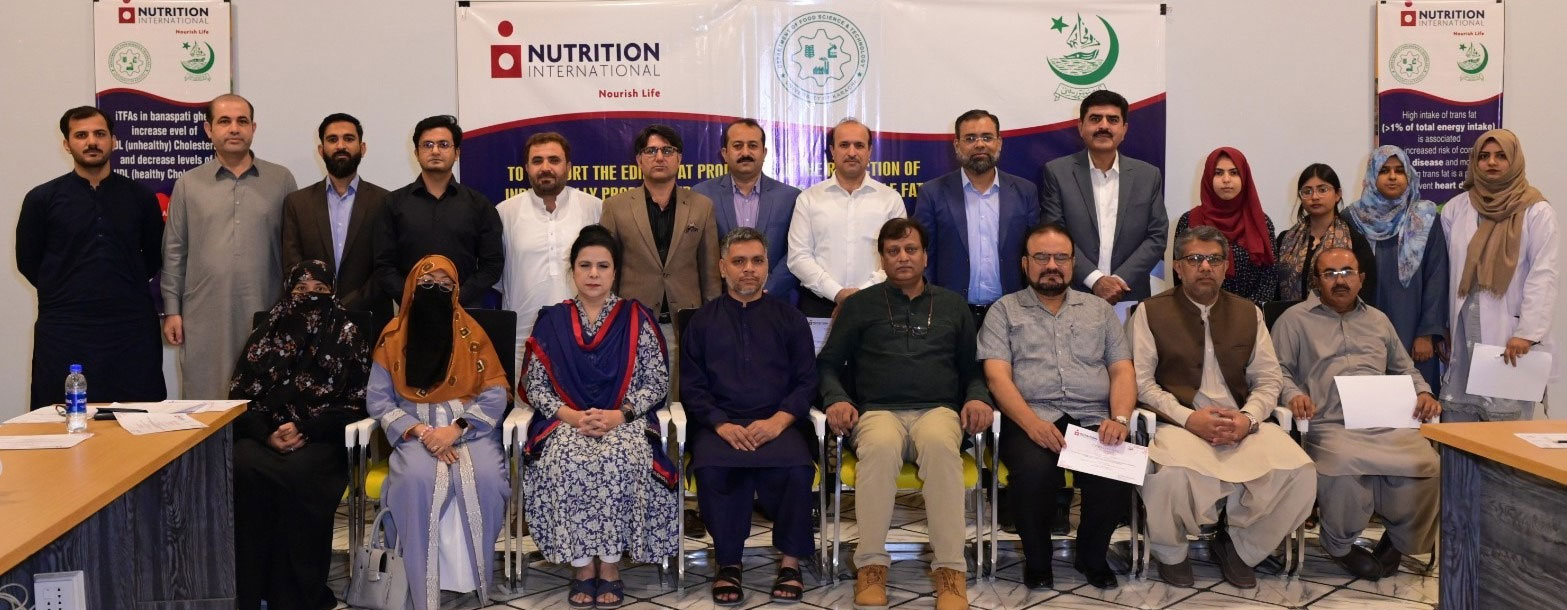
KARACHI: The Department of Food Science and Technology at the University of Karachi, in collaboration with Nutrition International, organized an awareness and training session aimed at eliminating industrially produced trans fatty acids (iTFA) and strengthening the implementation of relevant public health measures.
The session focused on educating participants about the harmful effects of industrial trans fats and the practical steps required to reduce their presence in the food supply chain. KU’s acting vice chancellor, Professor Dr. Muhammad Haris Shoaib, said the initiative would not only help raise awareness but also enhance the enforcement capacity of food authorities. He emphasized the urgent need to control industrial trans fats, noting their significant contribution to rising non-communicable diseases, particularly cardiovascular diseases, in Pakistan.
Dean of the Faculty of Science, Professor Dr. Bilqees Gul, highlighted the importance of scientific research in developing fats based on modified triacylglycerol structures. She said improving the fatty acid profile of oilseed varieties could help lower iTFA levels, providing a safe and effective alternative for public health.
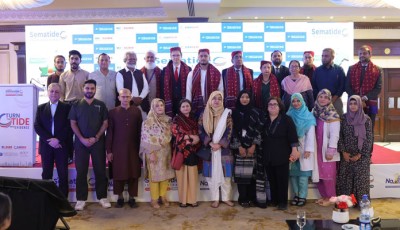
The session was attended by senior officials including Director General of the Balochistan Food Authority Waqar Khurshid Alam, Technical Director of the Sindh Food Authority Dr. Ahmed Ali Shaikh, Director of PSQCA Ashraf Pahlari, experts from PCSIR, and the Nutrition International team led by National Program Manager Hafeezullah Gambhir.
KU’s Chairperson of the Department of Food Science and Technology, Dr. Muhammad Abdul Haq, highlighted key challenges faced by the food industry in producing iTFA-free products. Associate Professor Dr. Syed Muhammad Ghufran Saeed presented scientific findings on the harmful effects of fats containing more than two percent iTFA, noting that six out of every ten deaths in Pakistan are caused by non-communicable diseases, with cardiovascular illnesses accounting for nearly half of them.
Participants concluded the program with a pledge to ensure strict compliance with existing regulations to maintain trans fatty acid levels in edible fats below two percent, terming the step crucial for safeguarding public health and aligning Pakistan with international health standards.