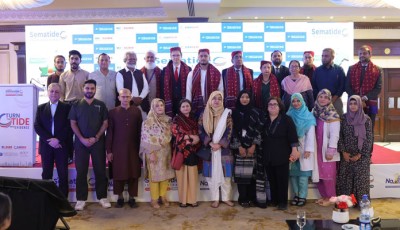

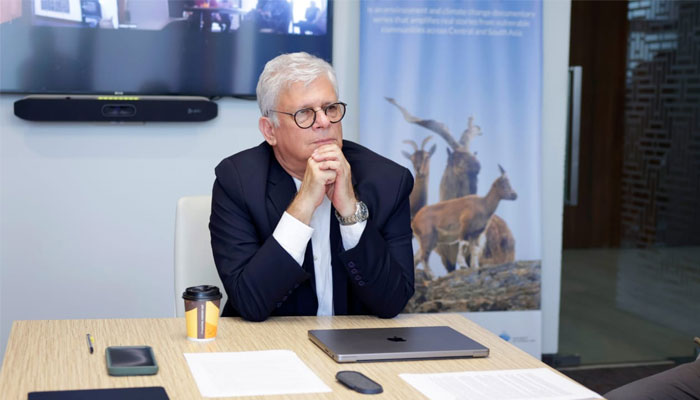
KARACHI: Ahead of Earth Day 2026, the Aga Khan University (AKU) organized a media roundtable bringing together journalists, environmental experts and stakeholders to highlight the growing threat of climate change to Karachi’s coastal ecosystems, particularly mangrove forests.
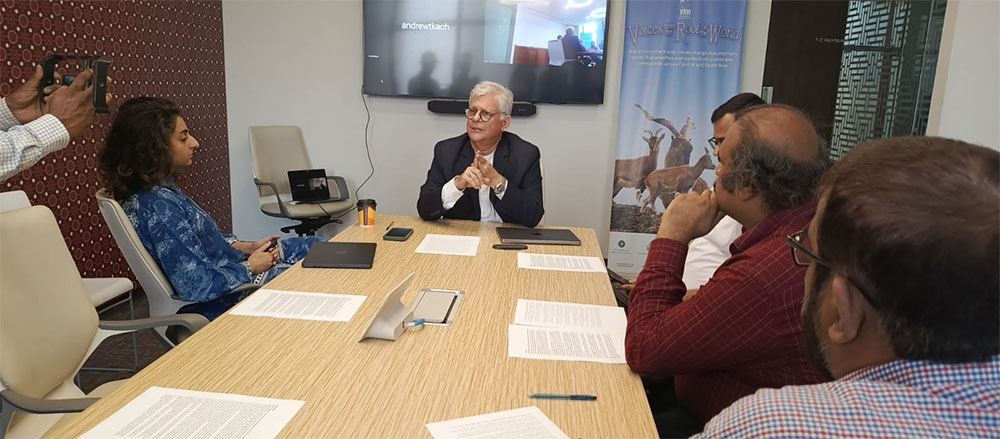
The session featured a screening of the documentary “A Forest in Peril” by architect and environmentalist Tariq Alexander Qaiser, which focuses on the vulnerability and resilience of mangroves on Bundal Island. The film underscores the critical role these ecosystems play in protecting coastal areas from erosion, rising sea levels and extreme weather events.
Speaking on the occasion, Tariq Alexander Qaiser said the loss of mangroves is not only an environmental concern but also a human issue, as these ecosystems protect communities, sustain livelihoods and maintain ecological balance. He warned that their degradation increases risks for both people and nature.
Mangroves in Pakistan serve as a vital buffer for coastal communities and support biodiversity and local economies. However, increasing pressures from climate change and rapid urban expansion continue to threaten their survival, raising concerns about long-term environmental and socio-economic impacts.
The documentary, part of the global Voices from the Roof of the World (VRW) series supported by AKU, presents a multi-year narrative capturing efforts to preserve fragile ecosystems and the lived experiences of communities affected by climate change.
Andrew Tkach, Executive Director of VRW, praised the filmmaker’s dedication, stating that his work reflects the importance of highlighting Karachi’s largely overlooked mangrove forests and aligns with the broader mission of the documentary series.
The screening was followed by an interactive discussion, providing media representatives an opportunity to examine the wider implications of environmental change on coastal regions and the role of responsible reporting in raising awareness.
The event was part of AKU’s broader Earth Day activities aimed at promoting environmental sustainability, encouraging informed public discourse, and strengthening the role of storytelling in bridging the gap between science, policy and public understanding.