
ISLAMABAD: The National Commission on the Status of Women (NCSW) has called for immediate, effective and result-oriented police action across Pakistan to address the alarming rise in rape, murder, harassment and other forms of gender-based violence against women and girls.
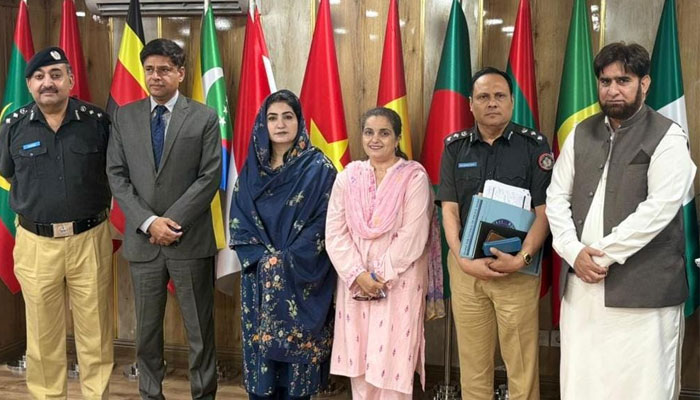
The demand came during a high-level meeting chaired by NCSW Chairperson Noureen Bano Lehri and attended by senior police officials from across the country.
The Commission expressed grave concern over recent incidents and took notice of the Hina Javed, Ayat Noor and Asma Jattak cases, as well as cases in Sindh involving the deaths of three-year-old Kulsoom Mohammed Qasim and 18-month-old Aizal in Karachi. Concern was also raised over the recently reported sexual assault of a nine-year-old girl in Shikarpur, whose identity has not been disclosed.
Lehri directed police authorities to ensure swift, transparent and merit-based investigations, effective prosecution and timely justice in all cases involving violence against women and girls. She stressed that negligence, unnecessary delays or failures in investigation would not be tolerated.
The NCSW also called for special courts or dedicated judicial mechanisms for gender-based violence cases to ensure speedy disposal and prevent prolonged delays in justice.
The Commission urged police authorities to strengthen patrolling, surveillance and preventive measures in areas where women and girls face heightened risks. It also stressed the need to increase public awareness about police services, complaint mechanisms and emergency avenues available to women seeking protection.
NCSW called for effective monitoring of madaris, schools, colleges, universities and other educational institutions to prevent harassment, abuse and violence. It also recommended comprehensive gender-based violence awareness and prevention programmes, with particular emphasis on sensitising boys and young men to respect and protect the rights and dignity of women and girls.
The Commission further stressed specialised training and capacity building for police and investigation officers, doctors, prosecutors, judicial officers and prison staff for gender-sensitive handling of survivors and GBV cases. Investigation officers dealing with such cases should not be unnecessarily transferred or burdened with additional duties while critical investigations are underway.
Strict action against illegal jirgas was also demanded to prevent unlawful mechanisms from undermining women's rights, due process and access to justice.
The NCSW directed that case-by-case GBV data be shared and reviewed every month. Inspector Generals of Police were asked to provide regular updates on investigations, prosecution, pending cases, challenges and measures being taken to control violence against women and girls.
The Commission also sought effective linkage of its Complaint Management System with police leadership for timely referral and follow-up of complaints, along with closer coordination between police, Women Development Departments and Provincial Commissions on the Status of Women.
Regarding women prisoners, NCSW called for stronger monitoring of their welfare, protection and rehabilitation. It stressed equal compensation for women engaged in vocational or productive labour and called for education, skills development, financial literacy and rehabilitation programmes to help them rebuild independent lives after release.
The meeting was attended by SSP Investigations Punjab Khurram Shehzad, DIG Crimes Khyber Pakhtunkhwa Muhammad Hussain, SSP Kamar Rizvi from Sindh and Additional Inspector General (Operations) Balochistan Shahzad Akbar, along with senior police representatives from federal entities.
Lehri said the protection and safety of women and girls was a non-negotiable responsibility of the state and stressed that cases involving Hina Javed, Ayat Noor, Asma Jattak, Kulsoom Mohammed Qasim, Aizal and other victims must not become mere statistics.
“There can be no compromise on the safety, dignity and fundamental rights of women and girls,” she said, calling for measurable institutional action, stronger prevention mechanisms and effective justice.