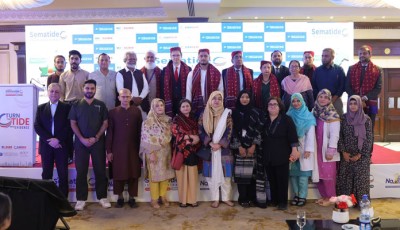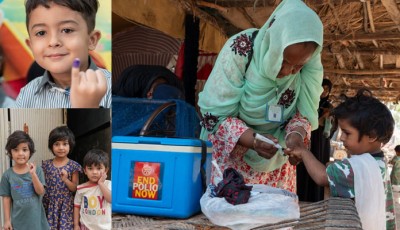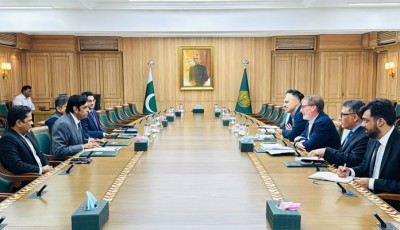

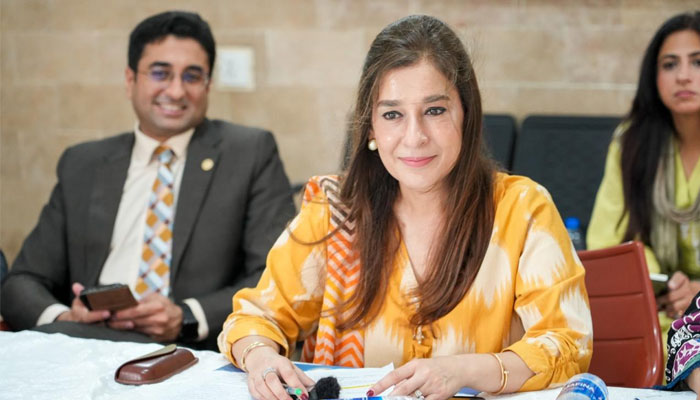
KARACHI: Prime Minister’s Focal Person for Polio Eradication and Global Polio Eradication Initiative Gender Champion Ayesha Raza Farooq held a series of listening sessions in Karachi with frontline polio workers, area supervisors, digital champions and journalists as Pakistan intensifies preparations for the upcoming September subnational vaccination campaign.
The engagements were part of the Pakistan Polio Eradication Initiative’s regular senior management consultations with frontline teams across the country. Karachi and Sindh remain central to the national effort to interrupt poliovirus transmission.
Sindh has reported one polio case in 2026, compared with nine during the corresponding period last year. An increasing number of environmental surveillance sites across the province are also testing negative for poliovirus.
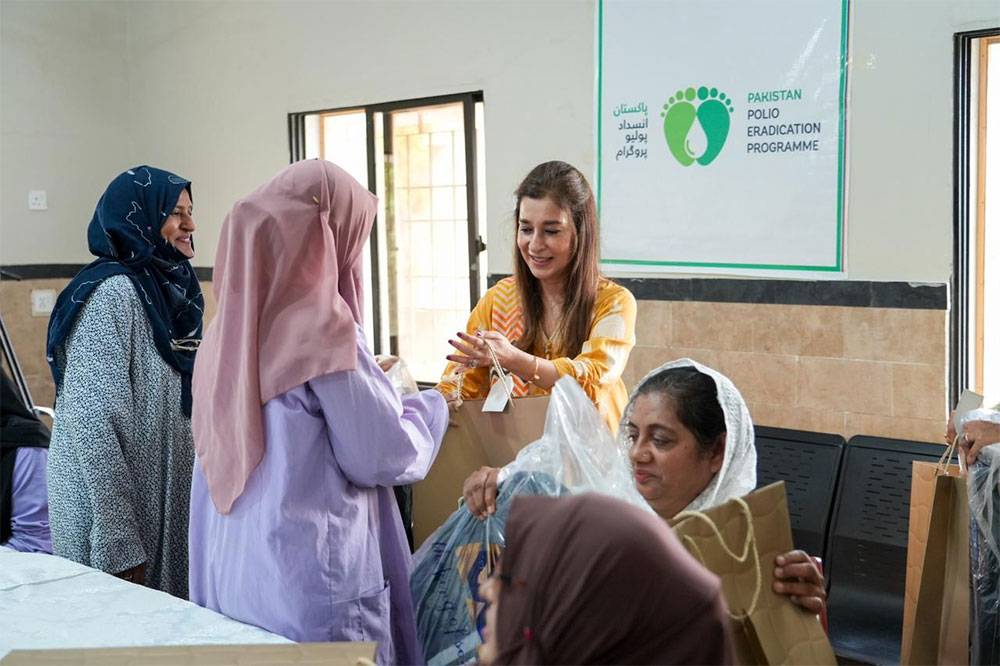
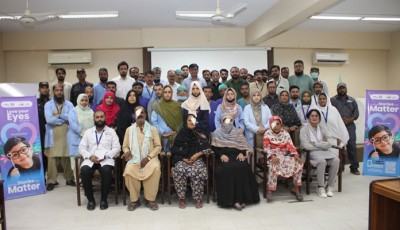
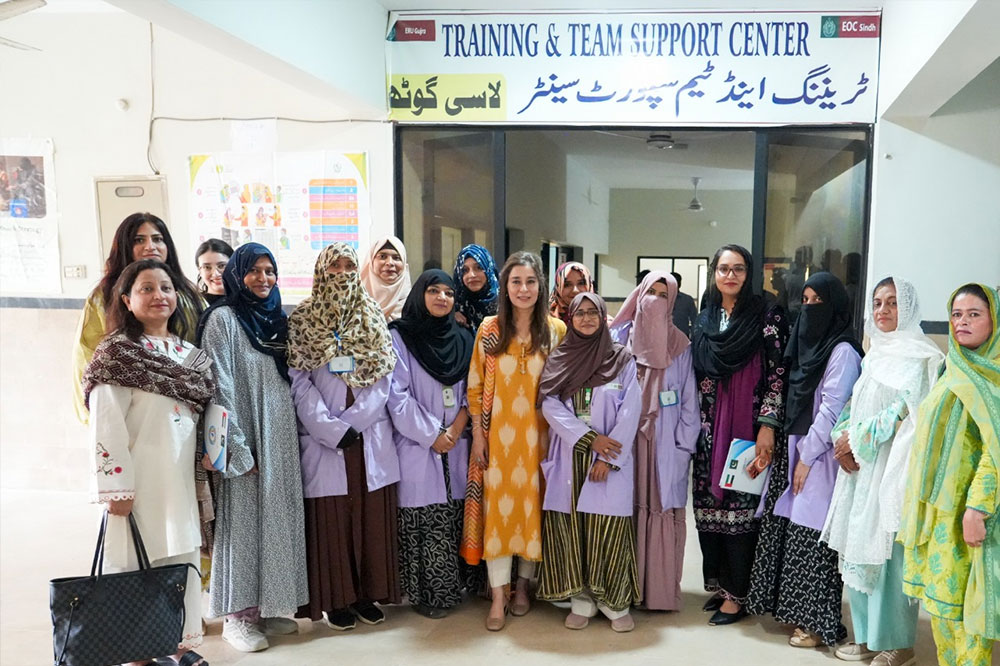
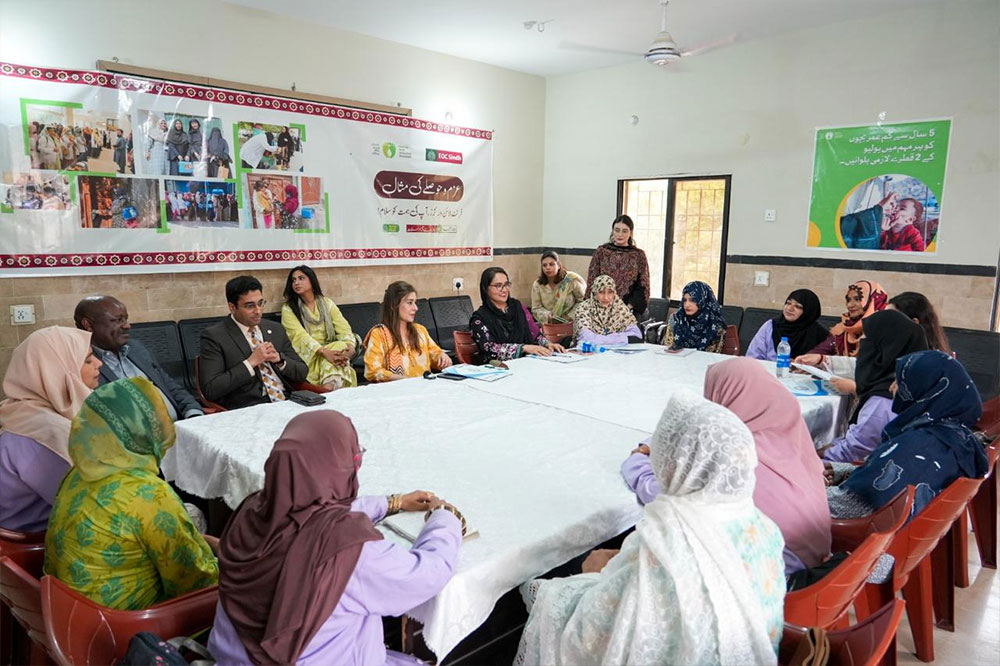
During her visit to a government health facility, Farooq met frontline workers at a recently upgraded Team Support Centre. She held an open discussion about their field experiences, available support and challenges faced before and during vaccination campaigns.
The session concluded with the identification of immediate and practical improvements for follow-up by local and provincial authorities.
Farooq also met area supervisors who had recently completed training in leadership and supportive supervision. According to the programme, the skills of 1,437 area supervisors overseeing full-time community vaccination services in selected districts have been strengthened over the past year.
Discussions focused on improvements in team management following the training and measures needed to reduce operational and reporting burdens on field teams.
“Our frontline workers are the first line of trust in the fight against polio. They are the people communities know, turn to and open their doors to, and they keep showing up despite real challenges and risks,” Farooq said.
She described their work as heroic and said their courage, commitment and dedication were essential to ending polio in Pakistan.
The focal person also met PEI Digital Champions—frontline workers trained to counter misinformation and build public confidence in vaccines through social media. The initiative has produced more than 1,400 posts that have collectively generated over 6.15 million views.
Several digital champions said their online visibility had increased their recognition and helped them gain easier access to households during field activities. PEI leadership observed that this recognition could contribute to greater acceptance and improved safety of workers within communities.
In her capacity as GPEI Gender Champion, Farooq concluded the visit with a dialogue involving female journalists covering health and development in Sindh.
The discussion covered challenges faced by women journalists and opportunities for closer collaboration between the media and frontline teams to highlight underreported health issues, particularly the experiences of women working on the frontlines of the polio programme.
The PEI said it would continue holding senior-level listening sessions with frontline teams nationwide to ensure their concerns and recommendations inform programme decisions.
Pakistan is working to interrupt poliovirus transmission by June 2027, with the programme maintaining that stronger support, protection and recognition of frontline workers will be critical to achieving this objective.