
ISLAMABAD: A national dialogue convened by the National Commission on the Status of Women (NCSW) in collaboration with the International Labour Organization (ILO) and the United Nations Development Programme (UNDP) has called for urgent and coordinated action to bridge the gender wage gap in Pakistan, where women continue to earn significantly less than men despite gradual improvements in labour force participation.
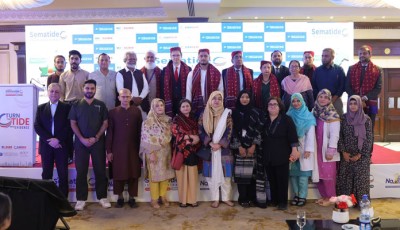
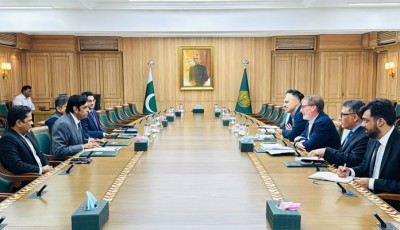
The high-level consultation, titled “Bridging the Gender Wage Gap in Pakistan: From Evidence to Action,” brought together policymakers, labour experts, private sector leaders, development partners and civil society representatives to advance evidence-based strategies aimed at achieving equal pay for work of equal value. Participants stressed that wage inequality remains a structural issue rooted in informality, limited access to opportunities, and weak enforcement of labour standards.
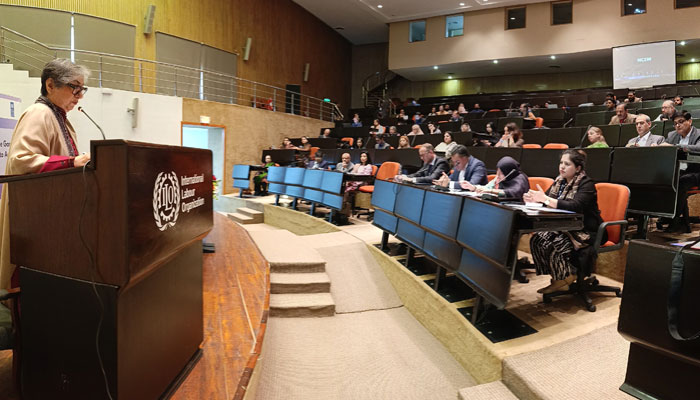
Opening the session, NCSW Chairperson Ume Laila Azhar said equal pay was not merely a statistical matter but a question of justice, governance and economic transformation. She noted that women in Pakistan earn approximately 25 to 30 percent less than men and continue to face barriers in accessing leadership positions and decision-making forums. She reaffirmed the Commission’s commitment to strengthening policy frameworks, institutional accountability and multi-stakeholder partnerships to promote inclusive economic growth.
Geir Thomas Tonstol, Country Director of the ILO, described closing the gender pay gap as both an economic and social imperative, emphasising the need for transparency in wage structures, compliance with labour standards and stronger data systems. He reiterated the ILO’s continued support to Pakistan in advancing decent work and pay equity.
Samuel Rizk, Resident Representative of UNDP in Pakistan, highlighted that wage equality is fundamental to human rights and sustainable development. He underscored UNDP’s ongoing support to the government through initiatives such as the National Action Plan on Business and Human Rights and efforts to strengthen gender-responsive governance mechanisms.
Nadeem Aslam Chaudhary, Secretary of the Ministry of Overseas Pakistanis and Human Resource Development, outlined ongoing institutional reforms and labour governance initiatives, reaffirming the government’s resolve to enhance compliance, improve enforcement and promote inclusive labour market systems.
Presenting key evidence, ILO Senior Programme Officer Rabia Razzaque stated that Pakistan’s gender pay gap remains close to 30 percent, which is higher than several regional averages. She stressed the importance of collecting robust, sex-disaggregated labour data and translating evidence into concrete policy measures.
Experts participating in the dialogue called for a comprehensive approach to address the issue. UNDP Business and Human Rights Specialist Amber Asghar urged companies to align with the UN Guiding Principles on Business and Human Rights and proactively eliminate discriminatory wage practices. Gender expert Aliya Hashmi highlighted the need to integrate gender considerations into macroeconomic planning, recognise the value of the care economy and adopt inclusive, data-driven economic policies.
Iftikhar Ahmed of the Centre for Labour Research emphasised closing legislative gaps, extending legal protections to informal sector workers and aligning national labour laws with international standards.
Samia Liaquat Ali Khan, Chief Executive Officer of QAISEN Strategies, underscored the importance of recognising women’s unpaid and informal contributions, particularly in agriculture and home-based work, and promoting fair valuation and social protection measures.
Wajeeha Bashir, Deputy Secretary at the Ministry of Finance, pointed to the critical role of gender-responsive budgeting and fiscal policy in advancing equitable growth and expanding women’s participation in the formal economy.
The dialogue concluded with a collective commitment by stakeholders to move beyond research and adopt practical measures to strengthen labour governance, formalise women’s employment, improve wage transparency, enhance institutional coordination and ensure equal pay for work of equal value across all sectors in Pakistan.