
ISLAMABAD: The Regional Reference Laboratory for Polio Eradication at the National Institute of Health (NIH) has confirmed a new case of wild poliovirus in District Bannu, South Khyber Pakhtunkhwa (KP), raising Pakistan's total number of polio cases to 12 for the year 2025.
The latest victim is a 33-month-old male child from Union Council Shamsikhel, Bannu. This marks the sixth confirmed case from KP this year, following four from Sindh and one each from Punjab and Gilgit-Baltistan.
Despite significant nationwide progress in polio eradication, southern KP remains a hotspot due to persistent access issues and operational challenges in house-to-house vaccination drives. These hurdles continue to leave thousands of children unvaccinated, placing them at high risk of contracting the virus.
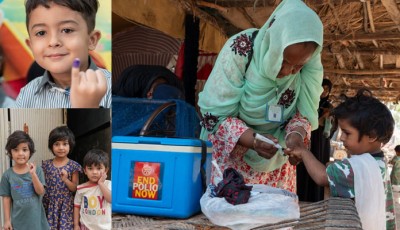
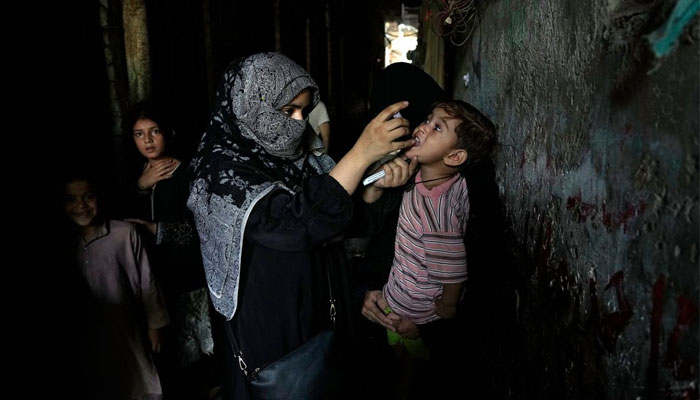
The Pakistan Polio Eradication Programme has carried out three nationwide vaccination campaigns in 2025—in February, April, and May—successfully reaching over 45 million children with the help of more than 400,000 frontline workers, including 225,000 female vaccinators. This widespread effort reflects growing public trust and strong coordination among partners.
However, incomplete coverage in hard-to-reach areas like South KP threatens to undermine the national momentum against the disease.
Polio is a crippling, incurable disease that spreads rapidly and can cause lifelong paralysis. Repeated doses of the oral polio vaccine (OPV) are the only proven method to protect children under five and stop transmission.
The Polio Eradication Programme urges all parents and caregivers to ensure that their children receive every dose of the vaccine in every campaign. Each dose strengthens immunity and moves Pakistan closer to the goal of a polio-free future.
Community engagement remains essential. Together, we can end polio—once and for all.