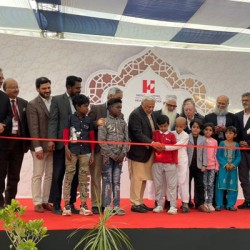


LAHORE: The formal inauguration of the Punjab Agriculture, Food and Drug Authority (PAFDA) laboratory has been described by legal and regulatory experts as a major milestone towards strengthening science-based regulation in Pakistan’s pharmaceutical, cosmetics, food and agriculture sectors.
Commenting on the development, Noor Muhammad Mahar, President of the Pakistan Drug Lawyers Forum and a pharmacist-advocate, said the launch of the state-of-the-art PAFDA laboratory reflects the long-standing vision of Shehbaz Sharif to improve quality assurance, consumer safety and regulatory credibility in the country.
He congratulated the Prime Minister and the Punjab government on operationalising an institution which, according to him, will fundamentally change how testing, compliance and enforcement are conducted in Punjab. He also acknowledged the role of Khawaja Imran Nazir and the provincial health leadership, stressing that the new laboratory infrastructure must be supported by transparent procedures and professional governance to achieve its intended impact.
Mr Mahar said the PAFDA laboratory is equipped with advanced analytical instruments that were previously unavailable or limited within routine drug testing facilities. This enhanced capacity, he noted, will enable regulators to conduct more reliable and evidence-based testing of pharmaceuticals, veterinary medicines, cosmetics, food products, pesticides and other agriculture-related inputs. He added that the availability of high-end testing equipment would ensure regulatory decisions are increasingly driven by scientific data rather than assumptions or incomplete assessments.
Referring to the pharmaceutical sector, Mr Mahar said the operationalisation of PAFDA would bring greater clarity and standardisation, benefiting compliant manufacturers while compelling companies with weak quality systems to improve. He noted that stronger laboratory oversight would require pharmaceutical firms to further strengthen standard operating procedures, quality assurance systems, batch documentation, stability data and validation practices, ultimately supporting Pakistan’s efforts to improve its standing in international markets and pharmaceutical exports.
He also highlighted the implications for Pakistan’s cosmetics industry, which has faced repeated concerns over unsafe ingredients and weak enforcement. According to him, improved laboratory capability will allow more effective testing for prohibited and restricted substances, including mercury and undeclared steroids, issues that have raised public health concerns in the past. He said scientific detection and proper documentation would help resolve long-standing disputes on an evidence-based footing.
Mr Mahar further pointed out that the laboratory’s role is anchored in the PAFDA Act 2016, with additional regulatory strengthening expected through proposed amendments and draft rules under discussion for 2025. These developments, he said, indicate a broader shift towards science-led regulation, structured procedures and clearer jurisdictional boundaries, while underscoring the need for qualified pharmacists and technical experts to correctly interpret and apply laboratory findings within the legal framework.
He concluded that beyond enforcement, improved testing and regulatory credibility would contribute to safer consumer products, fairer competition across industries and enhanced trust in Pakistani goods internationally, provided the system is implemented transparently and professionally.