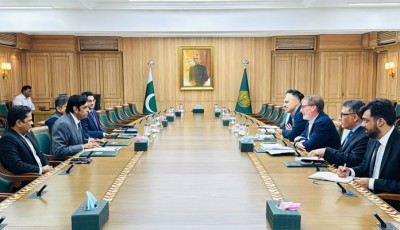

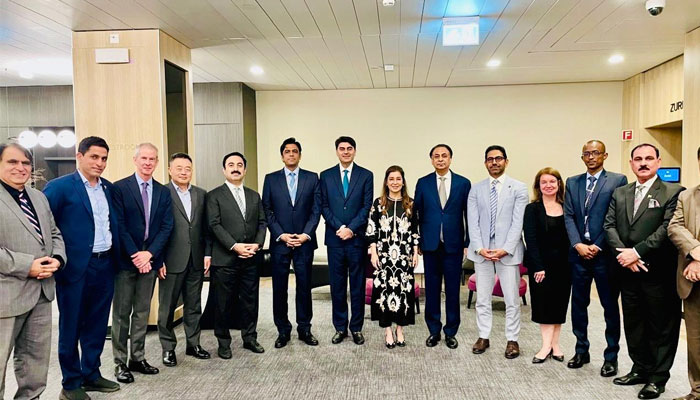
ISLAMABAD: A high-level government delegation from Pakistan has reaffirmed the country’s strong commitment to eradicating polio during a meeting with the Independent Monitoring Board (IMB) of the Global Polio Eradication Initiative (GPEI) in Geneva this week. The meeting, held from July 14 to 17, reviewed global progress in combating polio, with a focus on the two remaining endemic countries — Pakistan and Afghanistan.
The Pakistani delegation included State Minister for Health Dr. Malik Mukhtar Ahmad Bharath, Prime Minister’s Focal Person for Polio Eradication Ms. Ayesha Raza Farooq, Chief Secretaries of Sindh, Punjab, and Khyber Pakhtunkhwa, the Additional Chief Secretary of Balochistan, and the National Coordinator of the Emergency Operations Centre for Polio Eradication.
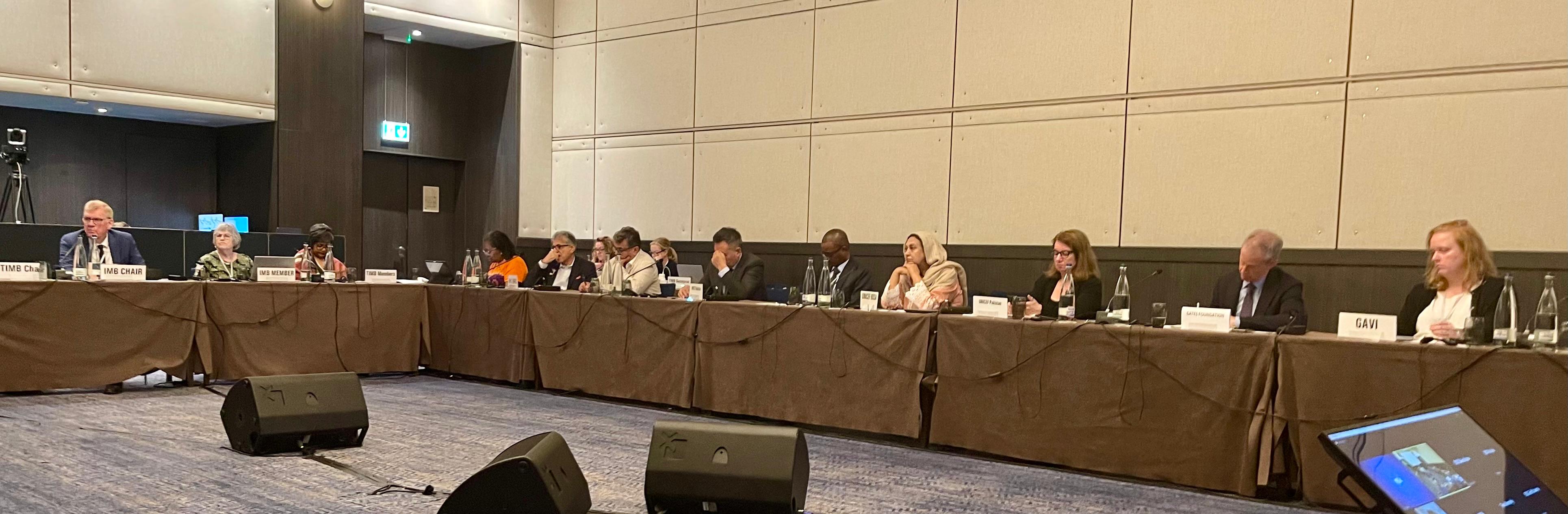
In his address to the IMB, State Minister Dr. Bharath reiterated that polio eradication remains a national priority under the leadership of the Prime Minister. “Despite multiple challenges, we have revitalized a whole-of-government approach and maintained strong supervision, accountability, and community engagement to counter the resurgence of polio,” he said.
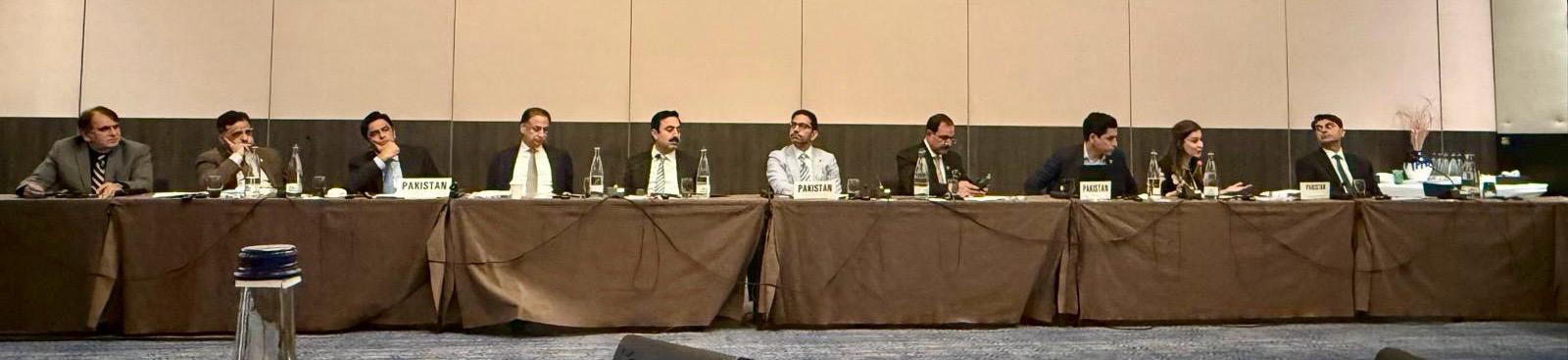
He also acknowledged the crucial role of provincial governments, AJK, and GB in achieving results on the ground and reaffirmed the federal health ministry’s full support to address remaining challenges, including strengthening essential immunization coverage.
Ms. Ayesha Raza Farooq provided an overview of Pakistan’s National Emergency Action Plan (NEAP) 2024–25, noting that enhanced coordination, targeted district-level strategies, and strong surveillance systems have improved the quality of campaigns and reduced missed children.
“No cases this year from Karachi, Quetta, and Peshawar blocks indicate that our intensive, high-quality campaigns are working,” she stated. “However, persistent virus detections in sewage highlight the urgent need to reach every last child.”
She particularly emphasized the challenges in southern Khyber Pakhtunkhwa, citing security risks, vaccine hesitancy, and high population mobility. Efforts in the region involve collaboration with law enforcement, local communities, and health programs to expand outreach and build trust.
“Pakistan has demonstrated its ability to overcome the virus before, and with unwavering government ownership, political will, and community-driven action, I am confident we can defeat polio once and for all,” Ms. Farooq added.
The IMB commended Pakistan’s high-level political commitment and strategic focus. A detailed report, including recommendations, will be released by the Board following the conclusion of the meeting.
The IMB is an independent body of global health experts that monitors and advises the GPEI. Its annual review meetings serve as a platform for rigorous evaluation of progress and strategy in the fight to end polio globally.